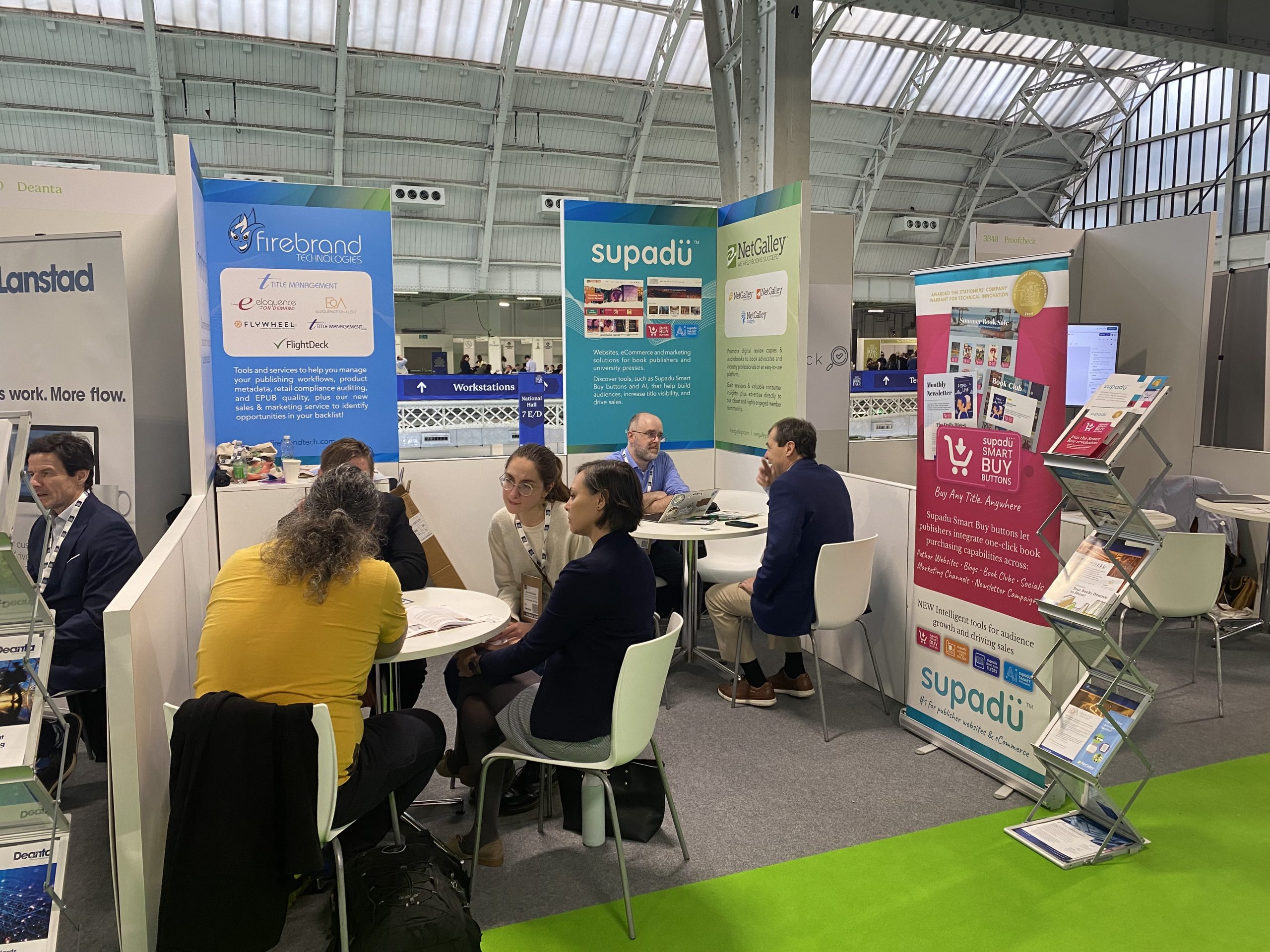
Each year the Independent Book Publishers Association (IBPA) brings together its robust membership to share knowledge and resources, discuss challenges and opportunities facing indie publishers and authors, and network with like-minded professionals. This year we met in Denver, Colorado, and even a surprise snowstorm did nothing to dampen the excitement in the room!
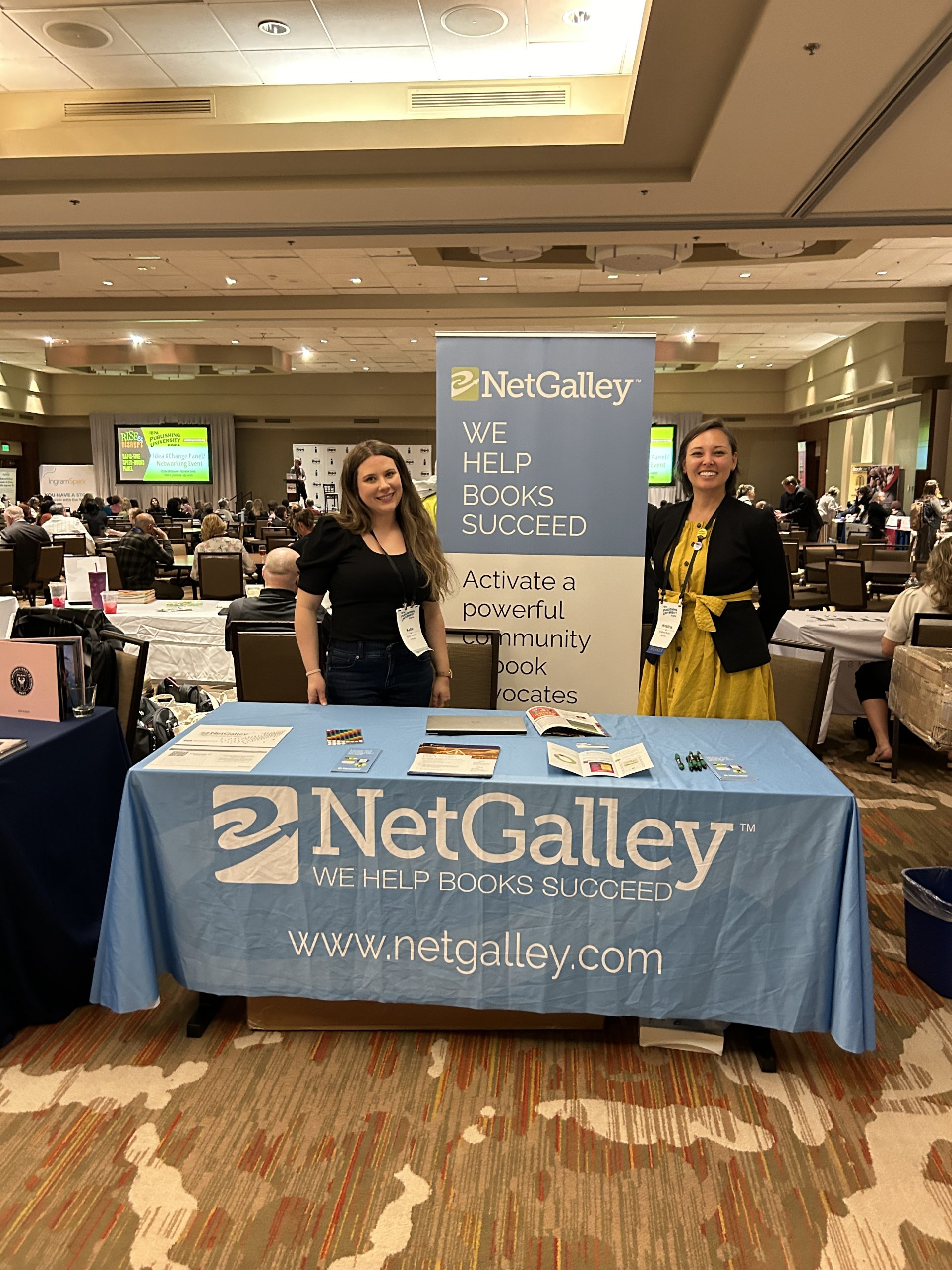
The theme of this year’s event, “Rise and Disrupt,” resonated deeply with attendees grappling with the challenges posed by consolidation in the industry, slowing sales, inflation, the rise of new AI technologies, and more. This is an event that does not shy away from the tough questions and conversations, and yet the energy is always inherently positive. This year was no different. The conference centered around the idea that innovation is inherently disruptive, energizing participants while also sparking discussions about the state of the industry.
Saturday’s keynote, “Rise and Disrupt,” featured Oriana Leckert (Kickstarter), Joe Biel (Microcosm Publishing), Dhonielle Clayton (Cake Literary & Electric Postcard Entertainment), and Brooke Warner (She Writes Press & SparkPress). Much was said about the benefits of hybrid publishing, which does not rely on the publisher to fund advances.
Leckert shared many examples of Kickstarter campaigns (and not just the ones we all know about), focusing on what makes a good campaign: a strong project image, a compelling personal video, appealing and creative rewards at different price levels. For instance, we heard about an author who offered to kill off a character named after the fan if they supported the project for $666… or to kill them AND bring them back for $777. Additionally, Leckert emphasized that it’s always better to get the money up front to pay for things like marketing, book design, and more. She told the audience about another author who wanted pink-gilded edges on her romance novel, and found a backer who would fund it!
Dhonielle Clayton from Cake Creative discussed using her own intellectual property (IP) to fill in gaps in the industry that she sees, related to diverse story-telling. She uses her experience and knowledge to bring fully formed ideas to life by connecting with authors who will write the books based on her IP, and then sell it to publishers using data to back up that there’s an audience clamoring for it.
Joe Biel from Microcosm Publishing inspired attendees when Brooke Warner pointed out that he’s one of the only publishers she knows who has completely stopped selling books on Amazon. Biel was matter-of-fact when he expressed that this was not a moral stance, but a financial one—he had looked at what it cost to sell via Amazon, and decided to instead put that money toward their own sales and marketing efforts, with great success.
Another standout panel, “AI (Artificial Intelligence): How to Use It, and What IBPA Should Be Doing About It” highlighted the dual nature of AI as both a tool for efficiency and a potential disruptor in the industry. Thad McIlroy (The Future of Publishing) delivered a cautiously optimistic presentation, highlighting the foundational aspects of AI and emphasizing the importance of understanding its potential dangers. Torrey Sharp from Faceout Studio offered valuable insights into strategic AI utilization, emphasizing the need to define clear guidelines for its implementation within businesses. Faceout Studio’s approach, utilizing AI to analyze book content and create AI-generated mood boards, but not final book cover designs (they leave that to the humans) highlighted how AI technology and human creativity can co-exist.
Dave Davis of Calliope Networks provided a unique perspective, highlighting the potential for publishers to monetize their content by licensing it to LLMs (large language models), citing Wiley’s successful $23M content licensing deal. Overall, the consensus among panelists emphasized the need for oversight and careful integration of AI into publishing workflows.
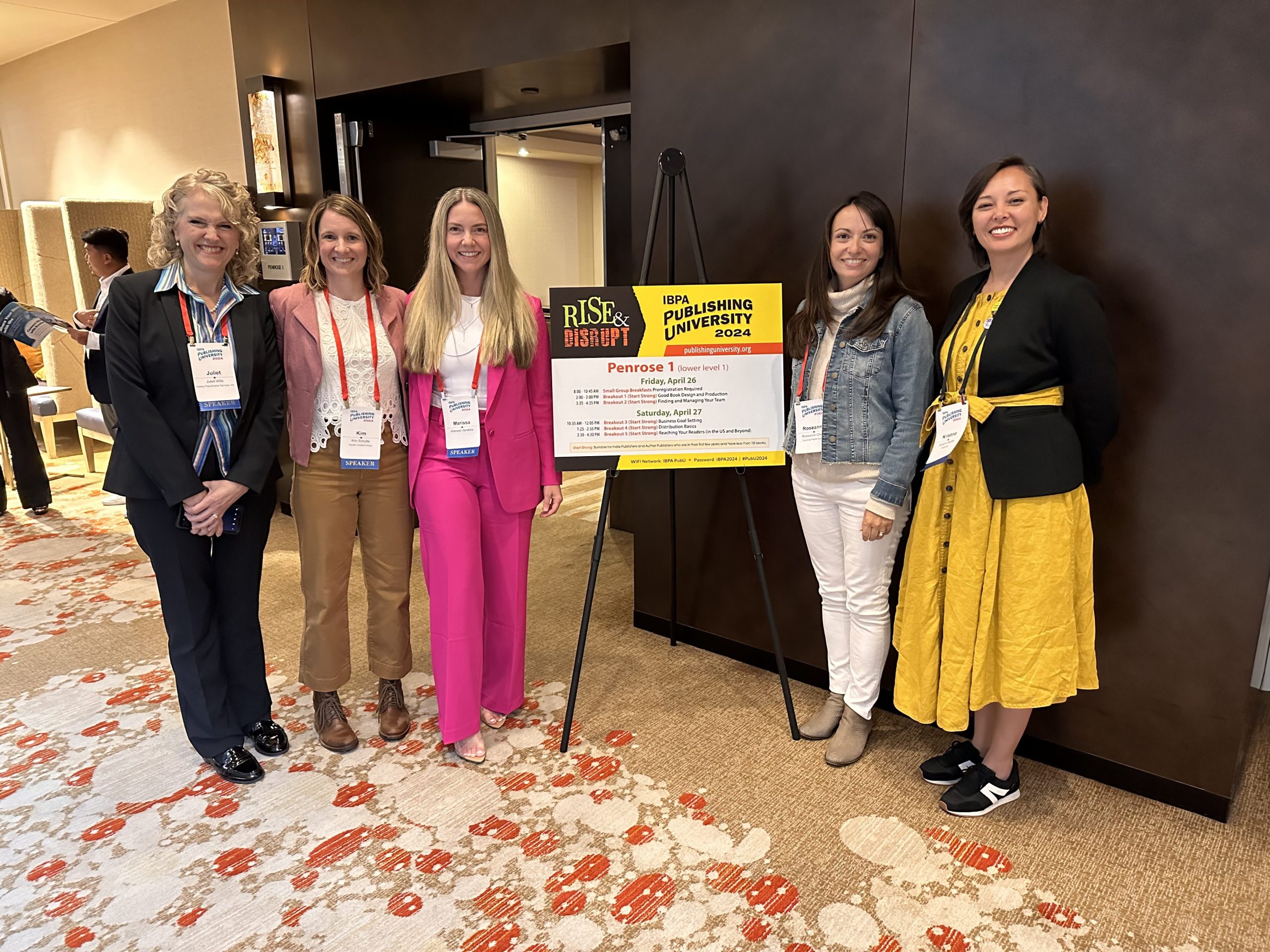
The “Reach Your Readers” panel, moderated by Kristina Radke (VP, Business Growth & Engagement at NetGalley, far right), addressed foundational questions for emerging publishers and authors. From the importance of early reviews to leveraging international rights, the panel offered diverse perspectives on connecting with readers from (l. to r.) Juliet Wills (VP Global Sales and Rights, Galaxy Press), Kim Schutte (Director of Consumer Marketing, Ingram Content Group), thriller author Marissa Vanskike, and Roseanne Cheng (Director of Business Development, DropCap Rights Agency).
IBPA Publishing University continues to honor the spirit of resilience and adaptability within the independent publishing community by hosting programs that are both informational and actionable, and creating a community that is open to learning, collaboration, and collective growth.
NetGalley is proud to partner with the IBPA and support independent publishers. Learn more about the NetGalley Member Benefits for IBPA members!
Read more of our 2024 conference wrap ups:
- Part 1: ABA Winter Institute
- Part 2: Audio Publishers Association Conference
- Part 3: London Book Fair