Six Things We Learned at the IPG Autumn Conference


The IPG Autumn Conference took place on 10th September at the Shaw Theatre, and once again proved to be an instructive, engaging and expansive look at the challenges and opportunities for all Independent publishers. But for the 300 attendees, one subject seemed to dominate: AI. Not one session seemed to go by without it being mentioned – but it is how it was mentioned that was most striking. Here’s what we learned from the day:

1. Indies are using AI more than ever… 

According to a recent IPG survey,  AI adoption among independent publishers reached 76% in 2026, up from 42% in 2023. In their session Jamie Hodder Williams of Bedford Square Publishers, Kate Parkin of Firefinch Publishing and Will Atkinson of Wilton Square and Eye Books said that AI had now become part of their administrative workflow. However, they were very, very clear that they would not use AI for generating creative work.

2. … and indies could become the driver of AI adoption in publishing.

In her session, AI in Independent Publishing, Dr Miriam Johnson of Oxford Brookes University suggested that the AI debate has changed from “Can We?” to “Should We?”.  This seemed particularly apposite in the Soundings from Audio talk.

In it, Matt Sweet from ElevenLabs played an AI generated version of The Odyssey, narrated by an authorised AI version of Michael Caine. He also explained that only 5% of ebooks have a corresponding audiobook, and that an AI generated audiobook can be produced for around $50 per hour of play, rather than $500 per hour for a traditional production.

With audio still booming, and still finding new listeners, it’s no surprise that AI generated audiobooks look so attractive to publishers looking for additional sales. This was also borne out by the fact that the number of AI audiobooks released increased by 90k YOY in 2026, but generated very small revenues of around $600k. 

The question for Indies is therefore“Should We?” and if the answer is yes, and consumers agree, it might change the landscape of audiobook publishing.

3. It’s the Stupid Economy, stupid.

In her opening keynote, BBC Chief Economics Correspondent Dharshini David painted a dark, depressing picture of the UK economy. The first slide said that had we kept the pace of pre-2007 growth, UK workers would be around £10k per year better off; instead, we are effectively worse off than before. Brexit disproportionately affected Small Medium & Enterprise (SME) businesses – a bracket into which most IPG publishers fit – while inflation has hit books harder because people’s expectations of what a book costs have not much shifted in the last decade.

These are far from the only factors at play. Weak wage growth, chronic underinvestment, skills mismatch and rising welfare costs have played havoc with Britain’s ability to compete on a world stage. It means that publishers are being squeezed from all angles, even from the kinds of people who might buy their products. Higher education trends that favour high-return degrees over performing arts and languages, means the publishing industry faces a new generation of readers who perhaps no longer read for pleasure.

4. Direct-to-Consumer works – you just need to work out how to do it for you…

Jeremy Weill, Founder and CEO of Colour Your Streets, talked through setting up his company from his kitchen to turning it into a multi-million dollar business through D2C sales. His approach of capturing data on customers first, funneling them through a set process of engagement, and also upselling at all times was impressive.

Jeremy spoke engagingly about experimenting with different spaces – Facebook, Instagram etc – as well as his experiment with TV advertising. As traditional television viewing has declined, advertising on it has become more affordable. Jeremy sees this as an effective way to reach new audiences, but their core marketing remains online.

5… and how it works now!

With direct-to-consumer routes expanding, and retail algorithms shifting, traditional search optimization is just not enough. Discussions emphasized that publishers must improve and rigorously own their metadata – particularly output-shaping metadata like targeted audience definitions and citations – to ensure titles remain visible across evolving AI search platforms and online booksellers. It’s a subject we have looked at before, and you can find our guide to GEO (Generative Engine Optimization) and AEO (Answer Engine Optimization) here.

6. It’s not all Doom and AI!

At the keynote address at the top of the day, IPG President Oliver Gadsby said that the members of the IPG contributed over £2 billion to the UK economy, and are still making great books. 

In her closing address, Susie Dent – lexicographer turned crime novelist – said that we all needed to remember that while systems, algorithms, and business models evolve, the publisher’s essential purpose remains rooted in human storytelling, craftsmanship, and the celebration of language.She also introduced us to a most delightful word: vellichor, which describes the must and smell of second-hand bookshops. 

The mood was thoughtful and reflective, but it will be interesting to see what developments have been made via AI when we come to the IPG Spring Conference in 2027.

Divider

ALA Annual Conference 2026 Wrap Up

Key Takeaways for Publisher Strategy and Community Engagement

The American Library Association (ALA) Annual Conference remains a cornerstone event for the publishing ecosystem. Drawing nearly 15,000 total attendees this year, the show floor provided a vital barometer for current library needs and emerging digital discovery trends.

For the NetGalley team, our time in the exhibit hall offered direct, face-to-face feedback from a cross-section of library professionals, ranging from academic researchers to school and public library directors.

“Connecting with the library community at ALA Annual is always a highlight, but this year felt especially critical,” says Tarah Theoret, Vice President of Community Growth & Engagement at NetGalley. “Librarians are navigating tighter budgets and shifting industry dynamics, and they need reliable digital tools to work efficiently. Our goal is to ensure NetGalley remains the trusted ecosystem supporting their daily workflows and connecting their local communities with books.”

Looking back at those conversations, a few clear trends stand out that can help publishers shape their marketing and galley strategies for the year ahead.

1. Digital Galleys are Essential for Budget-Strapped Libraries

As shifts in the industry make physical advance review copies (ARCs) more exclusive or difficult to obtain, library workers are increasingly relying on digital review copies (DRCs) to sustain their pipelines. Librarians emphasized that NetGalley has evolved from a supplemental discovery platform into an essential tool for collection development and fiscally responsible purchasing decisions.

“…I use [my NetGalley account] as a resource for purchasing printed materials… My community is well-read; therefore, I discuss with my Cataloguer and Acquisitions Manager at length the materials we purchase on a limited budget.”

— Shelia Harris, Director, Enterprise Public Library

The Publisher Takeaway: Ensuring your upcoming titles are listed on NetGalley well ahead of publication doesn’t just drive consumer buzz—it directly influences institutional purchasing behaviors during crucial budget cycles, and allows you to easily pitch for industry reviews in outlets like School Library Journal.

2. Bridging the Gap Between Professional Discovery and Patron Engagement

One of the most enthusiastic responses at our booth centered on resources that extend beyond individual professionals to their wider communities. Librarians immediately noted that specialized assets like NetGalley’s Book Club Kits are natural fits for their local programming.

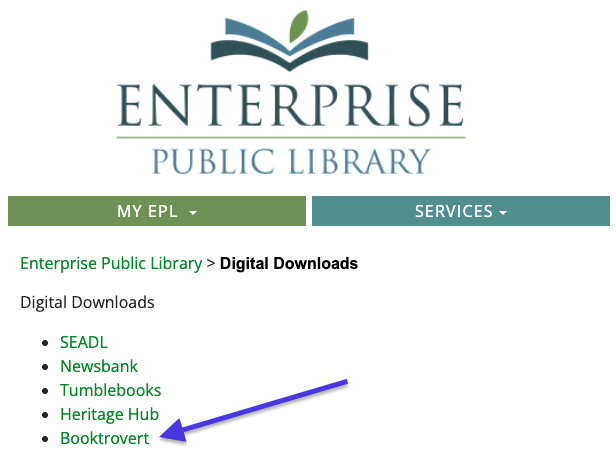
Furthermore, librarians were thrilled that they could share Booktrovert.com, our reader-facing platform, with their patrons to combat summer reading slumps via daily literary games and ebook giveaways. In fact, some institutions have already integrated Booktrovert directly onto their public-facing websites to expand patron discovery options.

3. Driving Professional Workflows and Industry Recognition

Conversations on the floor highlighted just how deeply integrated NetGalley remains within influential, high-level library workflows. We connected with power-users from major institutions, including program specialists at the Library of Congress who noted widespread internal reliance on the platform, and academic reference librarians who utilize NetGalley to evaluate titles for major industry distinctions, such as the LibraryReads list, the Newbery Awards, and the newly formed ALA Outstanding Comics Awards.

School librarians also detailed how they rely heavily on NetGalley to coordinate and fuel curriculum-based book spotlights across entire school districts. This level of engagement reinforces NetGalley’s position as a foundational workflow hub for the gatekeepers, award committees, and tastemakers of the library world.

Looking Ahead

The library market remains a powerful, driving catalyst for organic book discovery, high-stakes industry recognition, and long-term institutional sales. The insights gathered from our time at ALA Annual reinforce that when publishers make their titles accessible to library professionals, they are positioning their books directly in front of the industry’s most influential tastemakers.

Moving forward, NetGalley and Booktrovert will continue to leverage these insights to optimize how we support both sides of the aisle. For our publisher clients, this means continuing to refine account verification workflows (such as validating professional ALA ID credentials) to ensure your digital review copies are consistently reaching verified library buyers and committee voters. For the broader reading community, we are excited to expand our consumer engagement strategies, making it easier than ever for libraries to seamlessly connect their patrons with the books they love.

Thank you to everyone who visited us in the booth. We are already looking forward to expanding our presence, deepening our vital industry collaborations, and bringing even more impactful engagement to ALA Annual 2027!

Tarah Theoret, Sidney Thompson, and Darcy Piedmonte at ALA Annual, 2026

Divider

2026 U.S. Book Show Recap

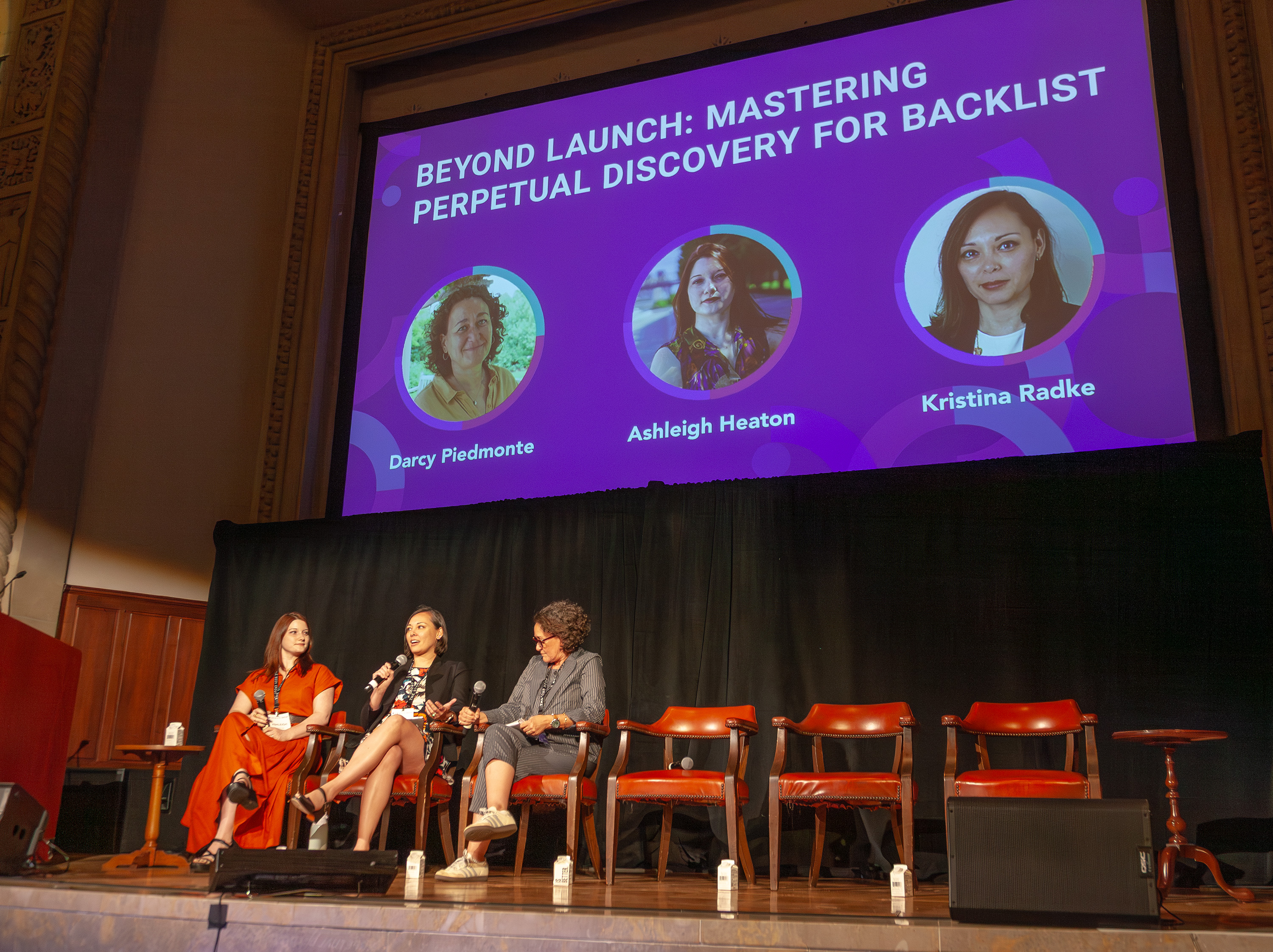
NetGalley + Enchantress Marketing: Mastering Perpetual Discovery for Backlist

Last week we had the pleasure of sponsoring the U.S. Book Show, where we attended many excellent panels focused on how data, modern discoverability, and emerging technologies are shifting the landscape and addressing industry-wide challenges. Topics ranged from shaping trends by leveraging data for strategic acquisitions to reacting to trends using social listening tools and surfacing backlist, and, of course, experimenting with AI to streamline workflows. It was within this context that we took the stage with our session: “Beyond Launch: Mastering Perpetual Discovery for Backlist.” 

Moderated by Darcy Piedmonte (Director, NetGalley + Booktrovert), and including Kristina Radke (SVP, NetGalley + Booktrovert) and Ashleigh Heaton (Founder, Enchantress Marketing), we focused in on ideas for how to maintain sales velocity once the initial launch budget is spent. Here are a few highlights and takeaways from our conversation:

Photo: Enchantress Marketing

1. Marketing is Applied Human Psychology 

Ashleigh said it beautifully, “Marketing is applied human psychology. It is both an art and a science.” As with all science, robust data is essential. Marketers often rely on intuition and emotional connection with a project to fuel campaign decisions, which should always be the throughline of that work. And rich audience data can confirm intuitions or point out potential internalized bias or assumptions.

To get at the data, social listening tools can help publishers identify social media influencers, understand the online conversation for a brand or book, highlight top-performing platforms/accounts, and offer a big-picture summary of an audience or trend. Ashleigh specifically mentioned Brandwatch or Meltwater for deep consumer insights. And other social scheduling tools that also offer social monitoring for your owned channels: Sprout, Metricool, Hootsuite.

2. Reviews as the Cornerstone

Overlapping with social listening, Ashleigh recommended digging into consumer reviews to understand consumer sentiment. These reviews are dynamic data that help publishers identify common themes, keywords, descriptors, tropes, tags, and comps. Kristina reinforced the idea that publishers should leverage data from reviews to ensure the best positioning for backlist titles. For instance, ensuring that a trending trope is explicitly mentioned in the book description, or adding new words, like “romantasy”, to your metadata. That is the type of information that may not have been relevant 10 years ago, but will ensure better discoverability today.

Sentiment has always been among the most important things that marketers need to understand about their readers, and now it also matters for online search and discovery. Sentiment signals are one way that AI search models (like the “AI Overview” in your Google search, now powered by Gemini) understand how to answer a particular question that readers ask. These AI models synthesize information from online sources, including book reviews, to learn how to talk about your book. Reviews give these tools a more nuanced understanding of which books to mention when someone asks for a “standalone romantasy book”, for instance.

3. Leveraging All Your Data

There were many sessions about AI throughout the conference, and Kristina called forth a number of points made in other sessions related to context, clarity, and intent (Cameron Lennon’s session on GEO) and the opportunity to use data across all parts of the publishing workflow to create “superdiscoverability” (Brooke Dobson & Keith Riegert’s lunchtime session). 

Kristina emphasized that AI now makes it possible to surface backlist in a more nuanced way than before. Where publishers once relied on institutional knowledge and keywords to search for backlist books that might match a hot trend, now they can connect data across title management, social listening, and consumer analytics tools to prompt a more specific search: “Look at books published 5 or more years ago, identify the top 10 titles to be included in a Pride Month marketing campaign, filter based on LGBTQ+ main characters and openly LGBTQ authors, with high lifetime sales that have slowed in the last 12 months, and focus on currently-trending themes like queer joy or found family.” 

This relies on publishers doing the work to connect these databases (ask your technologists about “Model Context Protocol”), and to fully understand what types of robust searches they want to do. Kristina encouraged managers to ask team members to deliver specific questions like the example above to share with technologists as an example of what they want to achieve.

In Conclusion

What this all points to is a future where data supercharges marketers’ intuition. By treating reviews as dynamic data and utilizing advanced search, publishers can move past the initial launch hype and establish an ongoing ROI for the true backbone of their business: the backlist.  The conversations we had both on and off the stage reminded us that while technology continues to change rapidly, our core mission as an industry – helping readers find the most relevant books for them, whether newly launched or deep in the backlist – remains the same. Beyond the excellent programming, the U.S. Book Show remains one of the best places to meet our clients and partners who share this dedication to driving discoverability. 

Want to dive deeper? Check out NetGalley’s article: Discoverability in the age of AI.

Divider

IBPA Publishing University Wrap-Up 2026

The NetGalley team recently returned from an energising weekend in Portland, Oregon, where we attended the Independent Book Publishers Association’s 2026 Publishing University, along with over 400 indie publishers and exhibitors. We came back with full notebooks, new connections, and a whole lot to think about!


Getting the Conversation Started

We kicked things off at the pre-event Think Tank, which set a great tone for the days ahead. The format was simple but effective: questions were posed to a rotating cast of industry voices, including Victoria Sutherland of Forward Books, Brad Farmer of Gibbs-Smith, and Matthew Mansfield of Nielsen IQ Book Data. Those same questions were then turned loose on the room to encourage conversation and peer learning. It broke through the typical conference stiffness fast, and by the time breakout groups formed, people were already mid-conversation.

Marketing Insights Worth Bookmarking

Two Sales and Marketing breakout sessions during the Think Tank discussed a wide array of challenges and solutions. The biggest takeaway is that indie publishers are nimble. They know how to market and sell to niche, hyper-focused communities and reach broader audiences. A few highlights: podcasts are most effective when longer episodes are broken into shorter, promotable segments; Threads is the social platform to pay attention to right now; and the group had a frank conversation about galley ethics, touching on both the environmental cost of print galleys and the growing problem of galleys being resold online.

Notes from the NetGalley Booth

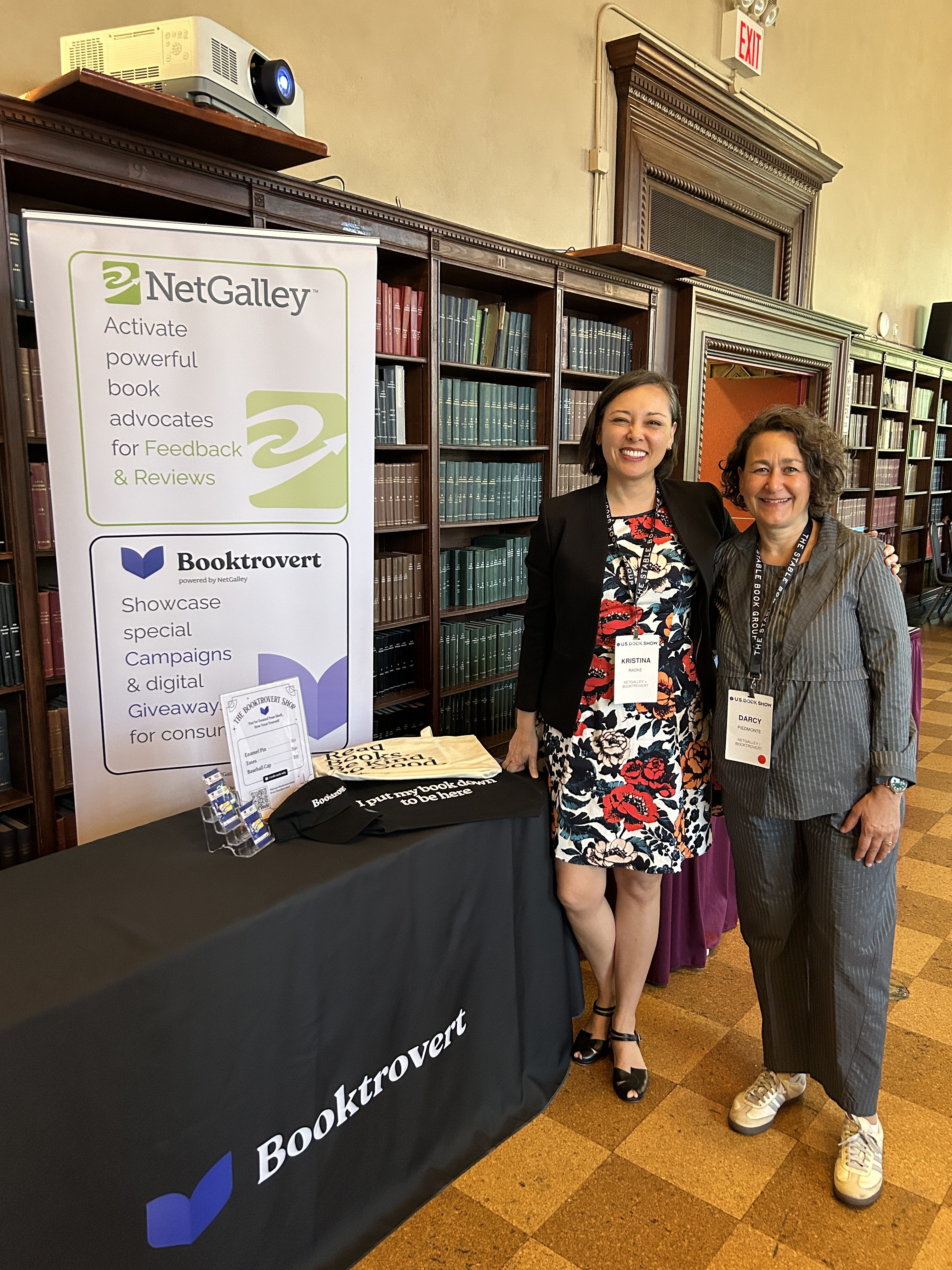
Day 2 of the event reminded us of one of the best parts of in-person industry events: spontaneous conversations. In fact, our team was so busy connecting with attendees at the NetGalley and Booktrovert booth that we missed the morning welcome and keynote entirely (but we loved Publishers Weekly’s recap here). There’s no better problem to have than too many good conversations! Throughout the conference, we loved meeting publishers, authors, and publishing students face-to-face and hearing about the creative ways they’re building buzz for their books. 

From SEO to GEO

On Day 2, we attended a breakout by Sarah Bean of Booklaunchers titled A Post-Funnel Approach to Book Marketing, a session that dovetailed nicely with our own panel at this year’s London Book Fair on metadata, search engine optimization, and generative engine optimization. Sarah made a compelling case that AI has fundamentally changed how readers discover books, but that traditional marketing tactics (like press releases — a forgotten relic for many in the room!) still work, with some tweaks. She outlined how traditional SEO aims to land an author or publisher’s website on the first page of a Google search, and pull readers into their sales funnel. GEO shifts the goal entirely: instead of capturing clicks, the aim is for a book or author to become the trusted source that AI tools surface and cite directly. It’s a meaningful evolution in thinking, and one the industry is only beginning to grapple with.

Tapping Into Fandom

Day 3’s keynote zeroed in on the booming comic, graphic novel, and manga markets, and the fierce, devoted communities driving them. Creator Matt Braley and a panel including representatives from Tokyopop, Mad Cave, and Dark Horse Comics hammered home that fandom isn’t just an audience, it’s a responsibility. Every element of a graphic narrative, all the way down to the spine art, is simultaneously a commercial product and a work of art, and publishers have to honor both.

For indie publishers eyeing this space, the panel boiled it down to four honest questions: Do you have secure IP access? Can you commit to a long-running series? Do you know how to reach highly connected fan communities? And can your cash flow sustain the longer road to ROI?

Until Next Year, In Baltimore! 👋

Publishing University was, as always, a reminder of how much energy and creativity this industry runs on. We loved every conversation we had at our booth, in the breakout rooms, and in the hallways in between. See you next year!

Divider

From the NetGalley Community: Ethics, Algorithms, and Advocacy


Each year, the NetGalley Community Survey offers insights into how reviewers, librarians, booksellers, media, educators, and industry professionals are engaging with books—and what they need from the publishing industry.

We’ve been conducting a community survey since 2018 and, while we’ve seen some changes over time, one thing remains consistent: readers are passionate. They are literacy advocates, professional book recommenders, and truly committed to spreading buzz about books they love!

Every survey also brings new confirmation, and sometimes surprises, about what our members want as book professionals. Last year, 2025 feedback centered mostly on personal challenges, like finding more time to read. This year’s 2026 survey results reflect a shift to a more external focus. Members are looking beyond their own reading habits, instead calling attention to broader industry issues. They’re advocating for ethics, access, and improvement to systems that shape how books are created and discovered.

Here are four important themes emerging from this year’s data, collected from nearly 12,000 respondents: 

NetGalley is a human-centered website that depends on technology to allow our members and publishers to connect and share content. Transparency about use of AI, from both publishers and reviewers, is an important part of this relationship.
  1. AI Transparency

The most dramatic shift in our 2026 survey results is members’ escalation of concern related to AI transparency. We first saw a reaction to AI in 2025 when stories of stolen literature to train LLMs first hit the news cycle, leading to the landmark Bartz v. Anthropic settlement involving the use of pirated book content. Now, survey respondents are almost universally calling for 100% transparency of AI usage, including jacket covers, book text, and audiobook narration.

While most understand a complete ban is nearly impossible in any workplace, respondents are  asking for absolute transparency and acknowledgement when AI is used in any part of the book-making process, including editing and marketing. At the forefront of those concerns is the protection of human talent.

  1. Algorithm Fatigue

NetGalley members also expressed burnout with algorithm-driven discovery. They reported frustration with what they perceive as limitations to organic discovery, particularly on mainstream platforms. While Instagram and Goodreads remain widely used by NetGalley members, many survey respondents told us they’re leaning toward smaller, book-focused spaces, where recommendations feel more intentional, human, and less driven by trends.

Readers are also pushing back against what they see as “TikTokification”: an environment where visibility is driven by popular buzzwords used for views rather than fit. A major point of friction is mismarketing, especially the overuse of popular tropes or genre labels that don’t accurately reflect a book’s content (e.g., labeling every fantasy “Romantasy”, even when romance has a minor subplot). This is an evolution of an historic frustration with mismatched “comp” titles. 

  1. Readers Hold Tight to their Values

One thing that hasn’t changed year over year: Intellectual freedom and censorship is a primary professional challenge cited by Librarians and Educators. These groups continue to fight a rising tide of book bans, and readers looking to support these efforts can find resources and action steps though Unite Against Book Bans, created by the American Library Association.

Rising book prices was also a repeated concern. Librarians point to digital licensing models as unsustainable with high costs and long wait times for patrons. However, some publishers have begun to address price sensitivity. According to the 2026 Readers First Publisher Price Watch, “the annualized average library eBook price increase is flat over the last four years,” (if you ignore one Big 5 publisher). Readers and institutions want to keep up and support the industry they love, but hope that publishers continue to address price sensitivity.

Our survey respondents also expressed support for midlist, debut, and independent authors, who may not have access to major marketing backing or budgets.

  1. Readers Want Half Stars!

Even as readers raise bigger questions about the publishing industry, their day-to-day habits remain consistent: most are still reading daily, still tracking their progress, and still wishing—above all else—for DNF and half-star ratings across the various platforms they use. 

At NetGalley, we’ve long supported this through our “Will Not Give Feedback” option, which is our version of a DNF that allows members to provide professional context for why they didn’t finish a book and are unable to provide constructive feedback. 

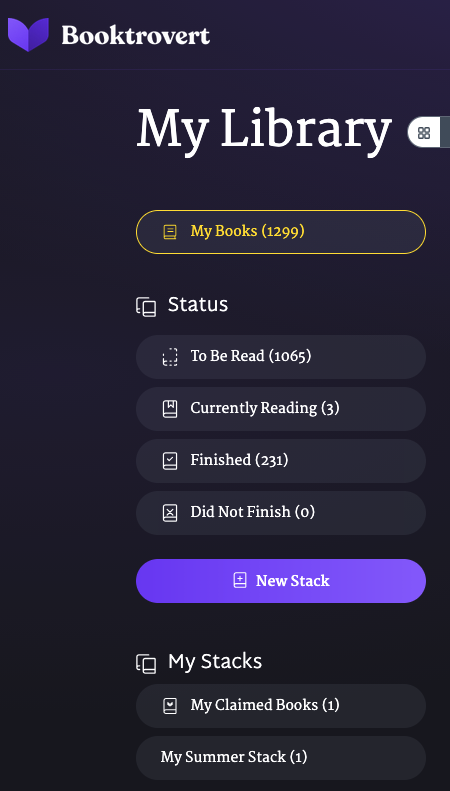
Plus, as we designed Booktrovert—our consumer marketing platform—we made sure to include built-in reading tracking tools. And because we know an evaluation of a book is often more detailed than a standard five-star scale, we recently introduced the option to rate books by half (and even quarter) stars on Booktrovert—which perfectly compliments the customizable “Stacks,” complete with sortable columns, filters, and DNF status options. 

Read on for other ways we’re addressing our members’ feedback!

How We’re Responding

  1. AI Transparency: Members can indicate if they suspect a book is AI-generated as part of the “Will Not Give Feedback” option and, likewise, publishers can flag reviews where they suspect the same. As publishers continue to incorporate AI tools in parts of the book-making process, this year’s NetGalley survey results point to a community who will reward deliberate communication and prioritization of human creativity.
  2. Algorithm Fatigue: On NetGalley, members have the option to choose their favorite categories and publishers, and there are plenty of opportunities to see “new to you” books, including our “Recently Added” page—which is one of the most browsed of any page on NetGalley! Plus, on Booktrovert, readers discover new books while playing bookish games, completing reading bingo challenges, and via giveaways, sweepstakes, and special deals. Booktrovert does not use algorithms to interrupt readers’ feeds. The community is an opt-in experience where discovery is the reward, not a side-effect of scrolling.
  3. A Value-Based Industry: NetGalley is proud to help bridge the gap between marketing budgets, giving independent voices side-by-side visibility with Big 5 publishers in our catalog, and access to promotions designed for any budget, goal, and type of book. Plus, with the introduction of Booktrovert, any publisher or author can extend their reach with direct-to-consumer marketing as well.

We are so grateful to our robust, active community for their incredible feedback—not just about the books they’re reading, but about their hopes for the industry as well—and that we can pass along their message. These nearly 12,000 survey respondents are aligned with our vision: a world where the publishing community is empowered through technology to contribute to cultures of belonging and inclusion through content that connects and carries us forward. We believe that intelligent technology paired with human expertise is the key to increased accessibility, sales, and efficiency, igniting publisher success and bettering lives.

More 2026 Community Highlights:

Divider

NetGalley Community Spotlight: Audiobooks

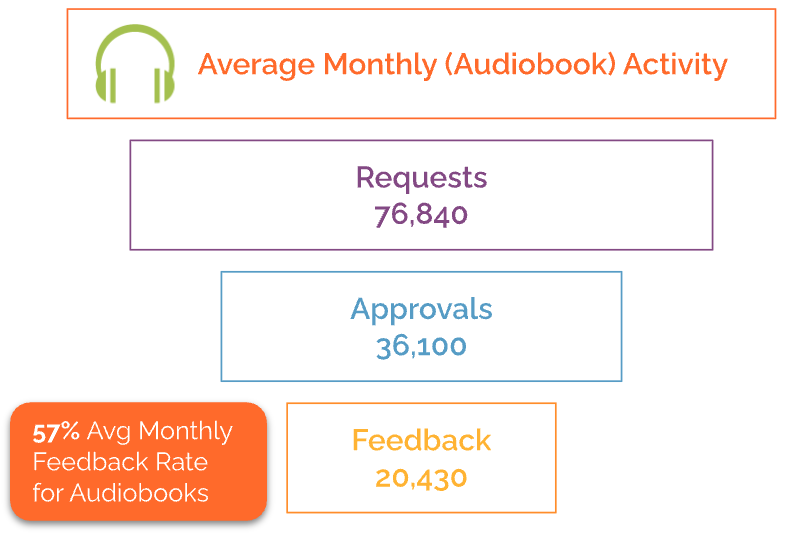
In our 2026 Community Update, we shared that over 304,000 NetGalley members are interested in audiobooks. Plus, those members are submitting over 20,000 reviews on average each month! We love a deep-dive, so here’s even more information about these audiobook lovers.

📈 Audiobook Engagement at a Glance (Updated for 2026)

Recent site data and survey results highlight the continued surge in audiobook interest. Over the past year (Feb 1, 2025 – Jan 31, 2026), we’ve seen:

  • Member Interest: Over 304,000 NetGalley members (a 25% increase over last year) have expressed interest in the audio format as of January 2026.
  • Monthly Feedback: Approved members submitted approximately 20,430 reviews and feedback for audiobooks on average each month, growth of about 45%.
  • Feedback Rate: There is a whopping 57% average monthly feedback rate for audiobooks.
  • UK Growth: In the UK specifically, there are over 32,000 members interested in audio, with a 68% feedback rate for the format.
Average monthly numbers from February 2025 – January 2026 on NetGalley.com

💡 New Insights from the 2026 Community Update

The 2026 survey revealed deeper trends among our “Avid Listeners”. Nearly 12,000 respondents told us:

  • Daily Habits: Among members who listen to audiobooks, 45% listen daily, and 75% listen at least weekly.
  • Discovery Platforms: NetGalley (56%) is the top source for members to hear about new audiobooks, followed by Libby (55%), Goodreads (51%), and Instagram (50%).
  • Narrator Influence: Narrators remain a powerful draw—62% of listeners have selected an audiobook solely because of the narrator.
  • Multitasking Appeal: Among NetGalley members, the primary reason for choosing audio is the ability to multitask (80%), followed by the ability to listen while traveling (73%).
  • Opportunity for Discoverability: Members told us that they wish there were more audiobooks to choose from. They’re hoping audiobook publishers will add even more titles, particularly in niche genres!
  • AI Transparency: This year, NetGalley’s audiobook listeners have expressed a fierce demand for transparency regarding AI. 77% of members say it is “Extremely Important” to know if content (covers, voices, or text) is AI-generated.

Members told us that they wish there were more audiobooks to choose from. They’re hoping audiobook publishers will add even more titles, particularly in niche genres!

📣 Expanded Promotional Opportunities

Audiobook reach has expanded in 2026 to help your titles stand out:

  • Audiobook Newsletter: Our audio-dedicated newsletters now reach over 176,000 listeners (as of March 2026). Space is limited in the upcoming Audiobook Month newsletter (June 8), so secure your spot now to tap into this powerful community!
  • Participate in any Promotion: Audiobooks aren’t limited to format-specific promotions! You can submit your audiobooks to any NetGalley promotion, including category- or member type-based newsletters, on-site features, banner ads, and more!
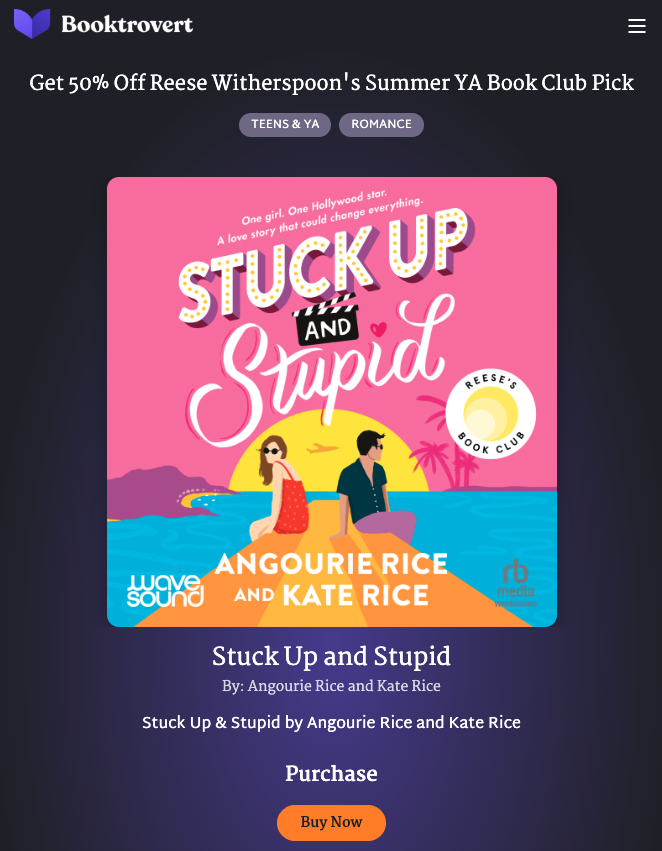
  • Booktrovert: Since its successful launch, Booktrovert.com now has nearly 57,000 registered users. Audiobook publishers can run pre-order or buy now retail ad campaigns. It’s a great place to offer special pricing deals, or bundles.

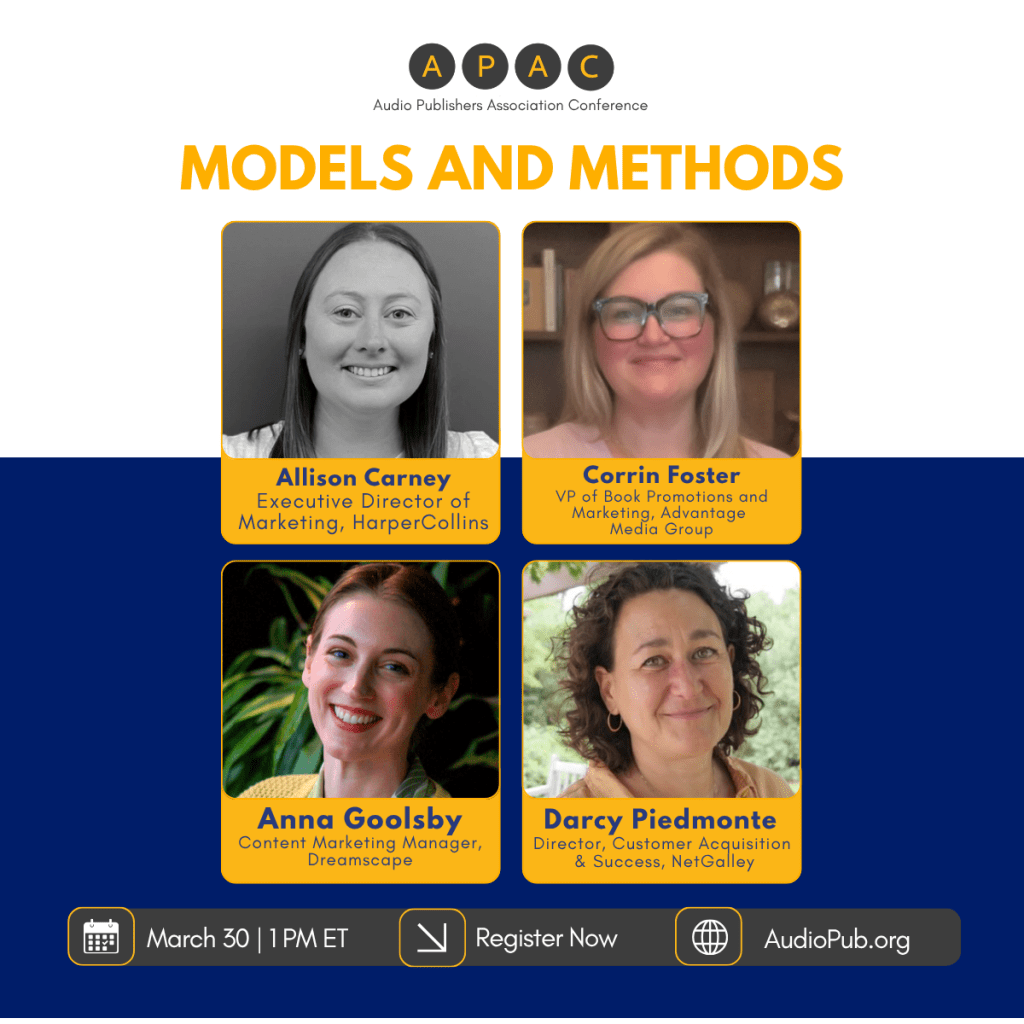
🎧 APAC – March 30, 2026

Don’t miss the Audio Publishers Association Conference (APAC) on June 30, 2026! We’re thrilled to help present the session: Models and Methods—Adapting to Trends and Change in Audiobook Marketing

Every audiobook is created differently, and so is every marketing campaign. This session will include a deep dive into 3 case studies in audiobook marketing including a big 5 publisher, an audiobook-specific publisher, and a hybrid publisher focusing on micro marketing campaigns.

Divider