Beyond the Book with Women’s Media Group

How Authors, Publishers and Agents are Developing New Revenue Streams

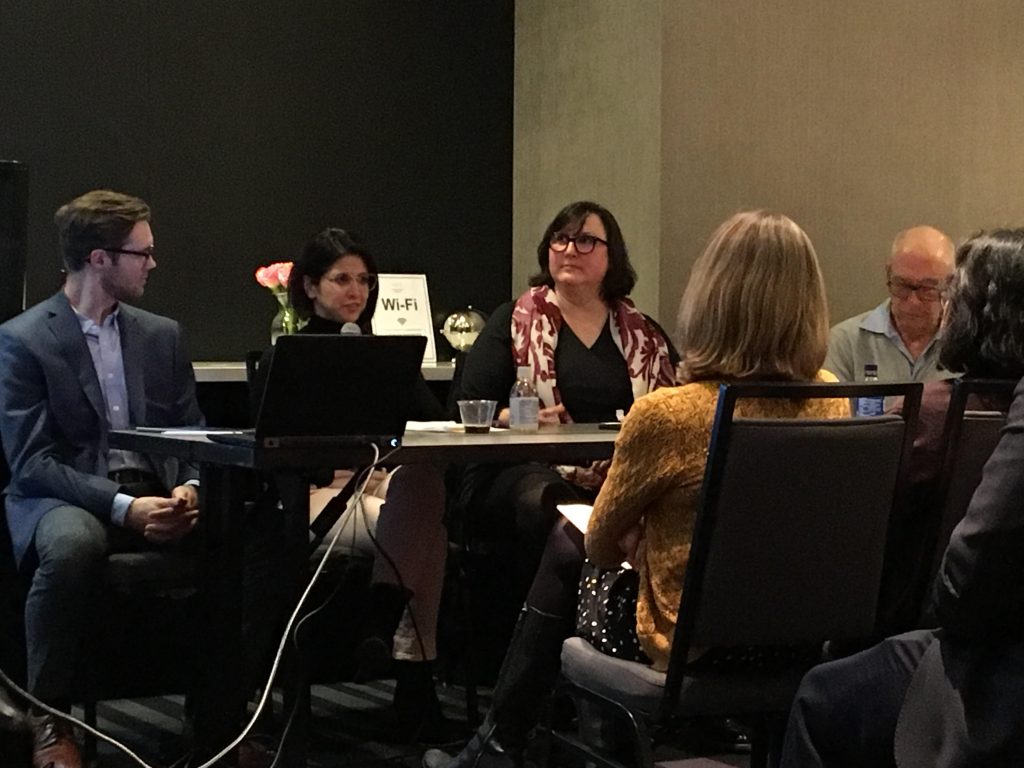
To help their authors make a splash and to stay financially viable, publishers are on the hunt for additional revenue streams. They’re launching ad-supported podcasts with authors as experts, teaching online courses, partnering with brands, and more. And last week in Penguin Random House’s Maya Angelou Auditorium, Women’s Media Group gathered several heavy hitters who have track records helping authors in this arena. The panelists discussed developing content that audiences want while maintaining an authentic feeling of connection. Here’s a taste of what they covered:

Pay attention to your audience at all stages

Christy Fletcher, founder of Fletcher & Company, described her approach to creating new revenue streams for her author clients as creating a “noisy, robust launch while listening closely to the audience.” This means paying attention to what platforms they are using, what questions they are asking, and what other media they are consuming. Then, she is better able to amplify the work her authors are already doing and give that audience new material that they will enjoy.
Kathy Doyle, VP of Podcasts at Macmillan rigorously researches before committing seriously to a new venture. Before she started working with Ellen Hendricksen on what would become The Savvy Psychologist, Doyle and her team had already conducted a study to determine that psychology was of interest to their pre-existing audience. With that audience insight in place, she was able to confidently launch a new project with the assurance that there was an audience waiting for that content.  

But the research doesn’t stop there. Doyle advised the audience to keep track of podcast appearances or online tutorials in a marketing and publicity calendar so that when publishers see a spike of interest, they can better trace it back to specific timing and strategy and replicate it in future efforts.

Scaling intimacy

During the Q&A, audience member Leah Siepel, founder of Leah Siepel Courses asked the panel about scaling intimacy with larger online courses. She told the audience that in her own work building online courses for clients, courses with higher degrees of contact between the educator and the audience led to higher course completion rates. She wanted to know how to build bigger audiences without sacrificing the personal attention that leads to greater end-user satisfaction. The panelists all agreed that this is a challenge when growing audiences, and that successful online courses must be more engaging than a video of someone talking for 30 minutes.
Christy Fletcher described how she and Gretchen Rubin tackled this issue for The Happiness Project Experience, an immensely popular year-long course with a waiting list. They created smaller groups of participants within the wider course, using a cohort-based model with monthly modules and live call-ins to help members feel more connected to each other and to Rubin. Moderator Stephanie Bowen suggested filming lessons in front of a live audience to help viewers feel more like a part of an active learning community. Bowes suggested working with a company like Creative Live. Joan O’Neil, Vice President at Skillsoft Books, incorporates visuals to give online courses more of a Ted Talk feel. With options like live call-ins, production companies creating live lessons, and more, it’s possible to create truly dynamic and engaging online courses that resonate with viewers.

Podcast revenue model changes

Kathy Doyle described the changes that are happening in podcast advertising. Currently, most podcasts use live-read ads where hosts read ad copy for a product. This method capitalizes on the intimacy that podcast listeners feel when they hear a host speaking directly into their ears. Ads read by hosts feel like recommendations from a friend. However, as Doyle noted, the process of matching podcasts to products to create natural-sounding ads is both highly manual and highly time-consuming. Plus, podcast listeners are quick to recognize when an ad doesn’t sound natural or doesn’t fit with the host’s brand. Podcasts are beginning to go the way of digital advertising more broadly, which is to say programmatic. Increasingly, brands will be able to buy podcast audiences rather than listeners to a specific show. Programmatic advertising is show-agnostic, meaning that it will be able to, for example, target young urban parents who are likely to purchase a meal kit subscription rather than all listeners of The Racist Sandwich.

With any effort to build in new revenue streams or platforms for authors, the key is to listen to what their audience wants and to provide an engaging and authentic experience.

Speakers

  • Kathy Doyle, Vice President, Podcasts, Macmillan Publishers
  • Christy Fletcher, Founder and CEO, Fletcher & Company
  • Joan O’Neil, Vice President, Skillsoft Books
  • Moderator: Stephanie Bowen, Senior Manager, Publishing Development & Author Platforms, Penguin Random House

Women’s Media Group, founded in 1973, is a New York-based nonprofit association of women who have achieved prominence in many fields of media. Their 250-plus members, drawn from book, magazine, and newspaper publishing; film, television, online and other digital media, meet, collaborate, inform and support one another as well as mentor young women interested in publishing careers. They seek to advance the position of all women through the power of communication and media. Find out about their upcoming events here.

Divider

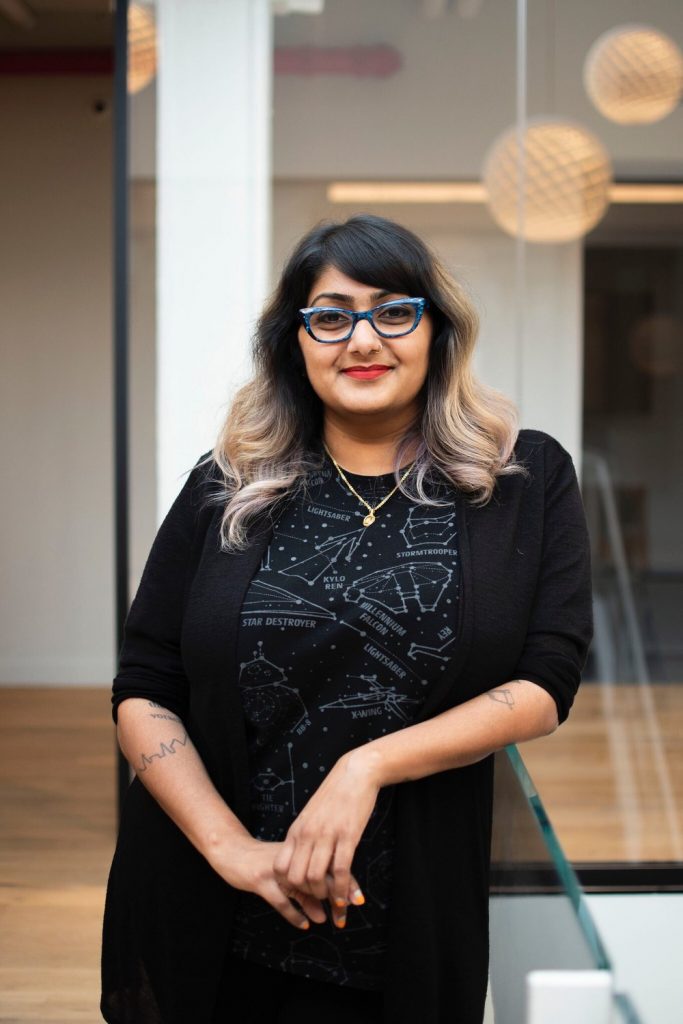
Preeti Chhibber: Making publishing more diverse and dynamic

NetGalley Insights chats with writer and publishing professional Preeti Chhibber on her career path, her mentors, and the other people making publishing a more inclusive industry.

There’s a lot of talk in the publishing industry about efforts to address diversity and inclusivity. We’ve listened to panels all year long from Tech Forum to London Book Fair. Preeti Chhibber is one of the people doing the work to make it happen.

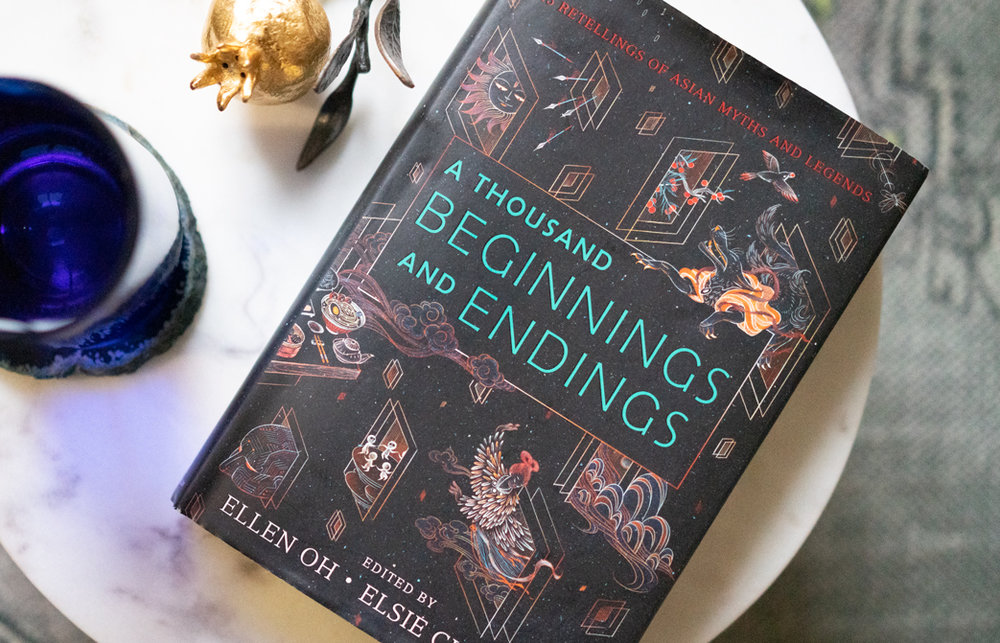
Frankly, she does it all! She points out where the publishing industry is falling short in terms of representation, both at a systemic level and in the titles that are being published. She produces content to make the industry more diverse, like her contribution to A Thousand Beginnings and Endings and her podcast Strong Female Characters. And with her Marginalized Authors & Illustrators database, she is giving publishers no excuse for a lack of diverse hires.

She spoke with NetGalley Insights recently about how her career path evolved, her mentors and collaborators, and the other players who are making publishing a more inclusive and dynamic industry.

Tell us about your career trajectory: What was your path from children’s publishing to being a professional cultural critic and enthusiast, a podcaster, and all-around advocate for a more inclusive pop culture?

It wasn’t so much a path as it was something that happened side by side. My work in children’s publishing inspired my advocacy because I was noticing a trend of our kid lit to be very monochromatic. It was rare to see books by and about people of color. Then I started realizing that we work in an industry where we can affect what is and isn’t published, and if I was going to be vocal about books, why not look at the rest of the media landscape as well? I had a vested interest, after all. In terms of the criticism and podcasting, I’ve always written about pop culture on my own time – I grew up on the internet and in the era of blogging and WordPress, so when I realized I could get paid to do this, I had a portfolio ready to go when I started pitching.

What brought you to book publishing and what were your early days in the publishing industry like? What piqued your interest? What challenges did you face?

Book publishing sort of happened by accident. I don’t mean that in a “I fell into this job” kind of way but rather  “I can’t believe this is a real job.” I was, as so many young South Asian American students are, pre-med when I was in undergrad. And I was struggling because I am terrible at math and science. I’ve always been more of a reader. My brother was in New York at the time, and he met a woman who worked at Tor and he facilitated a phone call between us where she told me about her work, and I was flabbergasted. This isn’t an industry discussed in the Indian community at all. We get doctors, lawyers, engineers. Publishing? What is that. But as soon as I realized that I could be a part of something that got books into readers’ hands… that’s all I wanted.

Chhibber contributed to this 2018 short story collection reimagining the folklore and mythology of East and South Asia.

Early days were interesting. I got my start in kid lit at Scholastic in 2008, and it was just when the industry was starting to think about how we were being impacted by the Internet. I saw the rise and fall of several e-readers and e-reading apps in the span of four or five years. It was so frustrating to watch as an entry level position without the power to say anything!

It’s always a challenge in publishing to disrupt the status quo. The industry is so old and so slow to change, but it needs to change. When I started, it was so difficult to get noticed without knowing someone (I only got my job by meeting someone at NYU who put my resume in for her position when she left). Publishing is not an equitable industry, and it’s something that needs to be addressed. The pay is low, the work is intense, and you have to come from some kind of privilege to be able to afford to work. I heard an HR rep on a panel once brag about an entry level assistant who had to work an extra job in addition to her work at the publishing house in order to afford to live in the city. I’m… still mad about it.

Who were mentors and colleagues who inspired and encouraged you along the way? How did they help you find your path?

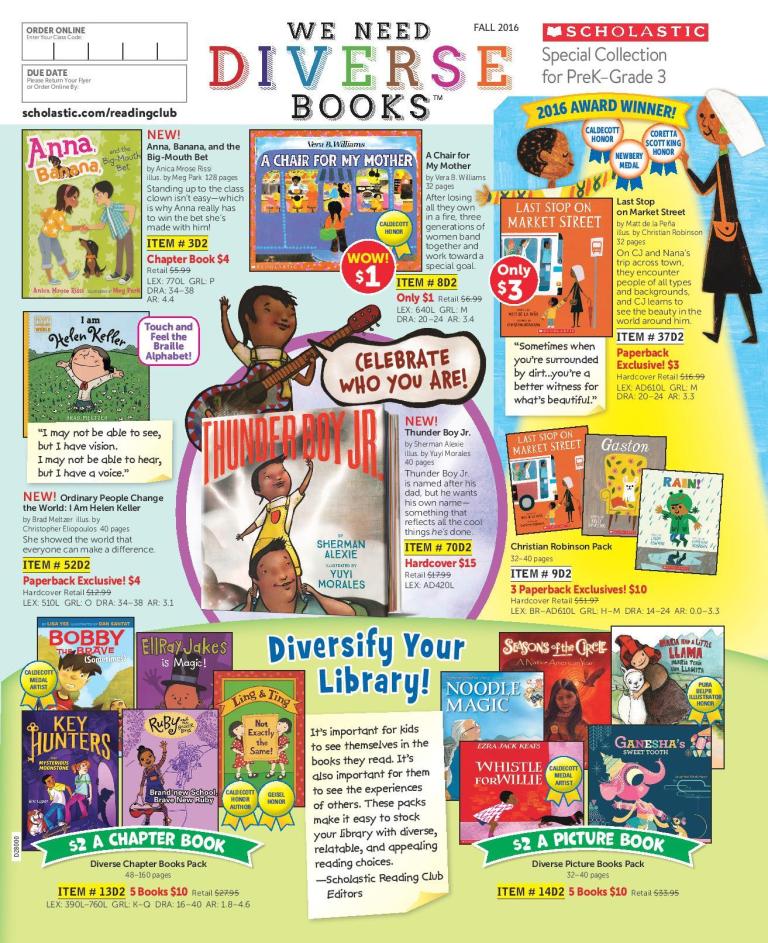
In 2015 I started working for a woman named Ann Marie Wong, who was the boss that I think people dream about. She was so supportive and encouraged new ideas – together, we started the We Need Diverse Books (WNDB) partnership with Scholastic Book Clubs as well as a Young Adult initiative. I also want to shout out Sona Charaipotra, who co-founded Cake Literary, a book packager for commercial, diverse children’s literature. She, as a fellow desi woman in publishing, has always been available for conversations about new jobs, or negotiating, or in my case, quitting the industry to write full time for a year. It can be difficult to navigate the business side of some of these old companies, and having women of color around who have done the Thing and can use their experience to help guide you is invaluable.

What has it been like to go from working on behalf of other people’s books to being a writer yourself? Was this always the goal or was it something that developed along the way?

Writing is definitely a goal that developed along the way. It was just so far out of my understanding as something that I could do. Growing up, I had Arundhati Roy or Jhumpa Lahiri as examples of Indian women who were writing for a living. And… I am not either of those women, who are literary bastions of excellence. Early on in my career, an executive said that it was so important to understand the line between Writer and Publisher, and knowing what side you stood on. I know now what a ridiculous thing that is to say, especially considering how many of my colleagues are incredible writers… but when I heard it at the time, it stuck with me for years.

But, as I started noticing what books were being published, I thought I had something to say, a book to write for the kid I’d been. The kind of stories I wished I’d had. So here we are.

It’s been an interesting experience, because I know the publishing side so well, but I’m not as familiar with being a writer… and none of those writerly insecurities are stymied by knowing what’s going on behind the scenes. They might actually be exacerbated by the fact? Like, I can imagine what the meetings are like discussing a book which is not helpful, ha!

We know that moving forward is a collective effort–who have been your biggest supporters? Who are some others that are doing important work to make publishing more inclusive?

I already mentioned Ann Marie Wong and Sona Charaipotra above—but I’ll add women like Dhonielle Clayton, Ellen Oh (who were our colleagues on the side of WNDB when we launched the SBC partnership). In terms of who is doing good work right now to make the industry more inclusive? Patrice Caldwell and her People of Color in Publishing organization, Alvina Ling was an inspiration when she started the diversity committee at Little Brown. And honestly, every single publishing professional who speaks up about the inequity of the industry, many of whom I’ve had the privilege to work alongside like Kait Feldman, Celia Lee, Cassandra Pelham, Trevor Ingerson, Eric Smith, Jennifer Ung, Cheryl Klein, Nancy Mercado, Namrata Tripathi, Zareen Jaffrey. And so many writers (including the aforementioned Ellen, Dhonielle, and Sona) who won’t let publishing coast, like Daniel José Older, Justine Larbalestier, Laurie Halse Anderson, Heidi Heilig, Kayla Whaley—I could go on and on and on, this list is by no means exhaustive, but there are so many incredible people doing the work. We’d be here for hours!

Tell us about the efforts you have made to create communities in publishing, like your Marginalized Authors/Illustrators Database.

Yes! I created the marginalized authors/illustrated database because there is a thing in publishing called IP (intellectual property) – where the publisher will come up with an idea and then hire an author to write the book. I was noticing that editors tended to keep going back to the same list of cis, straight, white authors and I wanted to do what I could to equalize the playing field as much as I could… so I created a resource for editors to find a more diverse group of possible creators. It throws the excuse of “Well, I just can’t find any” out the window. Here! They found themselves for you!

[To request access to the database, fill out this form!]

Bio: Preeti Chhibber is a YA author, speaker, and freelance writer. She works as a publishing professional. She has written for SYFY, BookRiot, BookRiot Comics, The Nerds of Color, and The Mary Sue, among others. Her short story, “Girls Who Twirl and Other Dangers” was published in the anthology A Thousand Beginnings and Endings (HarperCollins, 2018), and her first book, Peter and Ned’s Ultimate Travel Journal comes out this year (Marvel Press, June 2019). You can find her co-hosting the podcasts Desi Geek Girls and Strong Female Characters (SYFYWire). She’s appeared on several panels at New York Comic Con, San Diego Comic Con, and on screen on the SYFY Network. Honestly, you probably recognize her from one of several BuzzFeed “look at these tweets” Twitter lists. She usually spends her time reading a ridiculous amount of Young Adult but is also ready to jump into most fandoms at a moment’s notice. You can follow her on Twitter @runwithskizzers or learn more at PreetiChhibber.com.


Interviews have been edited for clarity and length.

Divider

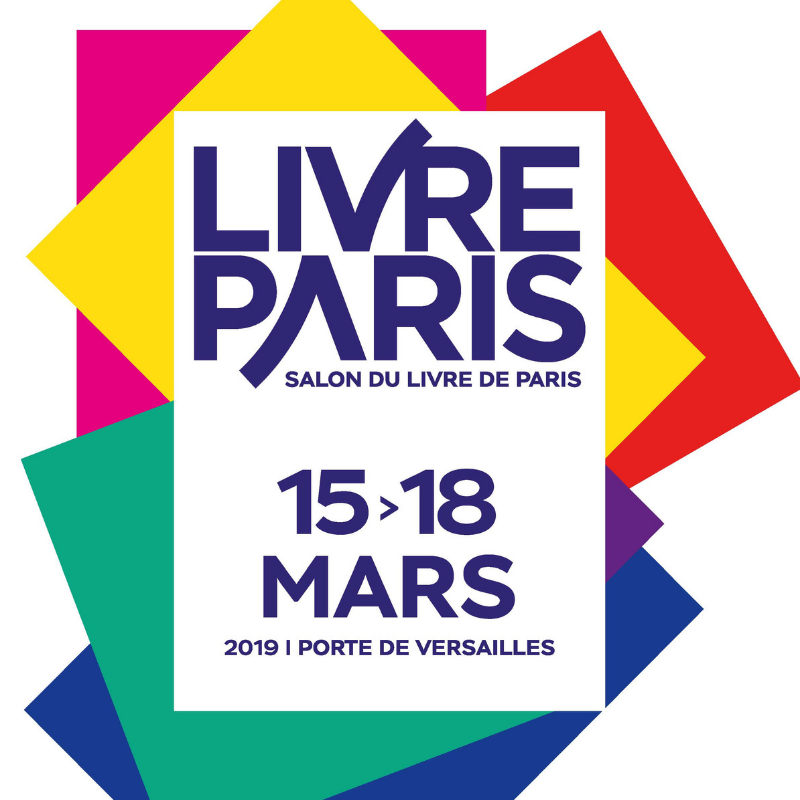
Trends at Livre Paris: The power of self-publishing, the global audio market, and keeping young readers’ attention

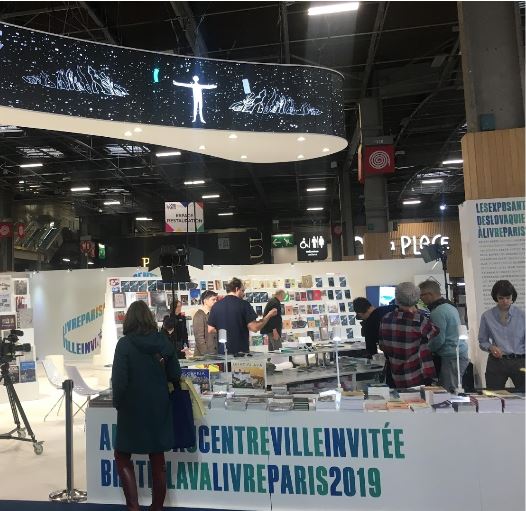
With conference season in full force around the world, NetGalley France’s Astrid Pourbaix attended Livre Paris, or Paris Book Fair. In its 39th year, Livre Paris gives visitors a grasp on global book trends. 1,200 exhibitors from 45 countries displayed their services, products, and titles. The 160,000 attendees could sit in on one of 800 conference sessions or wait in line for an author signing from one of the 3,000 authors in attendance.

Whereas London Book Fair focused on the Indonesian book market, Livre Paris honored several different global regions. Primarily, the festival focused on Europe as a whole. Speakers including Livre Paris director Sébastien Fresneau discussed Europe’s rich and diverse cultural history as well as issues that affect the whole continent’s book market, such as the EU copyright directive legislation. Additionally, both Bratislava – the capital of Slovakia – and Oman were invited as special honorees.

A major takeaway from Livre Paris, like London Book Fair, was the growing children’s market. School visits to the fair have increased, and Livre Paris has responded by providing more programming designed for younger readers. Students, young influencers, and authors of children’s and YA books appeared on panels and in programs.

One challenge noted during the fair is that young readers’ attention is volatile. Publishing needs to do more to enliven young reading communities and keep them engaged.

Audio was in the air. 2 out of every 10 French people listened to an audiobook in 2018, doubled from 2017. For the first time, there was a prize awarded for audiobooks. Plus, writers and comedians were invited to record audio at the fair.

Like the US market, we are seeing the power of self-publishing in France. Both Amazon Direct Publishing and Books on Demand presented at the fair, indicating that self-publishing is an established part of the French book industry. Attendees also saw the Gutenberg One robot, a print-on-demand solution that can print books in less than 5 minutes. A recent survey saw that 80% of French people enjoy writing and 53% already wrote or would like to write a book one day, indicating that self-publishing is likely to keep growing in the French market. Check out our coverage of London Book Fair, as well as recent events from BIGNY and the Future of Media. And, keep up with NetGalley Insights conference coverage by signing up for our weekly newsletter!

Divider
Divider

London Book Fair: Making a more inclusive book industry

The London Book Fair is one of the largest annual gatherings for the book industry, particularly for agents and publishers looking to trade in international rights. Between March 12 – March 14, attendees who were not sitting in the Rights Hall or dashing to meetings sat in on seminars, strolled the booths, and met colleagues from around the globe who also made the trip to Olympia London.

Where the Book World Comes to Meet

Each year, the London Book Fair focuses on a particular market from around the world. This year the spotlight was on Indonesia. Made up of thousands of islands and religiously diverse, Indonesia was able to showcase their books and culture to a global audience. The Indonesian book market is as diverse as its many thousands of islands, titles are produced in many different languages, and few are translated into English. Theirs is a growing market, with an increasing international presence. Fiction – short stories, in particular – are popular in Indonesia. Indonesian readers read across a broad number of topics, but myths, spirituality and beliefs seem to be at the forefront of Indonesian publishing.

Throughout the Fair, we found that the most prevalent theme was inclusivity. Genres and formats that are growing in the industry are the ones best able to connect with a diverse audience. By making the publishing industry more diverse, it takes steps to become more inclusive.

Diversity refers to the different kinds of people who are involved in an industry, or the different kinds of stories that are told. Inclusion refers to an overall atmosphere that is welcoming to different kinds of people, including those who have been traditionally marginalized within the industry.

Diversity

One of the biggest aims of the publishing industry over the last few years has been that of creating books with more diverse characters, written by more diverse authors. Whilst the industry is heading towards having greater diversity, there is more that needs to be done. Actor, author, and TV presenter Cerrie Burnell highlighted, during the Diversity: Where’s the Issue panel, that diversity within books, children’s books in particular, needs to be more normalized. She said it should be as “normal as observing it when living and walking around London.” Author and illustrator Rose Robins took a similar stance, suggesting that neurodiverse characters should be included more in literature, rather than treated as plot devices. (That’s one of the reasons we loved The Kiss Quotient – check out our recent case study here!)

To connect with audiences from different backgrounds, the publishing industry needs to become more diverse as a profession, in addition to publishing more books with more diverse characters. Speakers from HarperCollins, SAGE Publishing, and EW Group touched on this in their panel on building a more diverse and inclusive industry. Efforts to make publishing houses more diverse need to start from the recruitment stage to keep the industry vibrant.

Poetry

At LBF19, we saw that poetry is on the rise. Poetry sales in January 2019 were at an all-time high, growing by 12% according to Nielsen Bookscan. The recent success of poetry has been attributed to its being more inclusive and diverse than other book genres, with more young people than ever buying and engaging with poetry. The success of Rupi Kaur, writing about her experience as a woman and as a daughter of immigrants, as well as Charly Cox, indicates that there is a huge audience eager to see themselves reflected in the books that they read. And with platforms like Instagram, poets have new ways of reaching younger, digitally engaged audiences. More traditional forms have also found a new audience, with Robin Robertson’s The Long Take the first work of poetry to be nominated for the Man Booker Prize. Sales of poetry have been building for the past few years, and it looks like 2019 will continue to see an upsurge of interest  in the popularity of poetry.

Audiobooks

Unsurprisingly, of all the formats discussed at the London Book Fair audiobooks continues  to be on everyone’s radar. According to Nielsen figures the sales of audiobooks have increased by 87% in the UK since 2014. The popularity of audiobooks has been linked to the trend of podcasts and engaging young men in particular with a different format of reading. But audiobooks have seen a rise overall and the boom seems set to continue for 2019 and onwards. (Check out some of our podcast coverage here.)

Nonfiction

Nonfiction is also a hot topic, as both adult and children’s nonfiction sales have increased in the last year. For adult nonfiction, a large proportion of the success comes down to feminist titles and inspiring books such as Slay in Your Lane by Yomi Adegoke and Elizabeth Uviebenene, Bloody Brilliant Women by Cathy Newman and Dolly Alderton’s Everything I Know About Love. As nonfiction has become more diverse in its scope, it has drawn in new audiences.

We were encouraged to see the book industry slowly moving towards being more inclusive, with publishers and authors having great successes on more diverse books. Different formats and genres are reaching new audiences and encouraging a whole new generation of readers.Keep up with the rest of our conference season coverage by subscribing to NetGalley Insights!

Divider

Companion Audio Strategy for The Unwinding of the Miracle (Penguin Random House)

Julie Yip Williams, author of The Unwinding of the Miracle, knew she would never see whether readers liked her book. The Unwinding of the Miracle shares Yip Williams’s experiences and thoughts as she approached her death from colon cancer. Through the book she wonders about what the lives of her husband and daughters will look like, and finds the miraculous in the most universal human experience — death. Published posthumously on Feb. 5 by Random House, The Unwinding of the Miracle is a New York Times bestseller.

The team at Random House helped raise the memoir’s profile through a unique audio strategy. Beyond typical plans to advertise on podcasts, they decided to take it a step further for the release of The Unwinding of the Miracle. In collaboration with Pineapple Street Media, Random House created a 4-episode companion podcast, Julie: The Unwinding of the Miracle.

The podcast featured audio interviews with Yip Williams as well as audio from some of the last visits her family had with her before her death. Listeners could hear Yip Williams talking about how she decorated her bedroom so that she’d have somewhere beautiful to die and making plans to haunt her family members. In the final episode, the surviving family members and friends talk about the ways that they feel Yip Williams’s presence after her death.

As of February 27, 2 weeks after the final episode was released, the podcast ranks number 51 for all Health podcasts on iTunes, with over 600 reviews and an average of 4.5 stars. The podcast was featured on Call Yr Girlfriend through a sponsorship from Pineapple Street Media and on All Things Considered.

Investing in a collaboration with expert podcasters resulted in a well-paced and compelling narrative with high production values. Pineapple Street Media is a well-established podcasting company. They produce, among other shows, Still Processing from the New York Times and were behind the chart-topping Missing Richard Simmons. Julie: The Unwinding of the Miracle’s producer Eleanor Kagan comes from a well-established audio background, having worked previously for both NPR and Buzzfeed.

We chatted with Leigh Marchant, Director of Marketing & Business Development at Random House about Julie: The Unwinding of the Miracle and their companion audio strategy.

How did you decide to create a podcast for The Unwinding of the Miracle?

Our Random House Editor-in-Chief, Andy Ward, and I had been talking about doing a podcast with our mutual contact, Max Linsky, from Pineapple Street Media. As all great projects start, we pitched him a few ideas over lunch and decided that Julie’s story would make for an incredibly compelling podcast. We thought having Julie’s story told in both book form and via podcast would be a really interesting project—that instead of being restricted by only telling this story in one format, we could have them complement and inform each other.

What kinds of audiences were you hoping to access with the podcast?

We think that podcast listeners are readers, and readers are podcast listeners. We have seen some consumer insights reports that show media affinities for some of our authors and titles, and podcasts are definitely included in there. Of course, certain podcasts appear more frequently in our data than others but we do think there is listener/reader overlap.

So we were hoping to draw attention to the book through the podcast audience – and vice versa. The two projects – the podcast and the book – are meant to be complementary. In other words, if you read the book, you will want to hear more from Julie and her family and friends through the podcast. And if you listen to the podcast, you’ll want more in the book. Both the podcast and the reading experience deliver in such a strong way. The content of the two projects is actually different but together provides an incredible understanding of what Julie and those who are terminally ill are grappling with.

Both the podcast and the reading experience deliver in such a strong way. The content of the two projects is actually different but together provides an incredible understanding of what Julie and those who are terminally ill are grappling with.

How is that audience different from — or the same as — the audience you were connecting with through other parts of the campaign?

We are always looking to reach readers through our campaigns and one of the ways we do that is actually via podcast advertising! So creating the podcast was a great way to reach some of our target audience. We were hoping to reach readers of books like When Breath Becomes Air, The Middle Place and The Bright Hour. Also we targeted readers of medical memoirs, followers of Julie’s blog, as well as parents.

But of course the goal for any book is to reach the right readers and we knew that if we could capture an expanded audience via the podcast, they would likely be interested in the book as well.

How did you balance creating a rich and emotionally resonant podcast with leaving enough unanswered for the listener so that they would want to read the memoir?

That was a main concern at the start of the project. We didn’t want to cannibalize either project so we were careful to keep the content different enough, yet complementary. In the podcast, you hear from Julie’s family and friends. The book is just Julie’s words and thoughts. The two forms work so well together though. Each project is so powerful, so moving, so compelling. But together they offer such a complete portrait of Julie’s incredible life and, later, her battle with cancer.

How does companion audio fit into your strategies for other titles?

We are always looking for new ways to reach readers – on whatever platform they are consuming content. Podcasts are a great way to do that and we will continue to explore opportunities in that space – when it makes sense. We have a number of other podcasts through our corporate group coming. But we’re also exploring other multi-media platforms, as well. We also just launched an Alexa Skill called Good Vibes. Our goal is to connect readers (and listeners) to great books via the platforms where they are already consuming content.


Be sure to subscribe to NetGalley Insights for more strategies from successful marketing campaigns, audio coverage, and more!

Divider