Independent author M.J. Etkind recently shared her experience on Reddit about using NetGalley for her books — including landing a feature in the The New York Times and generating meaningful library sales. Her biggest takeaway? NetGalley is far more than a review tool. When used strategically, it’s a professional marketing platform designed to connect authors with booksellers, librarians, media, and industry professionals.
Here’s what indie authors can learn from her approach.
Remember Who NetGalley Is For
Many independent authors view NetGalley as a way to collect reviews on Goodreads or StoryGraph. And yes — reviews in these places absolutely matter, but M.J. believes they’re not the only thing that matters!
NetGalley was built primarily to serve industry professionals, ranging from booksellers, librarians, media, reviewers and educators. But M.J. has found that if your only goal is consumer reviews (meaning reviews shared on retail sites like Amazon or social sites like TikTok), you may be underutilizing the platform. Authors can, and should, think bigger! Trade visibility, library discovery, and retail relationships are all within reach when using NetGalley. M.J. discovered that one of her biggest long-term values came from focusing on professional audiences, particularly within libraries and bookstores.
Budget Conscious? You Have Options.
For budget-conscious indie authors, M.J. recommends working with a NetGalley reseller to reduce the cost of the investment.
For independent authors, you have options:
Work with NetGalley directly: You have full control over your own account and title listing, with instant access to data. Plus, participating in NetGalley’s built-in promotions and Booktrovert are just a click away!
Work with a NetGalley reseller: Resellers may provide some discounts and/or shorter time commitments. Some even have marketing and PR options bundled into their offerings, which can benefit authors looking for a bit of extra help!
M.J. has used Victory Editing Co-Op, one of the longest-standing NetGalley co-ops/resellers available. Additional experienced resellers can be found here.
How to choose?
Authors who want full control, detailed data access, and the ability to actively manage and scale their campaigns may prefer working directly with NetGalley. Those looking for a lower upfront cost, shorter listing durations, or a more hands-off experience may find a reseller to be the better fit.
Anne Victory, owner of Victory Editing and facilitator of the Victory Editing Co-op, says, “My co-op gives authors maximum control while making NetGalley far more accessible. I focus on removing friction so authors can spend their energy where it matters—reaching readers.”
Know the Communication Rules
To maintain member privacy and trust, NetGalley has important guidelines regarding member contact. Based on her experience, M.J. recommends following these two lines of outreach to ensure broad engagement and relationship-building with readers:
Send a gentle email to past ARC readers notifying them of a new book
Send reminders to approved members encouraging them to download and review
In fact, NetGalley offers template language to help you get started with outreach like this!
Plan your communication strategy carefully to ensure you’re following best practices that will help you stay on the right side of GDPR, CCPA, and other privacy-related regulations.
Have Your Retail Infrastructure Ready
Timing matters. M.J. emphasizes making sure pre-order links are live everywhere, especially on Amazon, Goodreads, and through IngramSpark. This will ensure your retail links are available by the time your NetGalley listing gains traction! Metadata distribution through Ingram can take over a week from file approval to bookstore visibility, so plan ahead.
If industry professionals discover your book on NetGalley but can’t easily order it, you risk losing momentum.
Invest in Your Cover
M.J. saw a dramatic difference in performance between books with strong covers and books with weak ones.
On a platform like NetGalley where books are browsed quickly and feedback on the cover art is encouraged, cover quality directly impacts request rates. This is especially true of cover images that were generated by AI. While many indie authors are understandably conscious of budget, your cover image is not the area that you should scrimp on!
Include Industry-Focused Materials
In addition to the book file, M.J. ensures that all of her developed marketing materials have been added to her NetGalley listing, so that industry professionals know how and where to reach her. She includes:
A sell sheet
Ordering information for bookstores and librarians
Contact details
Backlist catalog information
Direct links to social and retail sites for reviewers to cross-post reviews
This reinforces NetGalley’s professional purpose and makes it easier for industry members to act, as well as helping more casual consumer reviewers share their reviews widely!
Integrate NetGalley into Your Bookstore Marketing Plan
For M.J., NetGalley isn’t a standalone tactic — it’s part of her broader bookstore outreach system. She includes her NetGalley link when pitching bookstores, giving them a frictionless way to preview the book in order to help them decide to carry it in their store, hand pitch to readers, and enhance sales. In this context, NetGalley serves not only as a review tool, but as a professional access point within a more comprehensive marketing strategy.
M.J. Etkind, author of the New York Times Featured book, The Witch of Wall Street.
M.J. Etkind lives a double life. By day, she is a corporate girly with a business degree. By night, she writes romance novels in a cozy book filled apartment in Boston. M.J. Etkind’s most favorite fun fact is that she once took an entire vacation to visit a bookstore. Etkind has previously published two romance novels. Dishwasher Safe (2024) and The Witch of Wall Street (2025) which was featured in The New York Times Book Review.
Catching the attention of readers in a crowded genre
Terina Adams, author of The Unbroken Queen, thought NetGalley was just for traditional publishers. She was pleasantly surprised to find a Romantasy audience eager for her books, and a new social media following who are now excited for the next book in her series.
In this case study, Adams shares her writing routine, the impact and importance of social media, and how NetGalley has helped The Unbroken Queen succeed in ways Adams could not have predicted.
Romantasy is a very popular genre right now! Did you always think that would be the direction you would take your writing?
I’m a very eclectic reader and have already written in four different genres under various pen names, so I’ll likely find my muse leading me to new genres in the future. I write for my enjoyment as well as for my readers, and I find it difficult to confine myself to just one genre. Currently, I’m thoroughly enjoying the romantasy genre and plan to stay here for a while—I already have another series planned and ready to begin.
Talk us through what a typical day of writing looks like for you.
I’m envious of all those morning people because that’s just not me. I love the idea of starting my day super early and finishing earlier, but my brain doesn’t function optimally first thing in the morning. My workday typically starts around 9:00 AM, after I’ve made my daily pilgrimage to the local coffee van and walked the dog. I usually warm up by re-reading the previous chapter. I used to write in one-hour blocks, taking at least a 10-minute break in between to move and stretch. However, I’ve recently purchased an under-the-desk treadmill, which has been fantastic. I can now work continuously until lunch. In the afternoon, I write for a few more hours and handle emails and the business side of writing. Depending on how my day goes, I usually wrap up around 4:00 PM and either go for a jog or walk the dog again.
How has social media impacted / influenced you as both a writer and a marketer?
Social media is definitely a weak point for me—it’s never been something I particularly enjoy, and so I have had to work at it. However, it can be an author’s best friend and a fantastic way to connect with readers. Gone are the days when authors were hidden behind a wall and readers had to send letters to publishers in the hope they may receive a reply from their favorite author. Social media allows authors to be real, personable, and foster direct relationships with their audience. It also has revolutionized book sales. Platforms like Bookstagram and BookTok have become essential hubs for avid readers to share recommendations and discover new books. These sites are invaluable for authors to stay in touch with trending tropes and understand what readers are looking for. Marketing on social media has taught me how to distill the core essence of my book into concise phrases, catchy memes, and enticing hooks. It’s a great way for authors to peel back the layers and get to the heart of describing their books.
I appreciate the extended availability period for my book and the diverse readership it reaches. NetGalley has helped me connect with readers I might not have been able to reach otherwise.
This is your first experience using NetGalley. What drew you to using our services for The Unbroken Queen?
I’m always looking for new ways to market my books, and one strategy I use is to get my book into as many readers’ hands as possible before release. I’ve experimented with different platforms and initially thought NetGalley was mainly for traditional publishers. However, once I explored it further, I was excited by the opportunities it offered. I appreciate the extended availability period for my book and the diverse readership it reaches. NetGalley has helped me connect with readers I might not have been able to reach otherwise.
Toni Morrison on rewriting says, “The revision for me is the exciting part; it’s the part that I can’t wait for—getting the whole dumb thing done so that I can do the real work, which is making it better and better and better.” Did you use any of the feedback or conversations you had from listing your book on NetGalley as an impetus to edit?
No, I didn’t. Most of the feedback I received from reviewers was based more on personal preferences rather than structural, plot, or character issues. As an author, it’s important to remember not to edit by committee. I rely on my developmental editor and a few trusted beta readers to prepare my book for publication. I would consider revising details if I saw recurring reviews mentioning significant issues, such as confusion about the plot, major plot holes, or errors. If there’s a recurring theme in their preferences, I might take that into account when starting another series.
What is your general rewriting process like from the time you start sharing your book with reviewers to when it’s in publication?
My rewriting process isn’t particularly lengthy because I do a lot of editing as I write. I also work with a developmental editor who helps address major structural, plot, and character issues. After that, I share the manuscript with trusted beta readers in my genre, who help fine-tune it. By the time the book reaches reviewers, I’ve already gone over it multiple times. If I notice recurring critiques from reviewers, I’ll make minor tweaks, but I usually leave the book as it is. However, I may take those critiques into consideration for my next series, especially if I believe they can help me craft a more compelling story. It’s important to remember you can’t write a book that pleases everyone.
Writing can be a lonely process, how has using NetGalley helped you build a community for your most recent book and how can you leverage that community for your forthcoming book?
NetGalley has been fantastic for building a community around my books. I’ve connected with Bookstagrammers I wouldn’t have reached otherwise, thanks to the platform’s extensive user base. With the second book in the series being released this month, NetGalley has provided me with a list of enthusiastic Bookstagrammers eager to review and feature it. It’s been an invaluable resource for expanding my reach and engaging with passionate readers.
The most crucial aspect of any book’s success is how well you market it to your target audience.
With over 4,000 Impressions, 500+ Members with Access, and more than 130 Members (and counting!) who have left Feedback, your book has gained a lot of traction since listing it in our catalog in March. What do you think makes your book stand out to readers?
Honestly, I’m not entirely sure, but it certainly helps that romantasy is a popular genre right now, with many readers actively seeking books in this category. However, the most crucial aspect of any book’s success is how well you market it to your target audience. First impressions matter, so your cover should be clear and genre-specific. It should stand out while still aligning with the visual expectations of the genre. Once you’ve caught the attention of your ideal reader with the cover, the blurb must then convince them the story inside is exactly what they’re looking for. It’s also beneficial to understand your genre conventions, and you’ll earn extra points if you’re familiar with beloved tropes within the genre. Knowing these elements can help you better meet readers’ expectations and enhance your book’s appeal.
Which specific features of NetGalley have felt the most exciting to you as you ushered your book into the world?
The NetGalley feature I loved the most was the promotions, which significantly boosted the visibility of my book after the initial excitement from its listing started to fade. The reports feature was also great, providing valuable insights into how readers were perceiving and receiving my book. It was fantastic to see positive responses to my cover and blurb, as they are crucial in shaping readers’ interest and expectations, and it was reassuring to know I got those right. I also enjoyed seeing how many people indicated they would recommend my book to others.
Where is the most value you have found in using NetGalley as a tool for The Unbroken Queen?
The most valuable aspect of using NetGalley for me has been connecting with Bookstagrammers and BookTokers. Book marketing often involves extensive outreach, and while you can DM book influencers and anyone on social media interested in books, it requires a lot of research to find the right people for your genre, and there’s no guarantee on how long their TBR list might be. NetGalley, however, provides access to a large list of avid readers already searching for their next read. I was thrilled to see how many people shared my book on their social media pages, sparking a lot of conversation around it.
With the archive date for your book in the fall, what do you hope to achieve on NetGalley in the next few months?
I’ve been very pleased with the results from NetGalley so far. I continue to receive requests, and I’m happy to let the process run its course until the archive date.
NetGalley has been the perfect complement to my other marketing efforts, helping to expand my book’s reach and visibility.
What are the takeaways you have gained from your experience using NetGalley and how will they impact marketing your forthcoming book, The Reluctant Queen?
I will definitely use NetGalley again. It’s an excellent way to reach a diverse range of readers effortlessly. The key is to build buzz around your book before its release, gathering a group of enthusiastic fans who are excited to discuss your book and share it with others. NetGalley has been the perfect complement to my other marketing efforts, helping to expand my book’s reach and visibility. Thanks to NetGalley, I have a list of Bookstagrammers and BookTokers who are keen to help me spread the buzz about the second in my series The Reluctant Queen.
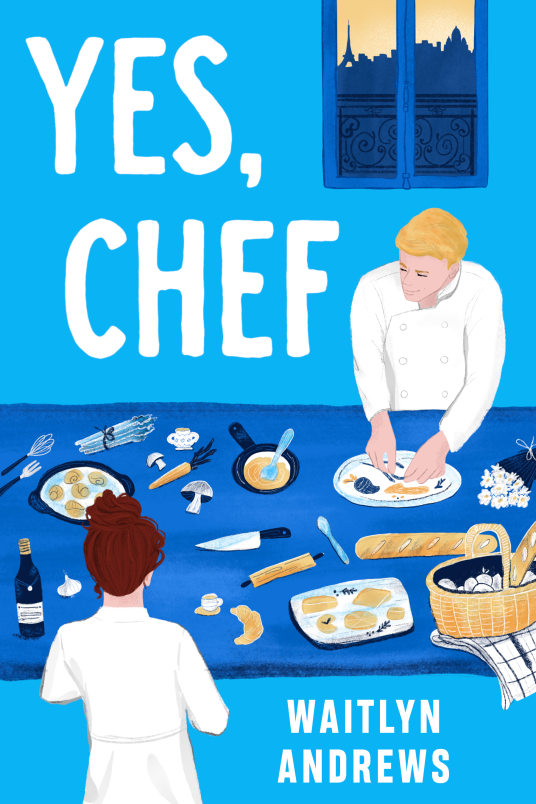
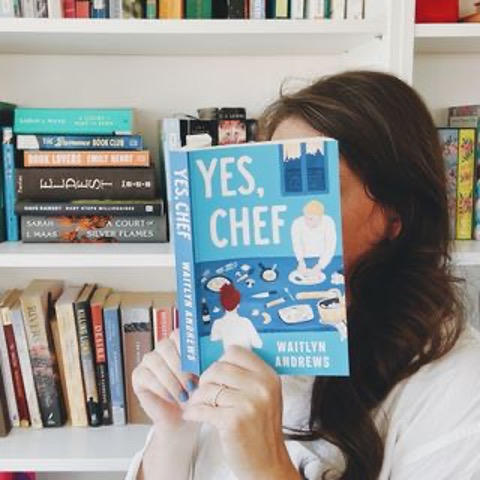
Waitlyn Andrews’ Yes, Chef received nearly 400 reviews in less than three months. Read on to hear her journey from writing 3,000 words per day, to learning about book-specific marketing and engaging with her reviewers—even going so far as to change the ending of the book!
Your debut romantic comedy, Yes, Chef, was self-published August 3rd, 2023. What role did NetGalley play in your early promotion of this book?
NetGalley has been my favorite pre-launch promotion tool, so I’m happy to gush all about it. I did a little research on YouTube to find best practice advice from other authors, and in the process found a lot of native content by NetGalley explaining the whole thing! I was several videos deep and convinced I needed to try it out.
Since this is my debut, I started from ground zero. I knew in order to build an audience from scratch, I had to invest in intentional marketing. My day job is in the digital marketing world, but the book world is a whole new industry, so I had a lot to learn. I make most of my personal reading choices based on reviews and ratings, so I chose that as the most important social proof to invest in pre-launch. I went from zero people knowing about my book to an email list of 1,300+ all because of NetGalley, and I’m not even mad about having to upgrade my free mailchimp account because of it!
I went from zero people knowing about my book to an email list of 1,300+ all because of NetGalley, and I’m not even mad about having to upgrade my free mailchimp account because of it!
Yes, Chef is described as “an upbeat, closed-door sizzling-with-chemistry, romantic comedy that will have you believing in the magic of a 90’s Rom-Com again.” What about ’90s rom-coms appeals to you? How do they influence your work?
There’s an inherent optimism in 90’s rom coms that I wanted to dwell in. It’s not that they’re without drama, but I grew up on the idea of strong female leads in occupations that I wanted falling in love with the right guys who support them in that journey.
I’m a huge, huge Nancy Meyers junkie, and one of the things she does best in her movies is plant the audience in a lifestyle so immersively that you become a mini expert in random fields and locations, so much so that you find yourself suddenly wanting to wear only linen or become a wedding dress designer, and I attribute that to her attention to detail in the setting. Based on the reviews I received from NetGalley readers, that seemed to be the case in Yes, Chef. Those were definitely my favorite reviews to read because it means that those readers got it, and those are my people!
Yes, Chef saw thousands of impressions on NetGalley, even before your planned Featured Title promotion. To what do you attribute this immediate success?
Based on the stats (which my husband and I watched like hawks because it was all so exciting) the top two reasons people selected the book were the cover and the blurb. And can I just say, that was a MAJOR sigh of relief on both accounts!
I dabble in illustration, but I know my own limits and when my version of the cover somehow included comically over-proportioned cheesy chef hats and hands that looked nothing like hands, I knew I needed to hire it out. The cover artist I worked with was a gem and she took my talking points and RAN with them. The result is something that I frequently just sit and stare at in disbelief.
As for the blurb, I went a little against the grain in the standard back-cover description, but I felt like the internal dialogue that happens in a single-POV book can quickly introduce the readers to the writing style and thought process of the character they’re about to invest their time in. Apparently it resonated well because it received high stats across the board. That had me grinning from ear-to-ear for weeks. I can get away with a lot because I’m in the indie space, but that also means I don’t have a sounding board to run these things by (other than my sweet, patient, husband and my kind, kind editor who answered my midnight emails). NetGalley ended up being the vote of the people and becoming that sounding board for me, so those early impressions validated a lot of the risks I took.
NetGalley ended up being the vote of the people and becoming a sounding board for me, so those early impressions validated a lot of the risks I took.
As of this writing, 18 out of 21 Librarians who have submitted Opinions on NetGalley indicated they would order Yes, Chef for their library! In your experience, in addition to Reviews, how do NetGalley members’ Opinions help you as an author?
Each category of opinion helped tell me a different story from a different perspective. The reviews helped me look critically at the content of the book based on people’s personal preferences. But, the opinions from Librarians helped me get a pulse on the perception of the book from people who are professionally in the space, and what they know from their experience with library patrons. Ultimately, getting the Opinion of one Librarian felt like getting a rating from 100+ reviewers all in one. Seeing the 18/21 result net so far beyond the positive spectrum of what I expected, I was genuinely shocked for this debut. I very much expected to be in a niche category, so I prepared myself for niche stats, but those Librarian stats exceeded my expectations.
I hear you have history with the prolific author Marie Force! Could you tell our audience a bit about that?
Oh, she’s the best! I’ve grown up watching her lifestyle and author journey on social media (she hosted my baby shower for my parents, so when I say my whole life, I mean it!) and I’ve always thought being an author was the ultimate occupation. She’s also an educator and ring-leader in the space, so her content frequently has an educational element that I’ve been gobbling up for years.
She came down to visit my parents a few years ago and we all went to dinner. She talked about her 3,000 words a day rule, and I thought surely I could try that. But the post that ultimately got me started was her recounting what her dad said to prompt her to start writing herself: She had two young kids and wanted to start her first novel but felt she didn’t have the time. Her dad asked her, “Well, what are you doing between the hours of 12pm-2am?” Now, with small kids of my own, I get it. My kids are in-and-out awake anyways, so why not start now?
Yes, Chef was born in those hours, and the sum of 3,000+ words a day eventually added up to a book, just like she said! When I told her I published a book she was wildly supportive, and having someone to watch do the actual thing throughout my life made me feel like I could jump in and try it out myself.
You’re a savvy social media marketer; even just glancing through your Instagram and TikTok, that much is apparent! What are some of your strategies for using social media to engage your audience? What have you learned works best for you and your book?
Thank you! I’ve worked in the digital marketing space for almost ten years now, but as I mentioned before, the book industry is a whole new world, even in the social space! I have general best practices I like to follow, but for my author account I just decided to have a little fun with it. In my day job, I follow the consistency rule (I could spend way too many words elaborating here but ultimately “consistency > creativity” works for most companies) but for my author account, I decided to only speak when I had something to say, and use it as a place to show readers the settings they can expect to read about because I’ve been to them, insight in the the writing process, and then pepper in book promotion content. And my cat. He’s kind of the star of the show. I think I’ve only posted the cover of my book 11/90 posts and that is NOT what I’d ever recommend in any other company or brand, but it’s been fun for me to be much more fluid and organic in my author space.
But the place I’ve loved being a little more strategic is in Reels and TikToks. I have an embarrassing amount of short-form videos from other authors saved on my personal accounts. These stack up to be my own personal TBR list. Making my own version of those videos has been so fun. Those videos always seem to spike my Kindle Unlimited reads so I’ve taken the reviews from NetGalley readers who talked about their favorite book moments and turned those into short-form videos to share on both platforms.
What was an unexpected takeaway from your experience publishing your debut novel?
There were so many unexpected moments for me, but what really got me were the social shares from NetGalley readers! I expected reviews translating to GoodReads and my Amazon page, but seeing my book out “in the wild” on social media floored me! I’d squeal every time I saw one come in, and WAY more came in than I ever expected.
I had a feeling diving all-in to NetGalley would be the best way to grow from zero, and it surpassed all my expectations.
I had a feeling diving all-in to NetGalley would be the best way to grow from zero, and it surpassed all my expectations.
When your Featured Title Promotion ran the week of August 7th, Yes, Chef enjoyed dozens of requests each day. How impactful was this NetGalley Promotion for you and Yes, Chef?
The promotion was crucial in getting my book in an above-the-fold location. The timing of the promotions couldn’t have been better. It ran a week after my public launch and about a month after my original NetGalley launch, and my requests nearly 5x-ed daily for the week of the promotion.
The above-the-fold space also put me on the same landing page as some better-known authors with similar cover styles. So for a week I had the pleasure of seeing my book on the same page with “some of the greats,” as I’d put it, and that type of proximity was extremely helpful to getting adjacent author audiences aware of my book. Did I screenshot the page every time my book landed somewhere near an author I obsess over? Yes, yes I did.
For a week I had the pleasure of seeing my book on the same page with “some of the greats,” as I’d put it, and that type of proximity was extremely helpful to getting adjacent author audiences aware of my book.
What is one piece of advice you would offer to your fellow self-published authors using NetGalley?
I would say go all in with it! Take special note of the cover and the blurb. Since I found such success in those two elements I will definitely pay close attention to those for the next books I make available on NetGalley.
And then since I’m a chronic word vomiter (occupational hazard, I guess) I’ll offer the second piece of advice: Do not be afraid to be firm in your writing style while also paying attention to criticism that could ultimately be helpful.
I wrote a ridiculous happy ending. I knew it was a swept-up, tie-all-the-loose strings, leave-no-room-for-doubt kind of happy ending and that’s a writing style that I greatly enjoy because illogical third-act-breakups make me want to hurl my e-reader across the room (lovingly). That’s my writing style, and it’s a polarizing style, but I know there’s a niche of people like me out there that use books for escapism, and happy places are the nicest places to escape to. But I did notice that about 30% of the reviews that came in said the ending felt rushed. At first I thought, well, that’s just me! That’s how I’ll write! And then I marinated on it a little bit more and realized the people just wanted a bit more and, really, if that’s a criticism I’m working with, why not adjust? Before launching the book to the public I ended up adding two more chapters and about 12,000 more words because one of the best things I can take away from so many reviews is an open mind and ability to think critically about what’s being asked of me while not changing the foundation of what I create. When I emailed all of my reviewers that I’d updated the book with more content, I got an overwhelming amount of support (even from those who didn’t think it was rushed!) and at the end of the day I feel closer to my readers for understanding what they want and then acting on it.
I realized the people just wanted a bit more and, really, if that’s a criticism I’m working with, why not adjust? … At the end of the day I feel closer to my readers.
What’s next for you? What do Wailtyn Andrews and Yes, Chef fans have to look forward to?
One of the reasons it took me so long to get into writing in the first place was the disbelief in my ability to think of scenarios, people and contexts different enough to produce more than one book. But once I opened that dam, things started flowing.
The next book on the horizon is about half way done. It’s a cowboy romance that my husband already says is his favorite (he says that about every book). My parents grew up in Northern Colorado, cowboy country, and my whole life I’ve grown up adjacent to the culture, so this has been a fun genre to work in.
Within the Yes, Chef world, Lucy is actually next up! Her MMC (male main character) is exciting for me because their meet-ugly will be the altered-just-enough-to-be-fiction version of the way I met my husband. Let’s just say he had to work hard to convince me he was actually interested in dating, and Lucy’s MMC will have quite the fun hill to climb.
After that I’ve got a few others in the works (like Evie and Gabe, I promise they’re coming!) but pacing-wise I think I’ll launch about two books a year—with a very large caveat that this year we have another member of our family joining in January, and he will likely be very demanding and require lots of attention if he’s like our first two kids.
Waitlyn Andrews is a pen name author who created an entire personality niched in the idea of fully diving into every reading-loving trope there is, unapologetically. Her books are built on the foundation that reading should be an escape that you walk away from having learned empathy for someone’s way of life and an inherent belief in the optimism of making your own life better.
Using authentic, creative enthusiasm to connect with new audiences
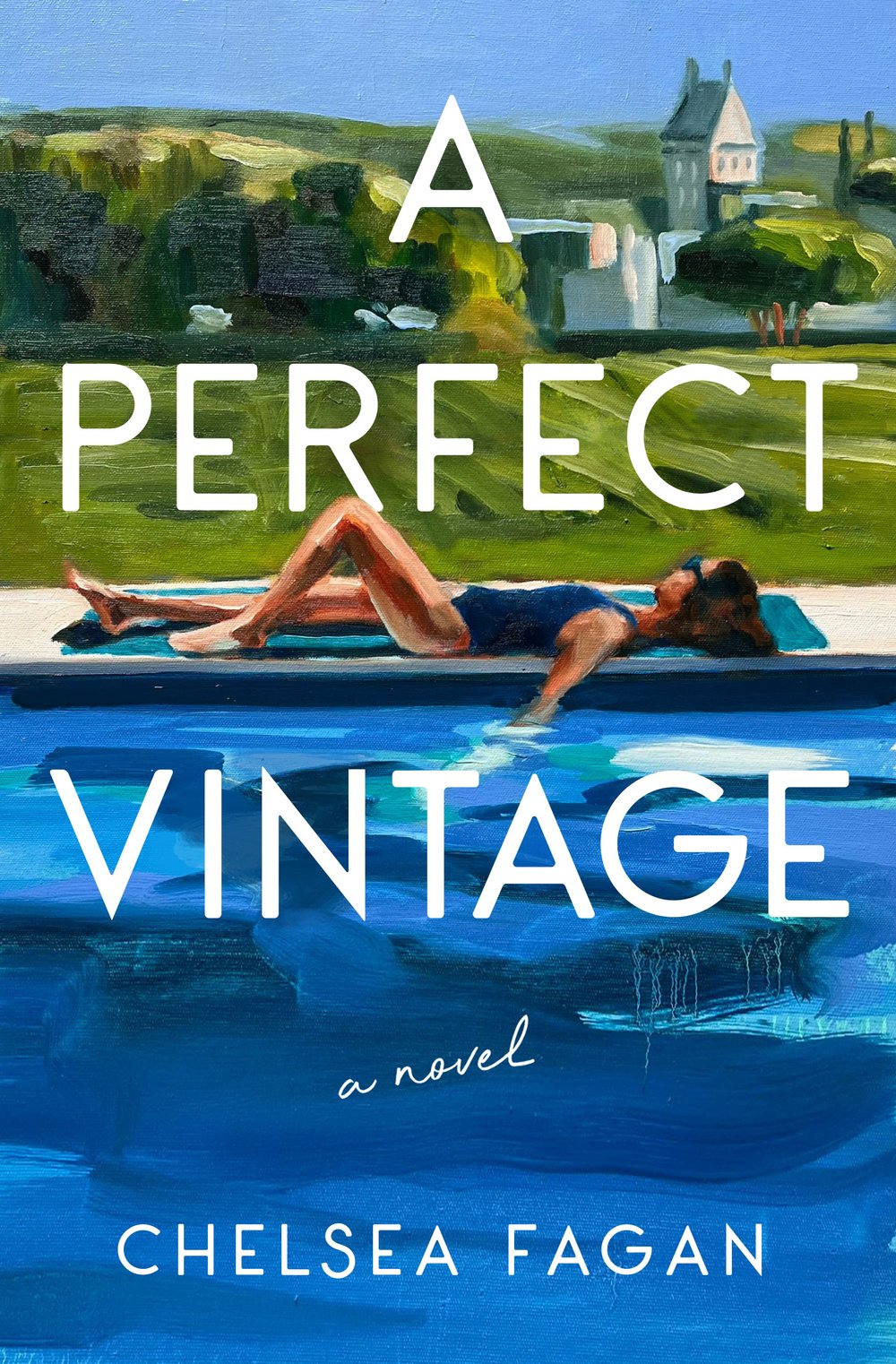
Having previously published nonfiction, Chelsea Fagan knew she’d need to tap into a new audience with her novel. Creating an author platform is no easy feat, and in this interview Chelsea shares more about how she pivoted to reach fiction audiences with organic, authentic efforts.
What were your initial goals in listing A Perfect Vintage on NetGalley? Did those goals change or evolve over time, and if so, how?
My initial goal was to reach a wider audience with my novel – since my previous books and current platforms are in the nonfiction space, I wanted to find new readers in my new genre (romance) in an organic and mutually beneficial way. This didn’t particularly change with time.
A Perfect Vintage is your debut novel, but it’s not your first book. How did your prior experience inform your independent publication process this time around?
I’m very familiar with the publishing process, and have always been extremely hands-on with my other books, even when traditionally published. So I basically knew how I wanted to do everything, and really enjoyed the ability to have control over the creative and marketing decisions.
A Perfect Vintage was named a 2023 Harper’s Bazaar Best Beach Read, received praise from bestselling authors like Ashley C. Ford and ST Gibson, and was covered in BookRiot and The Skimm, among others! What role did you as an independent author play in securing media coverage for A Perfect Vintage?
I’m lucky that I’ve worked in media essentially my entire career, and I have a fabulous marketing partner with whom I’m profit sharing on the book, so between the two of us we were able to secure a lot of really organic, authentic media coverage between people we knew or had worked with over the years. I took a lot of care in sending out galley mailers with personalized notes and ribbons, even doing themed gift boxes for some recipients – and though that whole process took a lot of time and energy (and standing in line at the post office), it was hugely worth it. People respond to authentic creative enthusiasm.
What strategies, tools, or features in your NetGalley client account did you find most useful in turning NetGalley members’ impressions and requests into Feedback and reviews?
I found it to be quite seamless all around, but I did like being able to see a bit about the profiles of people requesting – if they’re someone who doesn’t at all read my genre typically, that person might be a lower priority than someone who is a big fan of the space.
Now that A Perfect Vintage is published and out in the world, do you have new or additional goals while you continue using NetGalley as your title is still active on the platform?
Making sure it has as wide a level of visibility as possible with booksellers and librarians!
As we alluded to earlier, in addition to your work as a novelist, you are the founder and CEO of The Financial Diet. How did founding and running your own business prepare you for your debut novel’s publication?
I’m very organized, thorough, and single-minded when it comes to pursuing professional and creative projects I’m passionate about. I understand media, I understand creating healthy business models, and I know what I can afford to invest (both in terms of time and money). I also enjoy a four-day workweek at my primary job, so I was able to dedicate regular time to this project without overwhelming myself.
On a personal note, I am obsessed with your cover image! Could you tell us a bit about it? Who was the artist? Did you go through multiple drafts?
Thank you! It’s an original oil painting that I commissioned from the artist Elizabeth Lennie (whose work I love, and whose paintings have previously been licensed for books such as Every Summer After). I hope to continue working with her throughout my romance career, as the cover has been such an integral part of this book’s success!
A Perfect Vintage was selected for free Homepage Placement on NetGalley about a month and a half before its publication. Two weeks later, it was a Featured Title on NetGalley in the Beach Reads (Fiction) theme. What effect did NetGalley Promotions have on your book’s performance?
It automatically reached a much wider audience – when I began this process, I was very reliant on my own platforms, which luckily are sizable. But those features especially allowed me to meet readers who weren’t previously aware of my work.
I understand music was a key influence for A Perfect Vintage — it has its own playlist! How has music shaped your writing?
In every way! As my primary work is more serious, educational content about finance, I want my romance work to be purely about vibes! Enjoying myself while writing is of the utmost importance, and having a fabulous playlist to accompany the process is essential to maximizing the joy. (And people have really loved it, about 1,500 people have saved it on Spotify alone and a lot of people have told me it’s been their favorite summer playlist – I’m honored!)
What’s next for you? What do your readers have to look forward to?
Really exciting things are happening over at The Financial Diet – a fall tour (the theme will be money & love, tying together my two big focuses this year), a totally revamped video series, etc – and then I’m starting work on my next summer romance, which I’m excited to place on NetGalley as soon as it’s ready!
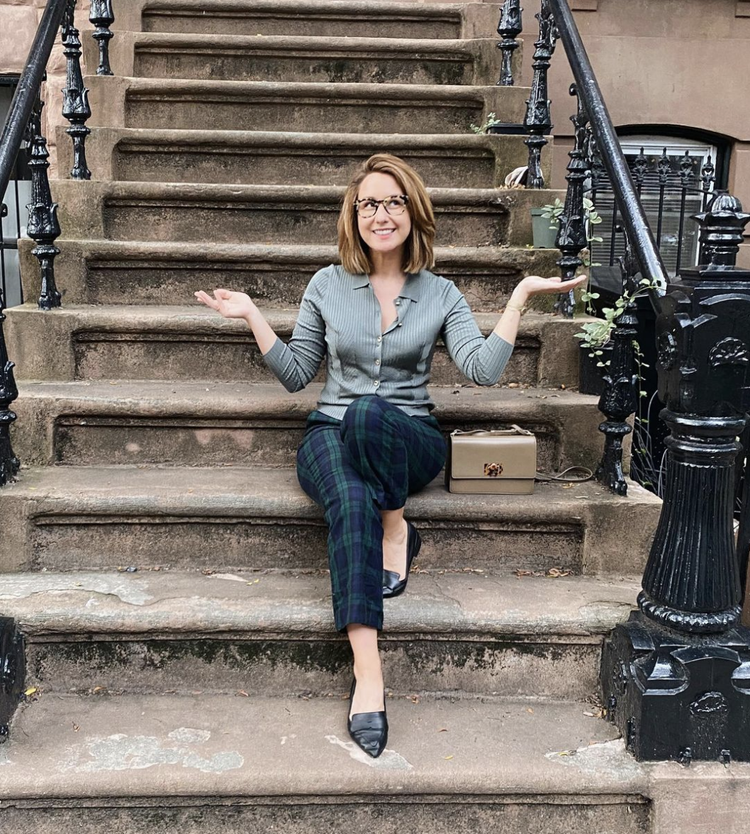
Chelsea Fagan, author of A Perfect Vintage
Chelsea Fagan is a writer, home cook, and the co-founder and CEO of The Financial Diet. She lives in Manhattan with her husband and dog.
Why a self-published, New York Times bestselling author didn’t tell her audience her latest book was on NetGalley
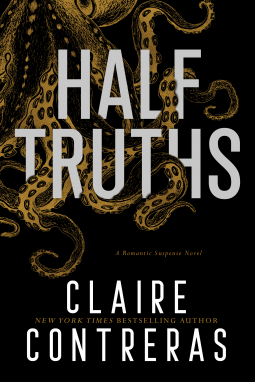
Author of the New York Times bestselling Hearts series, Claire Contreras, had never considered using NetGalley until she was getting ready to share the first book of her new series, Half Truths. When most authors use NetGalley, they use it to broaden their reach to new audiences and engage more deeply with the readers who are already following their work. Claire Contreras did something completely different. She didn’t make any announcements to her social following or newsletter subscribers about her latest book being on NetGalley – instead, she’s using it exclusively to find new readers.
In this case study, Contreras shares her unique NetGalley strategy, plus her perspectives on self-publishing versus traditional publishing and how she uses social media to connect with her audience.
I’d seen my friends who are published traditionally on NetGalley in the past and figured the publishing houses must have a good reason for using NetGalley, I just didn’t think it was something available to me. I spoke to a friend of mine who’s hybrid (traditionally and self-published) and she told me a lot of librarians read her books via NetGalley and that sold me on it. Before that conversation, I didn’t know how to reach librarians. Once I got on [NetGalley], I realized it wasn’t only librarians, but also media and educators as well as bloggers I wouldn’t normally have reached. That was when I realized NetGalley was a brilliant concept.
I spoke to a friend of mine who’s hybrid (traditionally and self-published) and she told me a lot of librarians read her books via NetGalley and that sold me on it. Before that conversation, I didn’t know how to reach librarians.
How did you get the word out to your audience about your NetGalley listing?
I didn’t. I used NetGalley solely for people I couldn’t reach myself. I feel it really puts the book in front of people who otherwise wouldn’t have seen it. I wanted to get more attention from librarians, media specialists, editors, and [other] people who don’t normally read me.
One of the reasons I didn’t announce to my readers that my book was on NetGalley was that I wanted to see how many new readers I would gain from the site. I was pleasantly surprised that a lot of the members had never read me before, as that was one of my initial reasons for turning to NetGalley. I have incredible readers, but there’s always room for more. I think in this particular case, the cover drew a lot of attention.
[I was most surprised by] the amount of people that requested the book. I was in complete shock to see Half Truths on the front page of most requested for weeks!
Half Truths is going to be part of a series. How are you using NetGalley to build anticipation?
With Half Truths specifically, I knew from the start that I would turn it into a series of standalones (standalone books in the same “world” – academia, different secret societies).
Because I’m using it as a promotion tool for the series, I’m approving a specific group of people. When I get closer to releasing information about book two, I’ll give away a lot more copies to readers (non-librarians/media) for reviews. I like to test things out and give it time to settle so I can see what’s working and what’s not.
I [also] have a mailing list – a snail mail list – that I put together when I was promoting the first book and I fully intend to use it again to send clues out in the mail to my readers as to what they can expect.
I believe pre-marketing and post-marketing are both powerful. However, I hope to have my next book in this series up on NetGalley a lot sooner than the first.
You are both a self-published and a NYT-bestselling author. Tell us a bit about why self-publishing is right for you.
When I first decided to publish, I fully intended to go the traditional route. My college professors and mentors were completely against me self-publishing, and I understood why. It was frowned upon and not something we completely understood. I decided to take a chance and self-publish my first book on a whim, just to see what happened. I figured if no one read the book, I could always take it down and query agents. The book did better than I anticipated and I gained a pretty steady readership, so I stuck to it. It was unexpected, but so far the control and freedom [I’ve gotten from] being self-published has been great. That’s not to say I wouldn’t go the traditional route. I would definitely love to work with traditional editors and be with a traditional publisher when the time is right.
The control and freedom [I’ve gotten from] being self-published has been great. That’s not to say I wouldn’t go the traditional route. I would definitely love to work with traditional editors and be with a traditional publisher when the time is right.
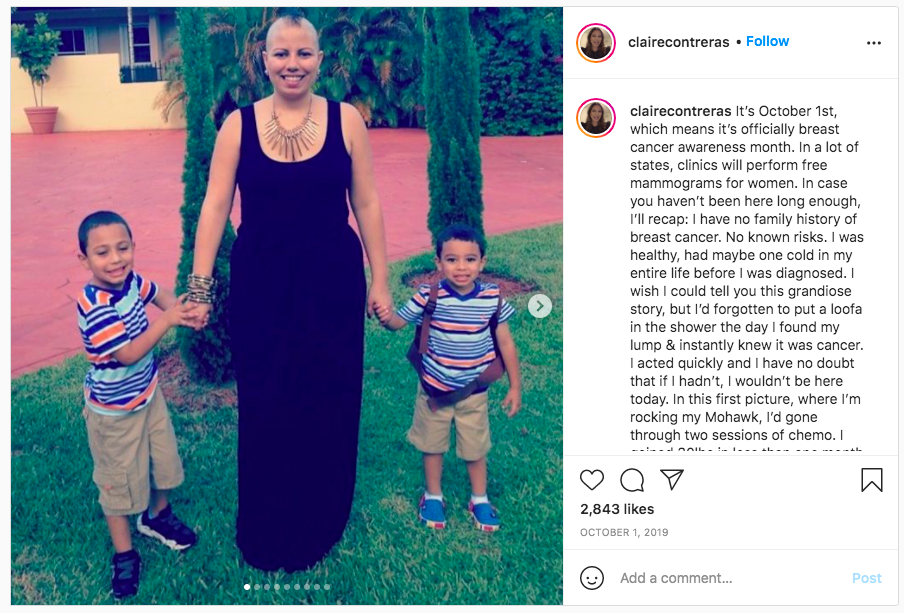
I use social media as a get-to-know-me tool. I find that a lot of people follow me there because they want to know what I’m doing or what my thoughts are on certain things (as random as they may be). I’ve also built a following from my cancer journey, which I shared from the time I was diagnosed in 2014 to today. I keep them up to date with my health and some of my personal life because I think it’s important for people to know that they’re not alone. Sometimes it’s hard to conceive that others are going through struggles when you see them smiling all the time in pictures, so I keep it real with them.
What (or who) are the resources you go to to keep up with industry trends and to make your books as polished and professional as possible without the infrastructure of a traditional publishing house?
I don’t follow trends. I write things that I can’t stop thinking about and try to package them in a way that’s appealing to the masses, but as far as trends go, they are constantly changing and I can’t keep up with most of them so I try not to pay attention to them. I pay attention to the things I can control, which means making sure I have good editors, proofreaders, and cover designers.
When can members expect to see the next book in the series on NetGalley?
I don’t want to say much because I don’t want to spoil it, but I will say . . . You’ve been summoned 😉
Claire Contreras is a New York Times bestselling author who
traded her psychology degree to write fiction. Don’t worry, she still
uses her knowledge on every single one of her characters. She’s a breast
cancer survivor (x2), who was born in the Dominican Republic, raised in
Florida, and currently resides in Charlotte, NC with her husband, two
adorable boys, and French bulldog.
*Interviews have been edited for clarity and length.
As a self-published author, you might think that the hardest part is over once the book is complete. But once a book is ready to go out into the world, it still deserves the same level of attention and care that you gave it throughout the writing, revising, proofreading, and design process. As an author, you might not have formal marketing or publicity training, or the budget to hire someone who does have that kind of experience. But you can still give your book a professional launch.
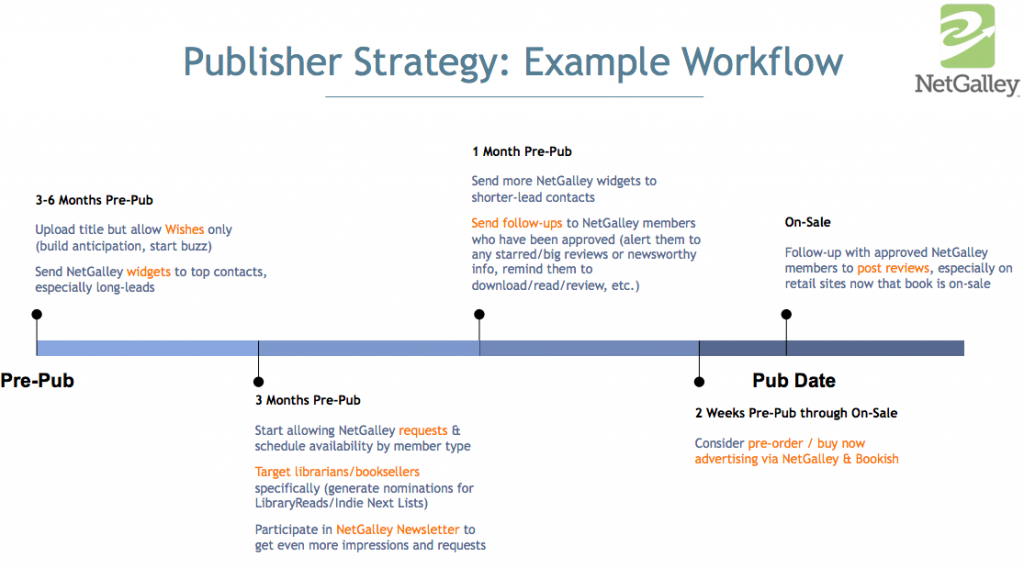
While every book is unique and will have slightly different goals and timelines, we’ve used our experience working with everyone from indie authors to the largest publishing houses to develop a framework that you can use to guide your own unique launch strategy. You can also download this launch schedule.
The most important takeaway from this timeline is to plan your promotions a few months before your pub date to create ongoing and increasing excitement for your book.
Different contacts should be given access to your book at different times, according to their needs. For example, any major media contacts will need a much longer lead time than a Goodreads reviewer or BookTuber. Plus, if you can secure early media attention, it’ll be easier to get interest from those consumer reviewers. Work towards getting some early blurbs, and then use those blurbs to bring in new readers, on NetGalley or elsewhere.
And once you have made initial contact with these different kinds of readers – consumer reviewers, digital influencers, librarians, media, and booksellers – be sure to follow up with them right before pub date. Put your book back on their radar, encourage them to share their reviews on retail sites and with their audience, where applicable.