Utilizing Your NetGalley Word Cloud for GEO, Metadata, and More
When it comes to book marketing, publishers aim to predict and craft the perfect description. But readers may have a different impression of a book’s positioning. The specific, and sometimes unique, ways that readers describe a book give marketers an opportunity to align the messaging so future readers can discover it more easily.
Here are some ways that marketers can use the NetGalley Word Cloud* to ensure SEO and GEO, all while updating keywords and positioning to ensure maximum discoverability for both frontlist and backlist titles.
Support your GEO Strategy
As AI-powered search and discovery tools become more common, understanding reader language is more important than ever.
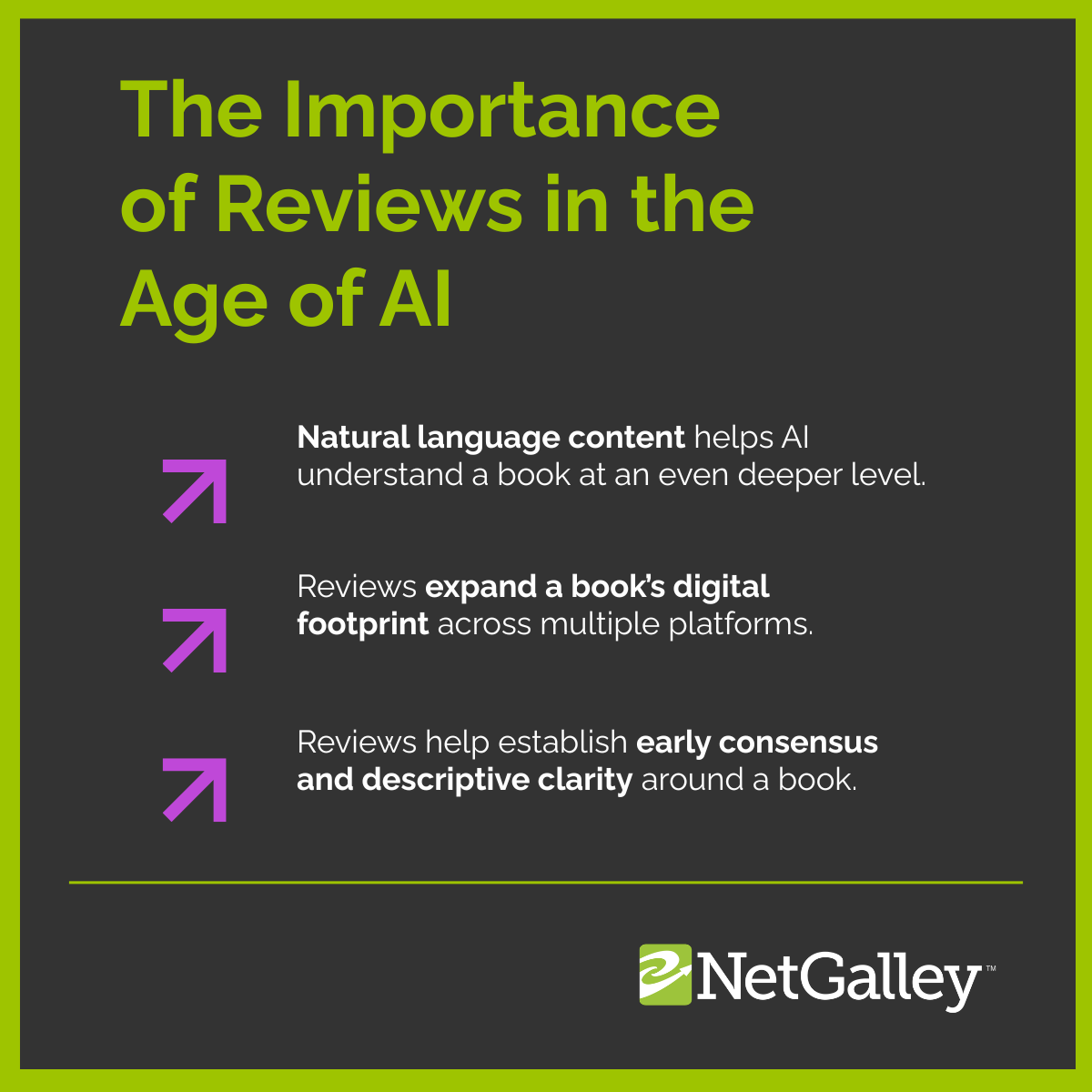
Generative Engine Optimization (GEO) focuses on helping AI systems understand and surface relevant content. Unlike traditional keyword optimization, GEO relies heavily on context, sentiment, and natural, more conversational language – making real reader reviews the perfect way to inform your GEO strategy.
Instead of the selling points and key words we’d historically use to try to win a book over to an audience— “New York Times Bestseller,” “10,000 copies sold,” “Being made into a movie,” GEO looks for unique language from online sources to provide the best possible answer for readers’ desires. Reader reviews are those sources of authority and authenticity.

The image to the right is a real life example, showing GEO in action from one of our team members:
Prompt: “Can you recommend some books that are close to the City of Brass series? I like the scope, the world building and the fact that the romance is a secondary plot. Must be fantasy, bonus if it’s historical too!”
The Word Cloud tool provides at-a-glance insight into this type of authentic language readers use to describe a book, offering publishers a valuable source of audience-driven terminology. “High fantasy epic”, “multiple viewpoints”, and “Western and Eastern-inspired dragon lore” are all words and phrases that readers may supply. These recurring descriptors are already perfectly suited for AI comprehension, and can help inform book descriptions, marketing copy, and metadata that align more closely with how readers and AI discovery tools understand a title.
When you notice recurring terms in your Word Cloud, make sure they are included in your book description and metadata so AI engines understand this authority from your own website and product pages.
Spot Language Patterns
Publishers often develop metadata, keywords, and marketing copy before a book reaches readers. Once reviews begin coming in, however, readers may describe the book in unexpected ways.
Perhaps a title you’ve positioned as middle grade is actually being described by readers as “YA”. Maybe a mystery title is frequently called “atmospheric” or “twisty.” These “mood words” can reveal which aspects of a book are resonating most strongly with readers.
The Word Cloud makes these patterns easy to spot at a glance, helping you identify audience-generated language that can be updated in your own book metadata to strengthen discoverability efforts.
Give Backlist Titles New Life
Backlist marketing remains one of the biggest opportunities for publishers, but it can be challenging to find the time and resources to devote to a refresh.
The Word Cloud offers an easy way to revisit older titles with fresh eyes. By examining the language readers consistently use, publishers may discover new positioning opportunities, identify overlooked themes, or uncover new connections to current market trends.
For example, a novel published several years ago may contain themes or tropes that have become significantly more popular since its release. Updated keywords can highlight those connections, and help retailer algorithms surface your backlist title more frequently.
The NetGalley Word Cloud
NetGalley reviews provide more than social proof. They offer direct insight into reader perception, and the Word Cloud distills this insight into easy-to-use data.
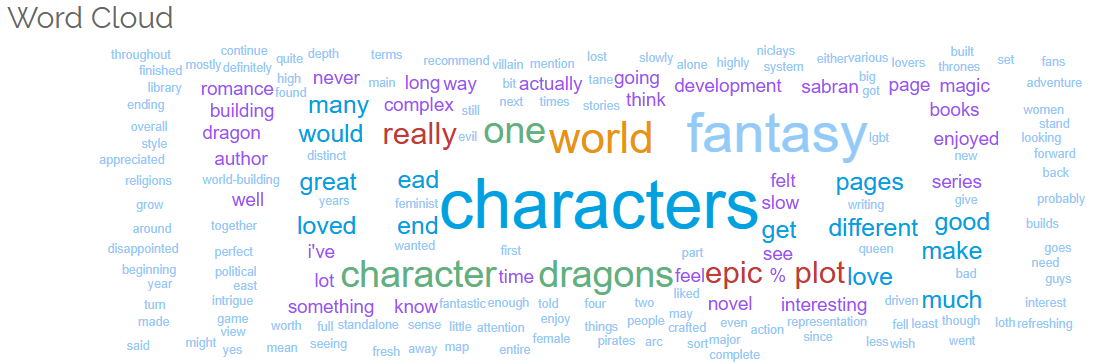
Available for all NetGalley subscription clients, the Word Cloud appears on the Title Feedback page once a title has received sufficient review activity. Publishers can also download a Word Cloud Report to explore the complete list of reader-generated keywords and their frequency, which is easily sharable. Read more about where to find this tool in your account here.
* The NetGalley Word Cloud gives publishers a quick, easy-to-use snapshot of the words that appear most frequently in member reviews. Generated from real reader feedback, the Word Cloud highlights the language readers naturally use when discussing a book, helping publishers better understand audience perception and uncover new opportunities for discoverability.