7 Tips on Polishing Your Query from a Senior Literary Agent

As a Senior Agent at the Nancy Yost Literary Agency, I’ve read and reviewed thousands of queries. Yes, thousands, and possibly tens of thousands! Since my query inbox first opened, I’ve had the opportunity read some amazing queries, and some that could have benefitted from the following these tips on polishing and personalizing your query.

1. Send individualized queries

It will take more time, but this is an important relationship. You are hopefully going to be partnered with an agent for years, so just like with any other long term relationship you want to build strong foundations. This means at the very least addressing the agent by their name with the correct spelling and with the correct title if you choose to [address them by their] surname.

Additionally, if you happen to typo, that’s okay, it happens! Feel free to follow up with a quick correction after you hit send. Or if you’re querying via a portal, you should have the ability to withdraw your submission and then re-submit with the corrected form of address.

I promise you it will be worth it.

2. Read lots of query letters

To the Google!! Authors writing in all kinds of genres have shared their query letters, and agents have also shared sample query letters. Find them. Read them. The more you read the more you’ll be able to sort out what format would work best for your book and your genre.

Also note that while their are similarities between fiction and nonfiction queries, they are different.

3. Query letters are like the writer’s version of the middle school five-paragraph essay Here’s a quick cheat sheet of what each of those five paragraphs can contain. Remember, you can shorten as you see fit and [be sure] to personalize it.

Introductory Paragraph: This should introduce yourself and your work. Be sure to include genre and word count.

Three Body Paragraphs: You don’t have to have three, but I find it’s a solid set of paragraphs for you to talk about your book. Try to hone this “about section” think of it as similar to the text you can find on the back of a book’s cover or on the flap of a dust jacket.

Conclusion Paragraph: This closing paragraph is where you can share a bit about yourself. Think of it as your bio. Feel free to include any accolades for your writing that you might have, any professional writing organizations, or fun facts. Also include how you can be contacted if you haven’t included that info in a signature block, or some submission form.

4. Less is more

I know it may be tempting to share as much as possible about your work, but I always say that if an author could share everything they wanted in a pitch about their book then why would they then write an 80,000 word novel? So, know that we want to get to your book and your pages. Don’t keep us hostage in your query letter! Instead, use your query letter as a springboard for us to dive into your book and/or submission materials. Your pitch should pique interest and lead the reader (agent or editor) to you pages! Ultimately your book, your work, your story is what’s most important.

5. Have a friend, family member, or colleague read your query

Be open to editorial feedback. It is helpful to have someone familiar with the querying process to proofread your query letter. But, no matter what, another set of eyes will help catch the small things like the typos that our brains like to gloss over. And then, thoughtfully consider their feedback. Ultimately, you have to make the final decision on what you are going to send out, but most of the people you ask for help aren’t making suggestions just for the sake of it. Really consider their edits, and be sure to appreciate and value the time they’ve taken out of their day to spend on reviewing your query letter.

6. Ask a critique partner to help you draft a query letter

Oftentimes it’s difficult for an author to synthesize their work into a one-page pitch. If you have a trusted critique partner, they can sometimes help draft a few paragraphs to get you started. Of course, you might then owe them chocolate or whatever delicious treat they might desire. But this is an option I’ve had several of my authors mention they used when querying me! Seeing how others frame your work after reading and working on it with you might be helpful. You should never pressure or guilt critique partners or beta readers into helping you draft your query. Ask. And if they decline, that’s okay!

There are also freelance editors out in the world that might also offer these services, and you can totally pursue those options as well. But when money is involved and exchanging hands that’s a personal choice. And always make sure you vet any freelancers you might choose to work with. Do your research, folks!

7. Make sure that when you’re submitting to an agent that they do indeed work with the type of projects that you’re sending

While an agent might seem really cool in interviews or on social media, you’ll be wasting their time and your time by querying them with a project that they do not work on. Save yourself!

Good luck!

Sarah E. Younger, Senior Agent, at the Nancy Yost Literary Agency began her career in publishing at Press53 in Winston Salem, N.C. after receiving her undergraduate degree from UNC-Chapel Hill. She later attended the University of Denver’s graduate publishing program where upon completion she moved to New York City.  Sarah joined the Nancy Yost Literary Agency in the fall of 2011 and has since cultivated a diverse and talented list of authors including a variety of commercial fiction and select non-fiction titles. She is specifically interested in representing all varieties of romance, women’s fiction including chicklit and romantic comedies, adult science fiction and fantasy, and very select non-fiction. You can find her on her personal Twitter @seyitsme. Learn more about the Nancy Yost Literary Agency including how to query Sarah by visiting the NYLA website.

Divider

Connecting with Bookstore Book Clubs

One of the most powerful ways that a bookstore can compete with digital retailers is by providing something that the algorithm can’t – community. Bookstores host author talks, children’s storytime, and more. Many bookstores also host book clubs as a way to bring in new customers and to cultivate a vibrant atmosphere.  

Some publishers are already working with bookstore-based book clubs and learning about their needs, but we hope that more will take the time to cultivate relationships with indie bookstores through their book clubs.

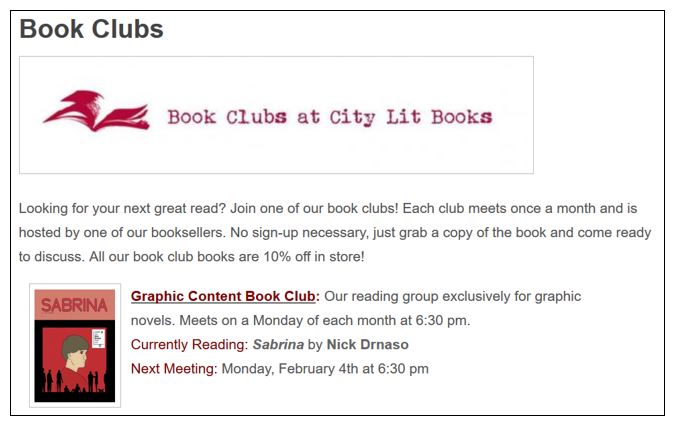
These bookstore book clubs draw in new readers who become regular customers and active members of the community. Book clubs help readers find out about new genres and new authors that they may not have been previously exposed to, with picks curated by experienced readers. For example, Bella De Soriano joined City Lit’s Graphic Content book club in Chicago because she saw a flier while she was shopping. She wasn’t a big graphic novel or comic reader before but saw it as an opportunity to expand her reading horizons and get connected to some of her neighbors.

When indie bookstores have to compete with the ease and convenience of online retailers, being able to create in-person points of connection is crucial. According to City Lit owner Teresa Kirschbraun, the bookstore’s book club programming has resulted in not only friendships outside of the clubs, but an engagement!

In addition to fostering community, these book clubs help stores gain more loyal customers and build a more dynamic events calendar. Some of the other book clubs at City Lit include the Wilde Readers Book Club for LGBTQ lit, Found in Translation, Women Write Books, Weird and Wonderful Book Club for speculative fiction and fantasy, the Subject to Change Book Club featuring coming-of-age stories, and more. City Lit encourages book club members to purchase through their store by providing a discount to members who have an account with the store.

While many privately-run book clubs function as social gatherings as well as literary ones, book clubs that operate in bookstores are a different beast. Often, they have clear leaders and facilitators who are, in most cases, booksellers themselves. Since joining the Graphic Content book club, De Soriano has taken over some of the organizing of the club. This includes purchasing copies for the book club members and working with City Lit to schedule meeting dates.

Book club leaders think and talk about books for a living, so their relationship to book club picks looks a little different from “civilian” book clubs. They are more plugged into the wider publishing industry, with better understanding about trends that readers are enjoying and knowledge of new titles on the horizon.

Book club leaders at City Lit find titles using industry tools like book awards, as well as keeping tabs on releases from publishers whose work they already like. Kirschbraun explains, “For Found in Translation, [the leader] will review information from publishers of translated books, [like Open Letter Books and New Directions Publishing]. She also looks at other translations by favorite translators. Other booksellers rely on lists of books that have been longlisted or won awards.  Some review modern canon lists. For Women Write Books, the book club leader finds lists of diversity such as women of color or queer women authors.”

Additionally, bookseller-led book clubs tend not to use reading guides. Book club leaders at City Lit look for interviews with the author, book reviews, and find coverage from news media such as Bustle or Huffington Post.

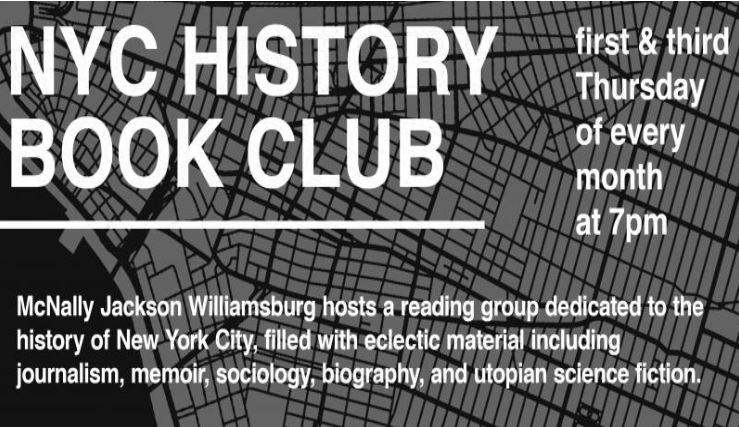
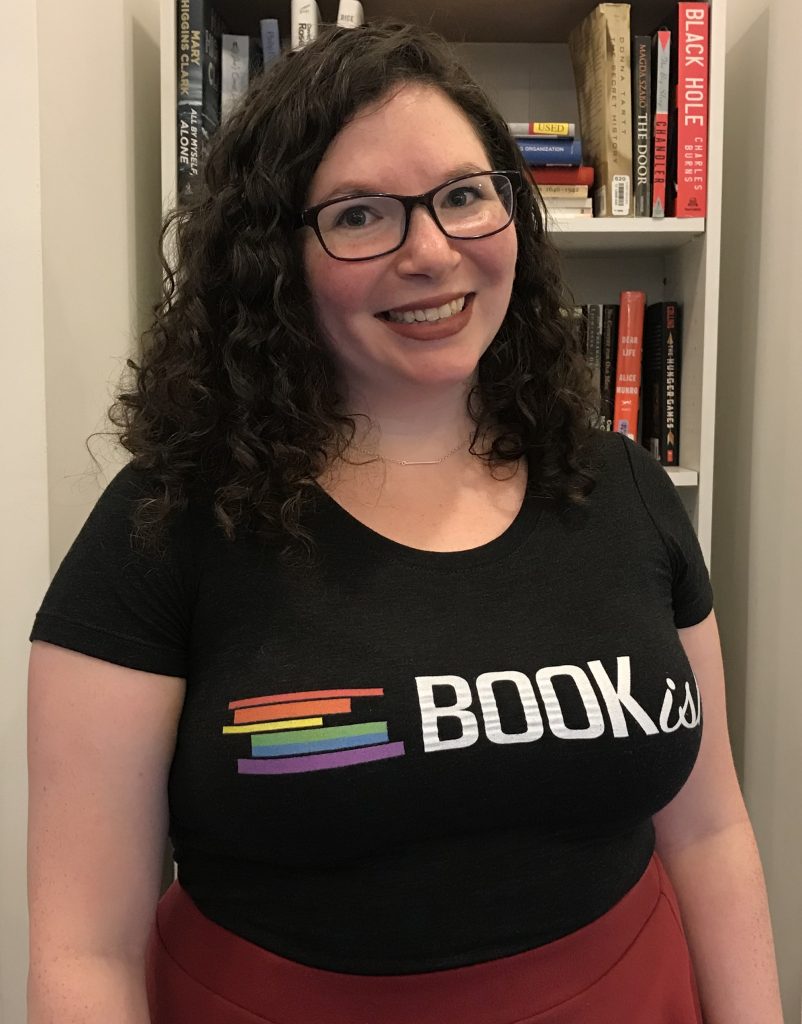
Cosmo Bjorkenheim, who leads the NYC History Book Club at McNally Jackson’s Williambsurg location, agreed. “Mostly any outside material has been supplemental, like an exchange of letters between Robert Caro and Robert Moses right after the publication of The Power Broker, an open letter from Jane Jacobs to Michael Bloomberg from 2005, some maps, some movie clips… Bibliographical information is often useful, as are footnotes and indices. These are helpful for digging deeper into topics mentioned in a book but not elaborated upon.”

While Bjorkenheim does not currently work with any publishers directly for his book club, he hopes to do so for the next book club that he and his colleague will host, the Movie Adaptation Book Club. Interested publishers can email him at Cosmo@mcnallyjackson.com. “We plan on structuring this club a little more carefully, with screenings scheduled between meetings and some kind of thematic arc guiding the readings. There will be more of an emphasis on supplemental materials and something like a “lesson plan” for each meeting.”

Kirschbraun has made a point to tell her reps from publishers about the book clubs at City Lit so that the reps can suggest upcoming books that might suit the booksellers’ and the clubs’ interests.

Check out these other bookstores with robust bookclub programming:

We hope that more publishers will make an effort to get to know the book clubs that exist in the bookstores they work with. Talk to the leaders, learn what kinds of titles their members are most interested in and what sorts of supplemental information would make for a richer discussion.

Divider

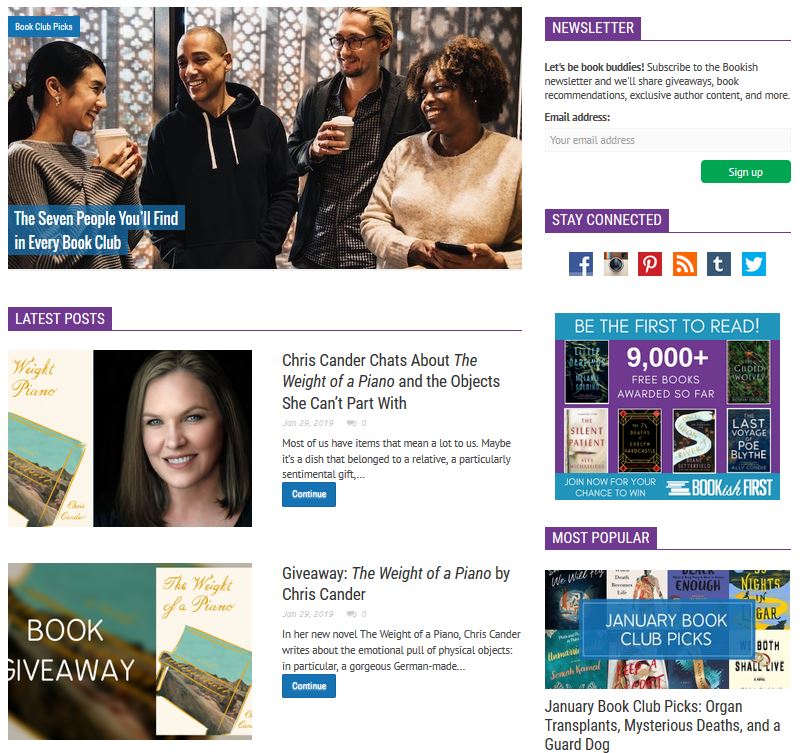
How to Pitch: Kelly Gallucci, Executive Editor of Bookish.com

Kelly Gallucci is the Executive Editor of Bookish.com, where she oversees Bookish’s editorial content, offers book recommendations, and interviews authors like Colleen Hoover, Leigh Bardugo, V.E. Schwab, and Julie C. Dao.

As the editor of this popular site, she gets pitched a lot of books to consider for features, interviews, inclusion in lists, and the like. Below, she shares some tips about how to approach pitches, based on her experience receiving them.

Give us a sense of the volume of pitch emails you receive. How do these fit into your overall workflow and help you build your editorial calendar?

My inbox is my personal Everest. I’d estimate that I receive roughly 100 emails a day, give or take, though not all of those are pitches. There’s definitely an ebb and flow depending on the day of the week and the season of the year.

Our editorial calendar is first shaped by recurring features (such as our book club recommendations, monthly Bookish bingo, and our seasonal roundups). The next step is to fill in any features that our team wants to work on. While writing those in, we leave room for articles inspired by publicity pitches, such as interviews and author guest posts.

Sometimes books pitched to us will fit into features we’re already crafting (a romance book pitched while we’re writing a holiday romance listicle), or they’ll inspire features we want to work on in the future. I also like to leave room for author guest posts, where authors share a short essay or a list of book recommendations. This gives our readers more insight into the author and their work, and lets us profile their book more directly.

What are the most successful ways that people have contacted you with a pitch? What are pitfalls that might make a pitch less successful with you? Feel free to include specifics.

The best pitch emails are the ones where a publicist shares an idea for an author guest post or predicts the kind of content the book would be best suited for. This makes it easier to envision where the article would fit into our calendar.

As for pitfalls, the big one is pitching us for content we don’t feature. For example, I receive a lot of pitches asking for us to review a book, but we don’t do book reviews on Bookish. Similarly, I receive a lot of requests for interviews. Interviewing authors is one of my personal favorite parts of my job, but they can be tricky for our audience. You have to work twice as hard to motivate a reader to click into an interview with an author they’re unfamiliar with. If an author has a strong online community, we can tap into that. If not, I’ll often see if the author is available for a different type of feature instead. A lot of this depends on the author’s availability, but I always appreciate publicists who are willing to think outside of the box with me when it comes to how to feature books.

Describe the relationships you have built with publicists and authors who regularly pitch you. How have publicists been able to earn your ear and your trust?

I’ve had the pleasure of working with so many brilliant and talented publicists over the years. Their creativity and drive never cease to amaze me.

The ones I rely on most are the ones who take the time to truly understand Bookish. They read our articles. They know the content we do and do not cover. They pay attention to the genres we feature most frequently. Basically, they do their homework. As a result, their pitches are refined and reflective of the content that does well for Bookish. When I see an email from them in my inbox, I know the book they’re pitching will be a good fit for us.

I also always appreciate the publicists who ask questions, especially if we haven’t had the opportunity to work together for long. I’m always happy to hop on the phone or fire off an email that can explore in detail the kind of content we cover, what does and doesn’t perform well, who our audience is, and more. When I receive a pitch, I’m never just thinking about the book. I’m considering all of those other factors too.

When digging through your inbox, what kinds of subject lines catch your eye? What details are important right up front?

I think the best subject lines are concise and direct. In my inbox right now, there’s an email with the subject “Cover Reveal for Bookish.” That’s excellent. I know exactly what I’m clicking into, and it alerts me to the fact that this is a more time-sensitive email. Another one I’ve spotted is “February’s Most-Anticipated Read” followed by the book title and author name. I now know the book, the time frame, and the angle.

On the other hand, I see a lot of emails that try to offer too much information upfront. An example from my inbox at the moment would be “New Standalone Novel From NYT Bestselling Historical Fiction Author” and the rest of the subject (the book title, author’s name) are cut off. The lede is buried here, and at first glance all I really know is the genre.

How do you feel about follow-ups from publicists? Is there a timeframe that works well for you if they haven’t heard back? What is important to you in a follow-up from a publicist?

My inbox is a dragon and it hoards emails like they’re gold. Follow-ups often work really well for me because they help to bring the email back to the top of my inbox.

The ideal timing varies. I don’t mind if a publicist follows up on a time-sensitive email the following day. For general pitches, following up a week or even weeks later is helpful, particularly if the pub date is still a healthy distance away.

A longer time between follow-ups also means that there’s more potential for new information to have come out, and that’s something I’m always looking for in those emails. Has anything changed since the first pitch (news, reviews, blurbs, etc.)?

What is one pet peeve (or pet pleasure!) that you have about pitch emails?

My pet peeve is definitely when emails don’t contain enough information. It’s most helpful for me when the author, book title, genre, and pub date are as up-front and clear as possible.

I’ll also add, and this isn’t related to pitches, that it’s extremely helpful when authors list their publicist on their website. It’s one of the places we check if we’re looking to contact a publicist we haven’t worked with before, but most authors only list an agent.

As for pet pleasure, it’s always a joy to open an email where a publicist references projects we’ve worked on in the past, books I’ve enjoyed from them, and other personal touches. To be clear, I’m all for form emails. Publicists are juggling multiple books and authors, and I support anything that makes their lives a bit easier. But personal touches at the beginning of those emails are always just a nice thing to see during my day.

Follow Bookish on their website, and on Facebook, Twitter, and Instagram.

Divider
Divider

5 Book Design Trends to Remember in 2019

Like it or not, cliche as it is, we all judge books by their covers. An effective cover can convey a book’s tone; is it a lyrical meditation, a brash appraisal of contemporary life, a hard-boiled noir, or a fizzy modern romance? Book covers should give readers a sense of what they are in for  (unlike these misleading ones). Successful book covers will look modern without looking like a trend that will mark it as out of date by next year. To ensure that your titles look fresh and inviting for 2019 readers, we’ve rounded up some of our favorite trends in book design.

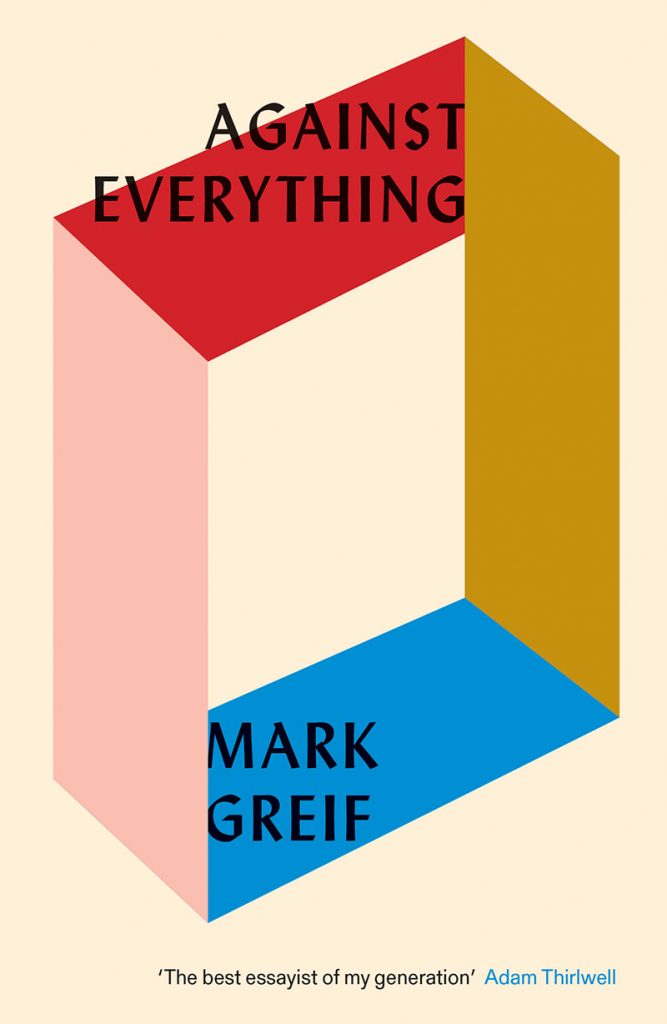
Lydian font

This font has been all over the publishing industry, gracing the covers of some of the buzziest books of recent years. Lydian dates back to 1938, giving it a well-earned timeless feel. Lydian has been successfully deployed in the service of essay collections, novels, non-fiction, and more.

Hand-lettering

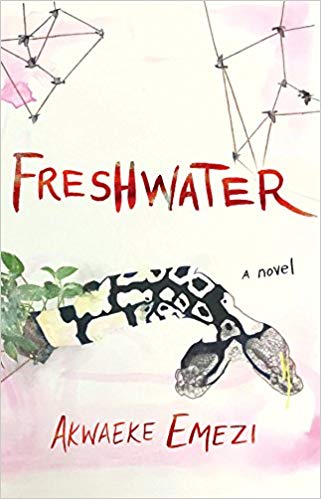
Hand-lettered covers give books an honest, lived-in feel. It connotes authenticity and vulnerability. It can also clue readers in to the emotional tone of a book while they browse. Sharp and angular scrawls can alert the reader to conflict, complication, and fracturing, as it does for Awaeke Emezi’s Freshwater and Mark Sarvas’sMemento Park. Hand-lettered titles can be intimate and authentic, which is especially important for nonfiction titles like I Can’t Date Jesus.

Vintage Nature Imagery

Using the visual iconography of an old encyclopedia or naturalist textbook gives a cover aesthetic gravitas. Covers like The Far Field look more established and timeless rather than trendy. Additionally, using vintage images of nature gestures to readers that the book will be about observation in some way. Lauren Groff’s Florida, with its vintage illustration of a panther, demonstrates to the reader that, like a naturalist observing animals, this collection of stories will feature close observation of creatures (human and otherwise) in their natural habitats.

Gen-Z Yellow (and, of course, still millennial pink)

To give your titles a contemporary feel, and to hit a demographic of late teens to late-20s readers, consider the ubiquitous, but still popular, millennial pink. Or, for a fresher feel, it’s younger cousin, Gen-Z Yellow. Both are bright and inviting, and look great on a social media scroll. Consider this color palette, especially if your book is about millennial or Gen-Z characters. Better still, combine them both like The Lonesome Bodybuilder. Bonus points if you can take a queue from Soft Skull Press and animate your cover to give it some extra oomph.

Illustrated portraits and bright backgrounds

Tracing back to Where’d You Go Bernadette and further, covers featuring an illustrated figures against a bright background is a great way to attract attention for your titles and to visually place them in conversation with other breezy contemporary titles that have used the same style. Great examples of this trend include The Proposal, The Matchmaker’s List, and the Crazy Rich Asians series.

Be sure to check out some of our favorite covers on NetGalley in our Cover Love on the NetGalley homepage to gain even more inspiration!


Divider

Case Study: Chilly da Vinci

How NorthSouth Books used timely subject matter, modern visuals, and Read Now availability to give pre-publication buzz to the story of an inventive penguin

On NetGalley Insights, we highlight the successes of NetGalley publishers and authors, and share some of their strategies. Today, we’re talking with Heather Lennon, managing director at NorthSouth Books.

Below, learn about how she used NetGalley to gather over 100 pre-publication reviews for Chilly da Vinci by Jarrett Rutland. Chilly da Vinci tells the story about a young penguin inventor, tapping into current trends in STEM education for young readers, as well as the maker movement, all with a modern and appealing visual style.

The market for children’s books is especially hot right now. What do you think is unique about this particular segment of the publishing industry, as it relates to marketing and publicity?

Picture book publishing is very interesting in that it’s a visual medium, art and story together. We highlight the illustrations and the story in every book. Right now, I think that is a huge positive as far as coverage in blogs, Instagram, online and in print review journals. For Chilly Da Vinci, Jarrett Rutland’s artwork is so fun and striking–it just pops off the page, so I think it’s very appealing to reviewers.

Where does NetGalley fit into the overall strategy and timeline for Chilly da Vinci?

NetGalley is very important to NorthSouth Books! We always offer our lead titles on NetGalley. We aim to offer them 3-6 months in advance of publication. It’s really helped us reach readers, grow our brand recognition, and amass reviews online.

Which segments of the NetGalley community were most important to you? How did you go about reaching them?

Asking who is most important is like asking my mom to name her favorite child! We love them all. I will say….librarians have been a big part of our publishing program forever. Booksellers are enormously important in the life of a book–we are small enough that we never take a book being in-store for granted. Bloggers, tweeters, instagrammers help us get out the word!  This is our world, and we’re lucky to be a part of it.

Chilly da Vinci is a Read Now title. Tell us why that was the right decision for making the title available widely to NetGalley members.

I don’t set a lot of hoops to jump through to get to our titles on Netgalley. I am thrilled that NetGalley members want to open the book. I truly believe, if you read our books, you will enjoy them, you will recommend them and review them. So Read Now is always my preference.

Most NetGalley members who clicked to read Chilly da Vinci listed the cover and the description as the reason for their interest. It comes as no surprise, given that the author is also the illustrator! Tell us about how you created compelling copy for the Title Details page.

It was important to everyone at NorthSouth that we convey that Chilly is a do-er, that this book would appeal to the maker movement. And that Chilly never gives up. And then in general, I think one of the most important things is clean, readable copy, especially online. It’s so basic, but it’s important to make sure that your info has uploaded correctly–not doubled or tripled or cut off in some weird way!

Tell us more about strategies you used to leverage your NetGalley listing outside the site.

Every book has a tip sheet that is fed out online. The sales reps use it to sell the book, and it gets uploaded to Edelweiss–which lots of bookstore buyers use for their job. Whenever we upload one of our books on to NetGalley that is a sales bullet that’s fed out to the world.

How will NetGalley be incorporated into your post-pub strategy?

We will be following up with everyone who reviewed Chilly with  a pre-on-sale newsletter with activities and info about Jarrett Rutland’s events. The book launch will be held at an ice cream shop in Asheville on Saturday, Dec. 8. We hope that NetGalley members who loved the book will attend.

What is your top tip for publishers to use NetGalley to its full potential?

Download the reviews and keep those members in mind as you work on future books. It’s not just seeing what people think about this book, it’s being able to reach out to them for the next book as well.*

*NetGalley recommends using the Detailed Activity Report or the Feedback Report to see which NetGalley members are requesting, reading, and reviewing your titles.

Heather Lennon is the managing director of NorthSouth Books.

Chilly da Vinci goes on sale Dec. 4. You can preorder it here.

Interviews have been edited for clarity and length.

Divider