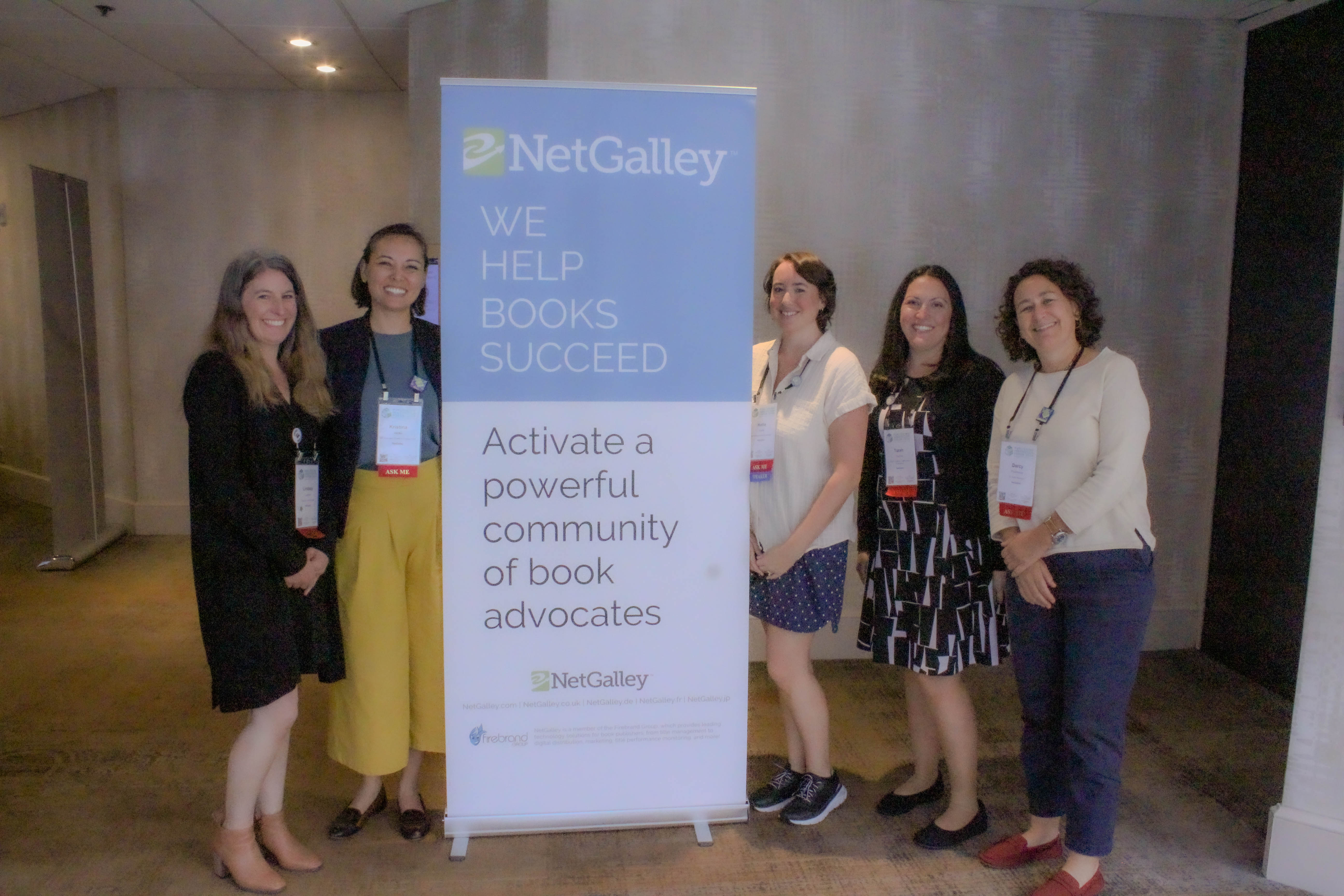
Publishing professionals from across the industry descended on Nashville, TN at the end of September to attend the Publishing Innovation Forum, hosted by the Firebrand Group. This premier in-person event was designed to unite individuals from various segments of the book publishing industry to share insights, explore new trends, and discuss strategies to adapt to a rapidly evolving publishing landscape. With approximately 150 participants, the forum encouraged collaboration and innovation, ensuring attendees gain valuable knowledge and connections to drive future success in the industry. Expert keynote presentations, and three dedicated breakout tracks for Business, Technology, and Marketing, resulted in lively conversation and important takeaways. For our audience at NetGalley Insights, we have collected some key themes and tips from the highly experienced speakers.

Session: Innovations in Book Promotion: Publicity Trends That Move the Needle
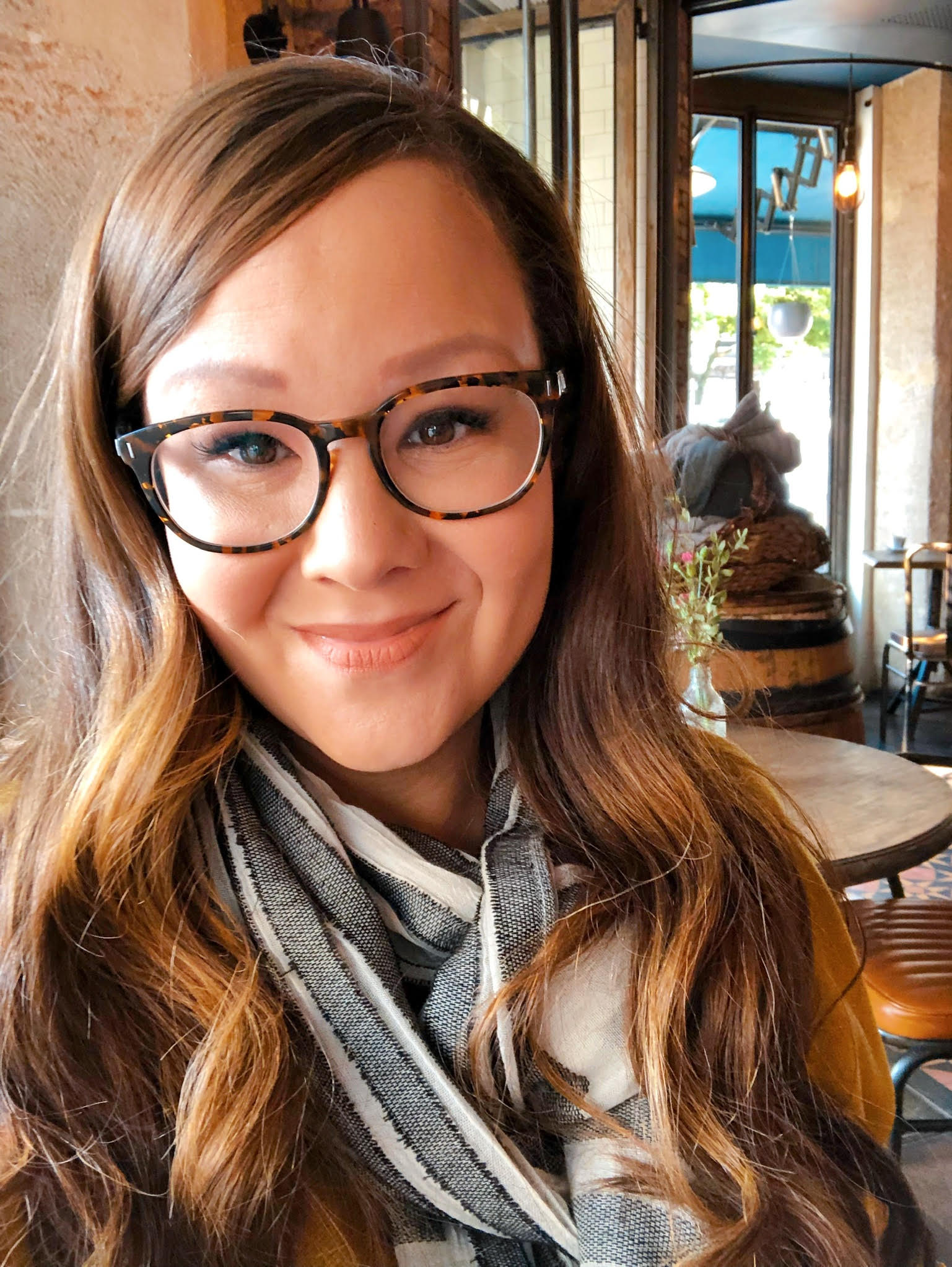

Speakers: Kimberly Sneed (Digital Media Director, PR by the book) and Marika Flatt (Owner, PR by the Book)
Kimberly Sneed and Marika Flatt of PR by the Book kicked off this session by explaining that the goal for publicity efforts is to drive author and book recognition, visibility, and overall exposure. The wider the name recognition in the world, the greater chance that book and that author have to build and grow. Exposure is extremely important in early promotional efforts because you are planting seeds for a long trail that follows, even into the backlist. Some important avenues for modern publicists to focus on include:
- Podcasts: There are hundreds of thousands of podcasts available. Find the right ones in both subject matter and audience for your individual authors.
- NetGalley and other platforms: Maximize title pages on every platform to include assets like videos, advanced praise, author pages or social media, etc.
- Social Media: Both presence and promotion matter. Identify and engage with niche, micro audiences, prioritize authenticity, align your messaging with their values.
- Immersive Storytelling Techniques: Design “expert” pages for your authors, create additional materials like exclusive content, serialized content, short videos, and adjacent narratives to drive engagement and customize media outreach.
One size does not fit all in book marketing and publicity. Step outside the box and don’t be afraid to try something new! No matter what, always connect and build on what you have. Sneed’s and Flatt’s approach is centered on flexibility, experimentation, and working closely with authors to tailor strategies to individual needs and audiences.
Session: Influencers vs. Community: Strategic Activation for Your Book Campaigns

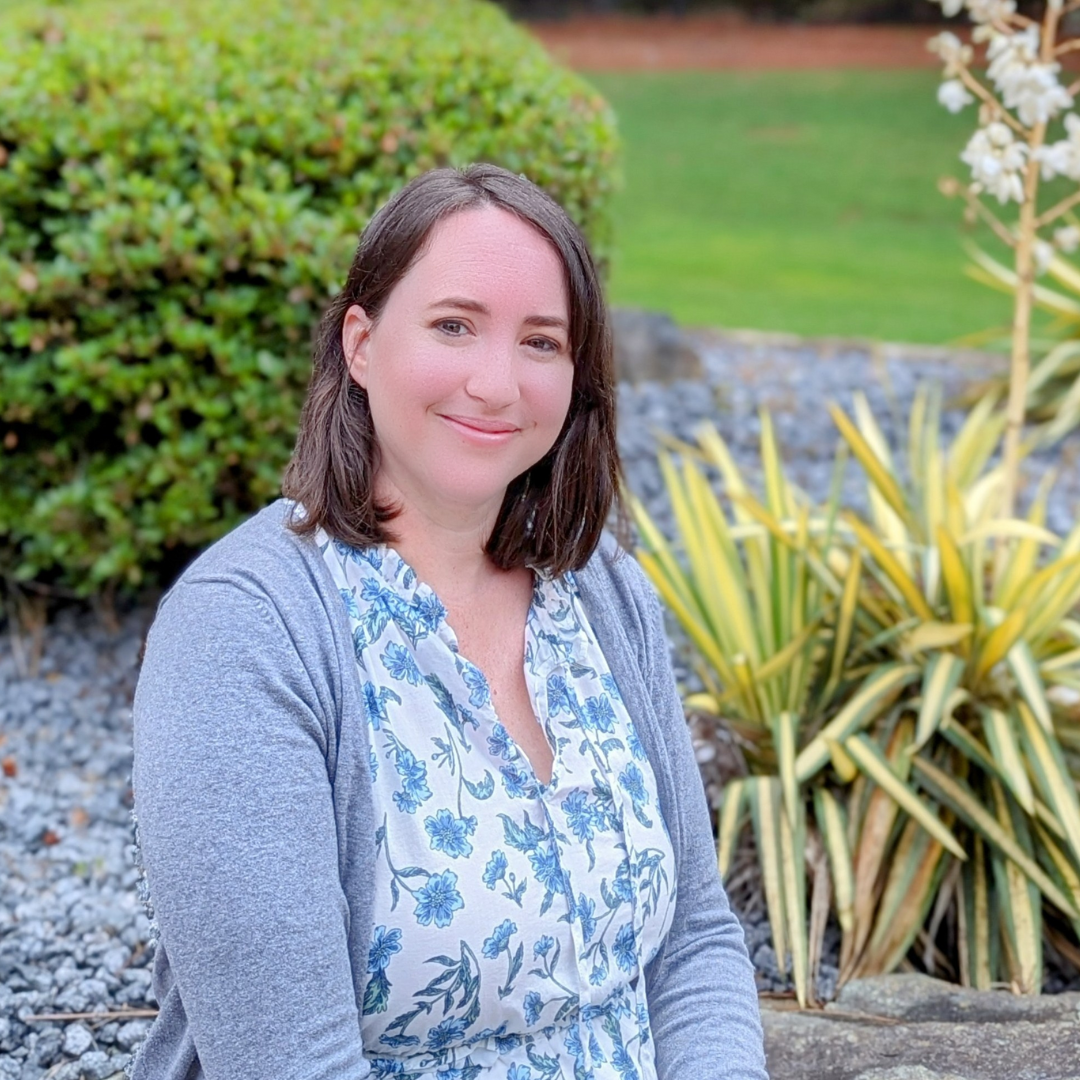
Speakers: Sarah Walsh (Brand Strategist, Branch & Bramble) and Hallie Fields (Social Media Assistant Manager, NetGalley)
Each speaker presented two distinct yet powerful marketing approaches: Sarah Walsh highlighted influencer campaigns, while Hallie Fields emphasized community-driven campaigns.
Walsh showcased how partnerships with influencers can boost brand awareness, leaning on examples like #marcreadsabook and HarperCollins’ #shelvesinthecity. These examples demonstrated the importance of personalized and trend-focused initiatives. It’s important to note that these campaigns were certainly in the high-budget realm; however, there are lessons to be learned from these exciting campaigns that even a publisher with a smaller budget should keep in mind:
- Jump on trends and interact with followers as part of the community, not an administrator or organizer.
- Consider the best type of influences to engage. Micro influencers can have big engagement numbers.
- Give influencers time and opportunity to tell their stories. Bring them to beautiful spaces, or give them Instagrammable assets.
- Form ongoing partnerships, not just one-off posts, which allows the influencer to create ongoing content that is more organic and authentic.
Fields focused on examples from Camp NetGalley, a community-based challenge campaign, and #MyNetGalleyYear, an annually recurring checkpoint campaign. These examples encourage user-generated content (UGC) by asking audiences to complete a task and share it with their followers. These campaigns allow you to engage with, and unite, the entire community, and allow you to secure your brand’s place in a recurring social landscape.
- Know your community. At NetGalley, we know our members love fun, nostalgic, interactive experiences, so we built Camp NetGalley with that in mind.
- Prizes can be simple and digital! In the case of Camp NetGalley, it was a digital badge members can share, and which appear in their NetGalley accounts. For #MyNetGalleyYear, a template we created for them makes it easy for them to brag about everything they’ve read.
- UGC is excellent to share back to your community, help them feel involved, and take some load off your own content creation.
- Consider creating campaigns that can be recurring, which gives the community something to look forward to.
Both strategies – influencer campaigns and community engagement – underscore the importance of creating meaningful, relatable experiences that resonate with audiences, while maintaining authenticity and connection.
Session: Book Marketing at Any Budget

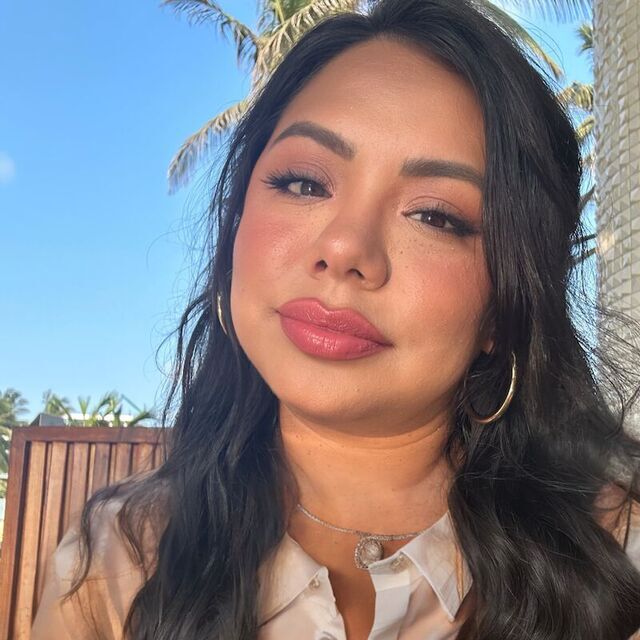


Speakers:
- Kim Lauber (Vice President of Marketing at Abrams)
- Ashley Marie Mireles-Guerrero (Director of Sales and Marketing at Familius Publishing)
- Allison Marie Pond (Director of Marketing at Mad Cave Studios)
- Jin Yu (Director of Marketing at Berkley/PRH)
It was exciting to see these top leaders from across the publishing spectrum in one space, delving into practical approaches for maximizing impact in the marketing, publicity, and advertising spaces. The collective in-house wisdom from publishers large and small, who publish across many diverse categories, was too vast to fully cover in this short article, but here are a few key points:
- Know your audience: Identify where the niche is, where and in what format they will buy, speak to them directly, customize your metadata to reach them.
- Maximize metadata to boost discoverability, and feed the search engine with more content – announcements, bumpers, reviews – which will expand your reach.
- Not all marketing involves advertising, and not all marketing has to be expensive.
- When you do advertising, consider self-serve ads where you can control where the spend is placed. If you do have an ad budget, consider Amazon ads which one speaker said “are expensive, but are worth it.”
- Events are a good way to connect with your community. Library and bookseller communities are especially relationship-based. Be sure to identify what you want to get out of it before deciding to attend since they can be expensive.
- Virtual events have lower cost and can work if you’re creative on how you approach them.
- Give out QR codes or offer to include items in grab-bags, like bookmarks or other items, which are a great way to stimulate interest.
- PR is a lot of effort, make the most of it. Continue to utilize the results and keep it updated, making sure to leverage any media hits by letting additional outlets know it’s being talked about.
Session: Building Brand Trust: The Role of Empathetic Marketing in Publishing

Speaker: Emily Lyman (CEO & Founder, Branch & Bramble)
In this popular and engaging session, Lyman emphasized that understanding audience values and emotions is key to creating impactful marketing campaigns. By analyzing consumer patterns in reviews and social interactions, publishers can tailor their messaging to resonate with their audience, and shift from transactional hooks to more meaningful communications.
- Our values drive our emotions, which drive our decisions.
- Make small shifts toward empathy, like altering email subject lines to be more engaging vs. a flat statement or sales hook.
- Example from Alleyoop: Their customer feedback popup doesn’t ask what kind of makeup they like, or why, but rather asks the consumer about themselves and what issues they want to solve. For instance, one response is “I can only spend 5 minutes on my makeup.”
- To maintain authenticity as you move into more empathetic language, start shifting your hooks to focus on the consumer. Stop making statements like, “Available now!” and shift to how readers will benefit from it. Questions are a great way to do this. A more empathetic subject line would be, “Need more time with your family?”
Bottom line: Empathy strengthens the connection between brands and consumers.
Session: Challenges in Audiobook Marketing and How to Overcome Them

Speaker: Jolene Barto (Marketing Executive, Publishing Professional)
Barto began this session by pointing out three main audiobook audiences: those who want, need, or happen to discover audiobooks. She emphasized that each of these audiences listens to audiobooks for their own reasons and that marketers should keep each of them in mind when considering their marketing language and campaigns–your approach can and should be slightly different when promoting to people who love the audio format, versus those who need to listen to audiobooks due to lifestyle or accessibility constraints. And never forget about those listeners who don’t yet know that they will love audiobooks! A few tips from Barto:
- Think about audiobook marketing holistically. Integrate audiobooks into the broader marketing efforts through all aspects of the launch and ongoing campaign efforts. Start by educating authors that the audiobook will be available and is just as exciting and desirable as the hardcover. Make sure you update audio metadata at the same times as you update the other formats’ metadata.
- Incorporate audio-specific keywords in metadata. Keywords like “dual-narrator” or “full cast recording” are important.
- Market the production process. Listeners romanticize the publishing and in-studio processes. Lean into this!
- Encourage narrators to be part of the promotion. Offer them announcement assets to share, ask them to record in-studio content, and leverage their audiences.
- Create custom content (bonus chapters, interviews, music, bloopers, etc). If you’re going to pitch bloopers as a fun, custom bit of content to media outlets, be sure you’ve asked the studio not to discard or cut these bloopers during the recording process.
Barto pointed out that some publishers still seem to hold on to the notion that audiobook sales will somehow cannibalize print sales, but there has been no evidence of this! If anything, consumers will seek out the format they want. Make it easy for them to find. Audiobooks are more likely to be an “in addition” purchase than they are to replace a print sale.
Overall Themes
As you can see, themes of audience-centric and empathetic messaging ran throughout all of these marketing-focused sessions. Our expert speakers encouraged a shift from pushing books at people and, instead, connecting with readers.
Remember that not every influential reader is a celebrity, and they won’t all ask you for thousands of dollars to promote your books. Identify your core micro influencers, niche communities, and those who are passionate about the types of books you publish. These are the influencers that will drive word of mouth for your books most effectively and authentically.
Don’t be afraid to experiment! Get creative. Find fun ways to engage with your audience. Try new advertising techniques and assess whether they work for you. Adjust as needed.
We are thrilled that the inaugural Publishing Innovation Forum was received so positively by attendees, who told us they were inspired and leaving Nashville equipped to try out some of the strategies outlined above. We hope to see you at another Publishing Innovation Forum in the future!
– The NetGalley Team