The Importance of Early Data

Using NetGalley tools as a centralized hub for your data

We believe in the power of data. Publishers tell us all the time that they’re looking for more ways to use the data that’s at their fingertips, and we are always happy to work with publishers to help you develop your own unique strategies to use data to target followup, track where reviews are being shared, and to build an even more engaged community on NetGalley. But it’s also important to take a step back and look at the big picture. Early data across titles, imprints, and time can give you real wisdom about what’s working, how you can expect your books to perform, and how to give every book its greatest chance of success.

So, we’re reinforcing that bigger picture–why you should be looking at your early data, plus some ways that you can use both NetGalley Classic and NetGalley Advanced as a centralized hub for data collection and analysis. 

Create benchmarks

Understanding likely results is a crucial part of setting expectations and creating new goals. In NetGalley, you can compare historical data to see how other similar titles have performed in the past, helping you more easily develop those benchmarks and expectations. 

Understanding likely results is a crucial part of setting expectations and creating new goals.

“There is never a one-size-fits all marketing plan,” says Kristina Radke, VP, Business Growth at NetGalley. “Publishers have a lot of considerations when building their strategy — genre of book, debut versus established author, marketing budget, pub season, etc. — and they should also be thinking specifically about what they’ve learned from past performances.”

The Title Summary Report shows side-by-side NetGalley activity for a custom group of titles to help you understand standard performance as you’re setting new goals. The report includes Impressions, Requests, Approvals, Downloads, and amount of Feedback, among other data points. You can choose to view a list of titles based on pub date and category, and even narrow based on imprint or whether the books are still active on NetGalley. 
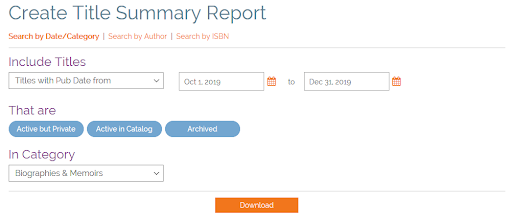
The Title Summary Report is available on NetGalley Advanced.

For instance: If you’re curious how your Science Fiction titles performed this year compared to last year, use this report to see all of those titles together to understand how that category is trending. Or, if you have a forthcoming book from an established author, you can use this report to find all of your titles from that author in order to see how the previous books performed on NetGalley. This report helps you to more easily set expectations for the new book, or come up with a plan to outperform the previous titles. 

One of the important ways that publishers are setting benchmarks is by looking at an author’s previous books or relevant comp titles. The Title Summary Report makes this research easier for you. You can generate NetGalley reports based on specific authors or ISBNs.  
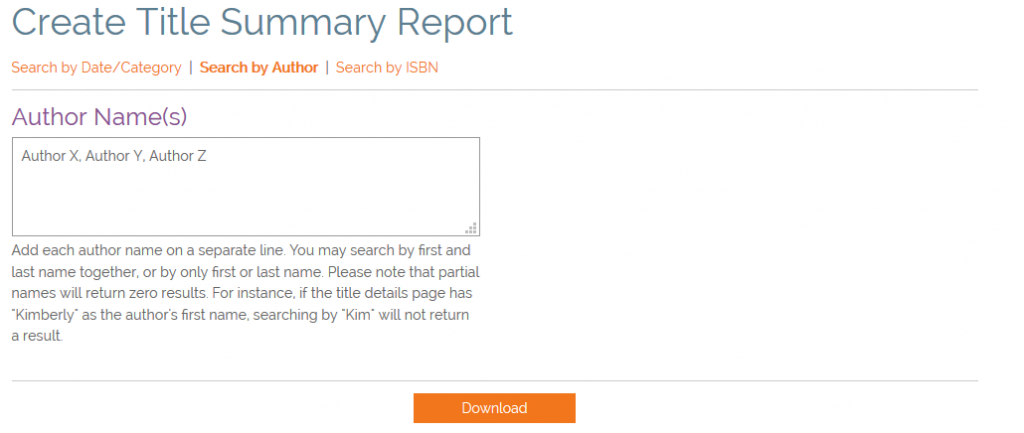
This type of reporting centralizes a number of different data points that you can use when planning acquisitions or identifying new market trends. For instance, if activity for a book series is decreasing with each new title, a publisher might consider updating the cover design or re-engaging fans with a promotion. If cookbooks are consistently outperforming expectations, you might bring that information to your acquisitions team looking for the next big thing. 

Set your goals before looking at data

Once you have a good understanding of the expectations for a particular type of book, the next step is to clarify your specific goals for the new title. After identifying which metrics are most important to you and what kinds of numbers you’re looking to achieve, you have a better framework for engaging with the data you’ll receive from a new promotion. 

Once you have a good understanding of the expectations for a particular type of book, the next step is to clarify your specific goals for the new title.

Success on NetGalley looks different for different publishers, different authors, different books. It might mean a specific conversion rate from Impressions to Feedback, number of nominations for LibraryReads and Indie Next, or reaching a certain threshold of reviews on retail platforms around the pub date. 

Valerie Pierce, marketing director, retail marketing and creative services, at Sourcebooks told NetGalley Insights that when she and her team measure success, they look at a number of different factors. She said, “We have a few key lists that we look at to determine how the pre-publication promotions for a book are performing.” This includes NetGalley requests, cover votes, Indie Next and LibraryReads nominations. She and her team set goals based on past performance of in-house comp titles. “If the number is [below target], we know we have to stop what we’re doing and completely re-strategize. If the number is average, then we look at ways that we can improve them. And if the number is higher than we anticipate, then it not only means that we’ve got a winning strategy – it also means that this might be a title to pour additional resources into. This could include going back to the sales team and asking them to go back out to their accounts, reallocating budget money so that we can fund more advertising, and going back out to media.”
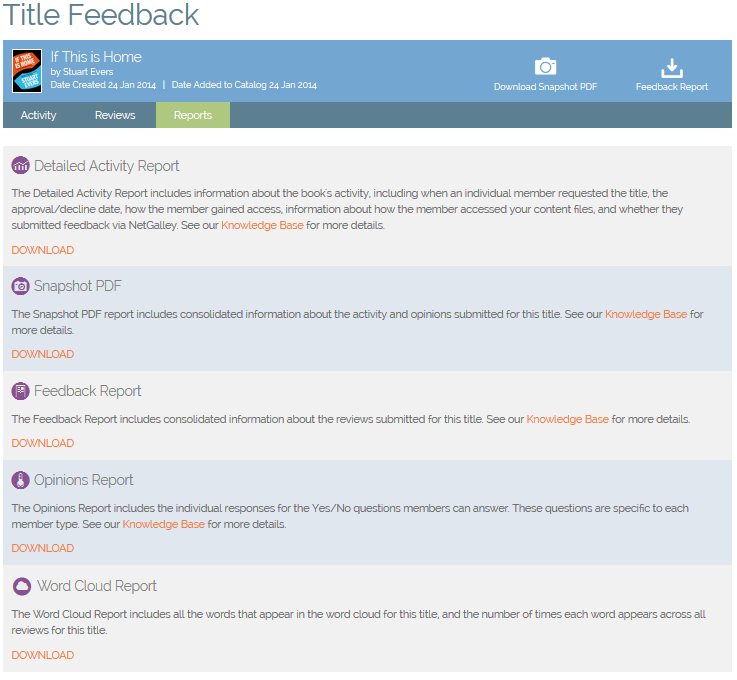
NetGalley reporting provides relevant information for a variety of different metrics and goals to help you get the information you are looking for in a streamlined way. 

Measure ROI on marketing and publicity efforts

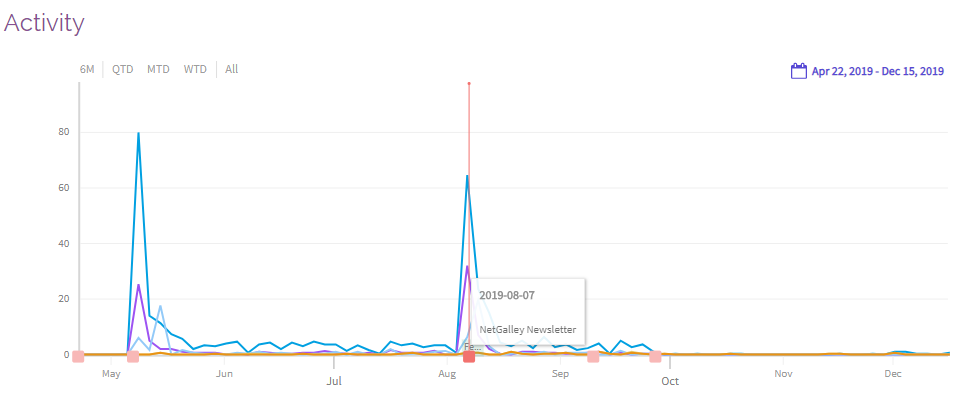
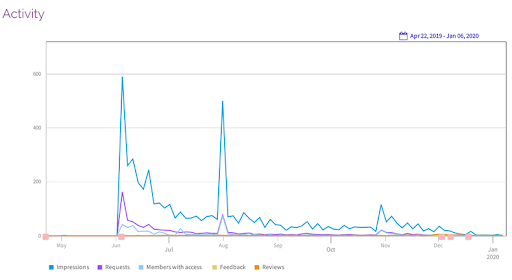
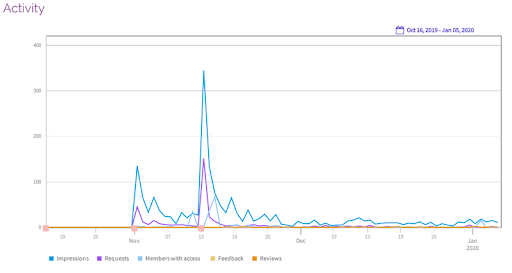
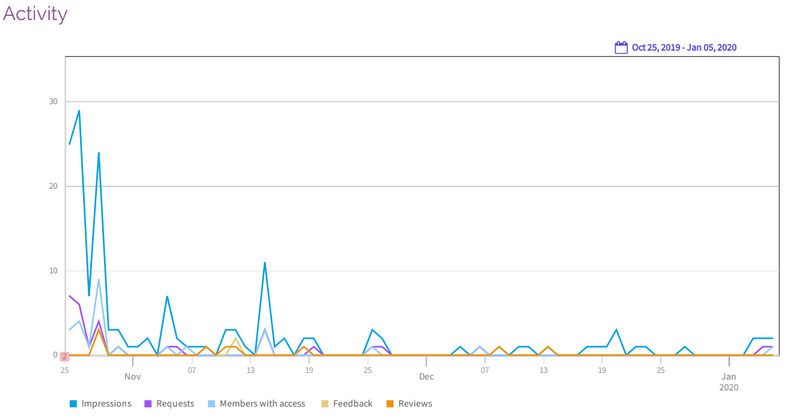
We know that when you invest time, energy, and marketing dollars into a promotion, you want to know whether that investment was effective. By looking at the Title Activity Chart, you can see spikes in impressions, requests, and other activity, and easily correlate them to campaigns both on and off NetGalley. This line chart visualizes information to show you the impact of your marketing. 

When you invest time, energy, and marketing dollars into a promotion, you want to know whether that investment was effective.

“Why wonder, when we can know without a shadow of a doubt, how a campaign performed?” asks Lindsey Lochner, VP, Marketing Engagement at NetGalley. “Having the Open Rate for an eBlast is valuable, but actually seeing the direct result that eBlast had on your book’s overall activity, over the course of its life on NetGalley — that’s powerful. Experimenting with various promotional tools and tracking the results will allow you to determine which efforts are worthwhile for particular types of books and goals.”

Here are some real-life examples of how the Title Activity Chart shows the effects of publishers’ marketing and publicity efforts on and off NetGalley:

Example 1 

Coordinated NetGalley marketing opportunities boosted activity for this Nonfiction book several months after the book initially went live on NetGalley.
Example 2 

The spikes of activity in August for this Fiction book were not coordinated through NetGalley’s email or on-site promotions, showing that the publisher successfully increased activity through their own efforts.
Example 3

Inclusion in a NetGalley Newsletter boosted activity for this YA book, far exceeding even the initial excitement when it first went live for members to request.
Example 4

Small spikes of activity throughout this timeline demonstrate consistent successful efforts to drive audiences to this Children’s book on NetGalley.
Be willing to pivot

Data can show you when you should abandon your current path and pivot to something new.

Data can show you when you should abandon your current path and pivot to something new. If you’re disappointed with the response you’ve gotten, whether that’s a low number of requests, critical feedback about the cover image, or poor reviews of the book, use that information to adjust your strategy.

Look at the Reason for Request section (on the Title Feedback page, or the downloadable Snapshot PDF report) to understand if your book description is effective. This area can also demonstrate if your overall brand and author awareness is high, depending on how many members respond that they “keep hearing about this book.” You might boost your social media efforts, or encourage your author to pitch essays related to their book to news outlets to increase word-of-mouth if the responses are lower than you expected. 

Also consider the Cover Ratings on this page to understand how early readers are reacting to the cover art. 
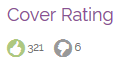
We all know the old adage, but it’s impossible to ignore the fact that people DO judge books by their covers. The NetGalley community is overall very positive: when it comes to covers – they rarely click the thumbs down button unless they feel particularly strongly. So if you notice a lot of dislikes on a cover, it’s a good idea to have a conversation with the design team about reworking the art. 

Cover Ratings are also an indicator when strategies are working. Brian Ulicky, publicity and marketing director for The New Press uses feedback from the NetGalley community to confirm that he and his design team are on the right path. “Covers are one of the most important pieces of marketing any book gets, and if the NetGalley community loves our designs, we must be doing something right. It’s helpful to have early feedback inform and confirm our very involved, iterative process of designing and choosing covers.”

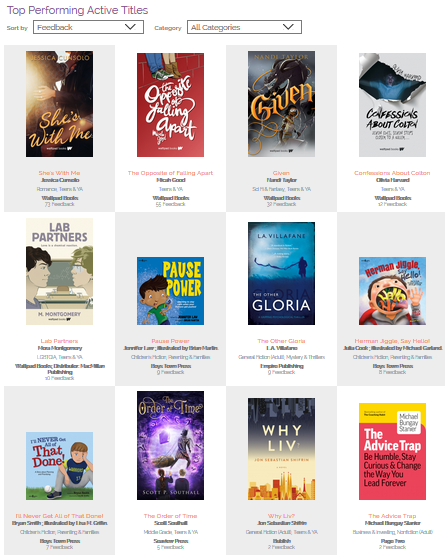
The Top Performers chart is an easy way to see comparative performance for any active titles on NetGalley, filtered by type of activity and by category. For example, publishers can compare performance across all of their Nonfiction titles, based on which have the highest star ratings. This will help you predict what will happen with these books once they go on sale, or indicate where you need to boost your efforts.

When considering the Top Performers, take note of the conversion rate. First filter to view books with highest Impressions, and then switch to view books with the highest number of Requests. This can be extremely telling! If you have a book with a lot of Impressions, but comparatively low Requests, you’ll know that members decided against requesting the book after reading the description and looking at the cover. The question then becomes: Why?

You might try to optimize this conversion by revising the book description, or adding any missing information to the title record. If you can identify these necessary changes pre-publication and work to increase the NetGalley conversion rate before pub date, you can expect that the conversion from impression to sale will be easier to get once the book hits shelves.
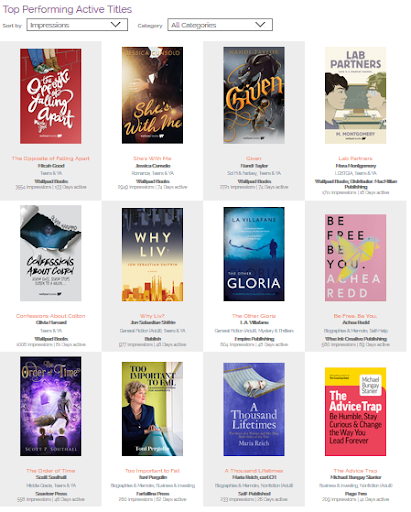
Courtesy of Smith Publicity – Top Performers, sorted by Impressions. The Top Performing Active Titles list is available on NetGalley Advanced.
Courtesy of Smith Publicity – Top Performers, sorted by Feedback. The Top Performing Active Titles list is available on NetGalley Advanced.

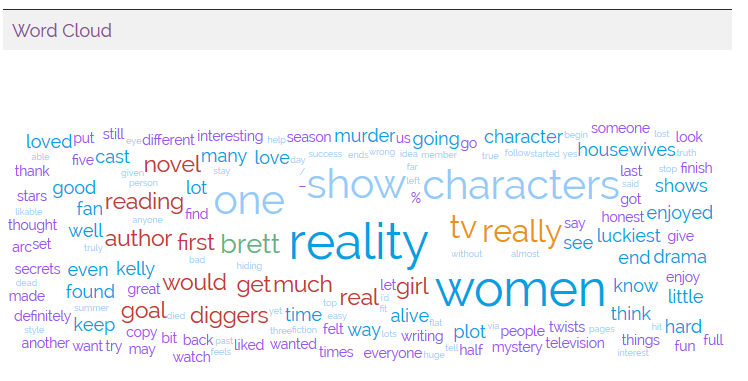
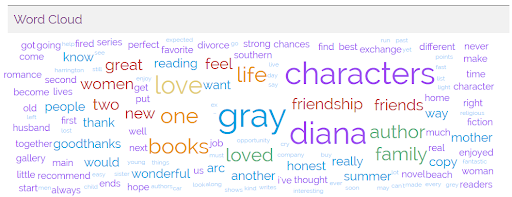
The NetGalley Advanced Word Cloud can help you identify the strongest ways to talk about your book. Publishers already look at reviews to see what is resonating with readers, but the Word Cloud makes the process less manual and more visual. It’s created from the actual reviews that members submit for that book, making it a powerful tool to quickly identify readers’ sentiment beyond a star rating, and give you a better idea of what words are most relevant for the book’s marketing efforts. 
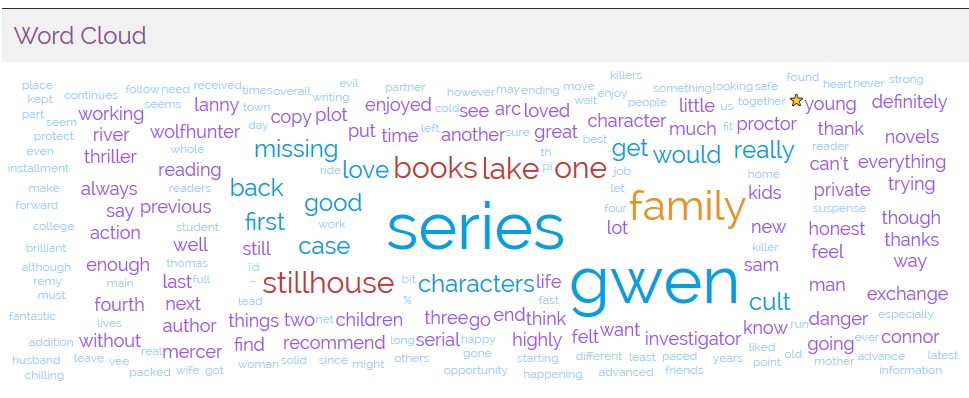
The Word Cloud is available on NetGalley Advanced.

“Audience language has been proven to be the most effective source of keywords for titles,” says Joshua Tallent, Director of Sales and Marketing at Firebrand Technologies. “How your reviewers think about your books, and the language they use when describing them, will correlate well with how new customers search for your books.” The NetGalley Word Cloud is a great way to understand your audience better, supplement your book description for SEO, or add keywords to your metadata. Plus, if you’re looking for even more quality keywords for your books, Firebrand’s Keywords service uses artificial intelligence and machine learning to generate keywords from multiple sources of audience language. (Including NetGalley!)

Understand your audience and how you connect with them

Are you reaching your target audience on NetGalley? If you’re working to connect with librarians or booksellers specifically, the Activity By Member Type chart will show you how well you’re doing. Not only can you see how approvals for these members compare to others, you’ll also see their follow-through, including whether they downloaded the book and if they provided Feedback.
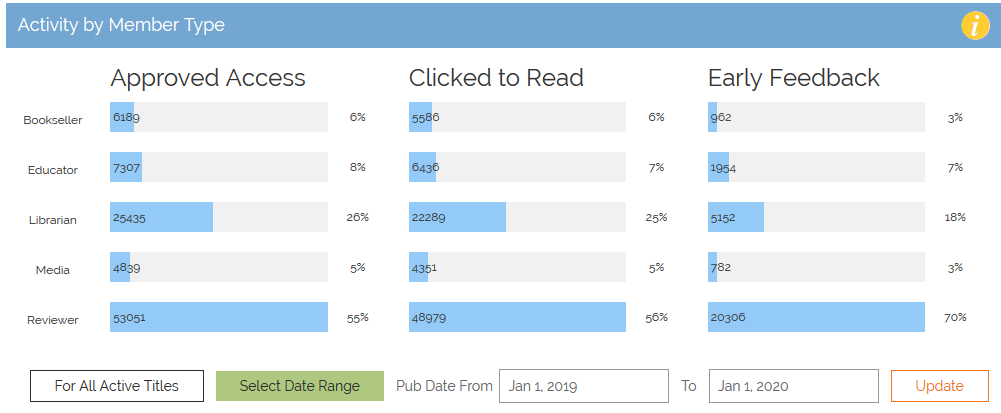
The Activity by Member Type Chart is available on NetGalley Advanced.

On NetGalley.com in 2019, NetGalley members provided nearly 612,000 Reviews and Feedback! Reviewers provided Feedback for 41% of the titles they were approved to download, while Educators shared Feedback for 30%, Librarians shared for 23%, Booksellers for 20%, and Media for 19%. 

In 2019, NetGalley members provided nearly 612,000 Reviews and Feedback! Reviewers provided Feedback for 41% of the titles they were approved to download, while Educators shared Feedback for 30%, Librarians shared for 23%, Booksellers for 20%, and Media for 19%. 

It’s natural that Reviewers submit the most Feedback, whereas Educators, Booksellers, and Librarians tend to use NetGalley to consider new books to purchase for their classrooms, stores, or libraries, and Media use NetGalley to prepare for interviews and to be better informed about which new books are forthcoming. 

When looking at these charts, remember to consider your benchmarks as you set expectations.Determine how many new Bookseller requests you are hoping to receive, and then look to see if you reached that goal after the promotion. If you didn’t hit your mark, adjust your strategy as necessary. 

Early Data in Action

In our case studies, publishers and authors tell us about how they use the early data from their NetGalley accounts to drive their actions.
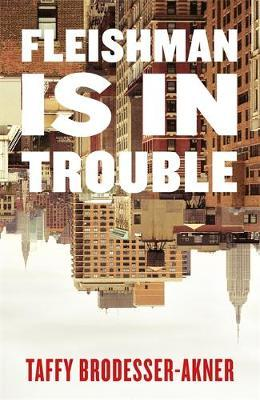
Jess Bonet from Random House uses NetGalley reviews to see what is resonating with readers and to adjust her marketing language accordingly. She said, “The Feedback Report is the tool we most commonly use. It’s so helpful to see what’s resonating with readers before a book goes on sale, so we can adjust our messaging accordingly. Around 3 months before a book goes on sale, our team will meet and discuss review feedback, largely from NetGalley, and adjust copy as necessary. We came to realize that readers were really responding to Taffy’s raw honesty about dating and marriage in the 21st century, so we played that up in our ad copy and our copy feeding to retailers.”
Laura Gianino at Harlequin looks at who is downloading their books so she can pay attention to what types of members are interested, and to drive very targeted follow-ups for reviews and media coverage. She said, “The data was one of the first indications about who was interested in the book.” It helped her to identify the media she pitched, and who followed through to access the book, indicating that they may be planning coverage of this title.

Cynthia Shannon from Chronicle shared early reviews with her sales team so they could show them to book buyers and make the case for carrying in-store. She said, “This helped shed insights into how customers were responding to the book.”


We want to hear which data points are most important to you and how you are using NetGalley to access that data. We’re also always here to help you strategize about developing benchmarks and data-driven goals. Drop us a line at insights@netgalley.com

Divider

7 Strategies from Publishers, Authors, and Industry Insiders from 2019

Tips and ideas we’ll be thinking about in 2020 

This year on NetGalley Insights, we’ve shared strategies, ideas, and best practices from across the industry. We’re honored to highlight the work of our industry partners, authors, and publishers of all sizes. Here are a few of the tips we’re still thinking about, and hope that you’ll keep in mind through 2020 and beyond. 

If there’s ever a unique campaign, promotion, or industry perspective that you’d like to share with us and our audience, please let us know! Email us at insights@netgalley.com.

Traditional publishing and self-publishing can learn from each other

Janna Morishima, publishing strategist and literary agent, has been working with manga artist Misako Rocks! to launch Bounce Back! She suggests that traditional publishing and self-publishing should be looking at each other for inspiration. 

“I think the biggest thing that traditional publishers can learn from self-publishers is the importance of connecting directly with your audience rather than relying on intermediaries to sell the book. The publishing ecosystem is complex, so there are always going to be intermediaries — reviewers and booksellers and librarians, etc. — but now it’s possible to build strong relationships both with those influencers and your actual readers. What I think self-publishers can learn from traditional publishing is the importance of having a well-rounded team contribute to the final book. All writers need editors. All books benefit from great design. All books, no matter how good they are, need strong marketing and sales plans in order to get found. If you’re going to publish on your own, it’s important that you find the right people to help you.”

Automation can create a more engaged team 

Michelle Vu is bringing automation to Houghton Mifflin Harcourt, with a human perspective. She is keeping the needs of human workers top of mind when incorporating automation – learning where their pain points are, and how to free up their time for more creative work. 

“Ask a person at any level from various industries and they are sure to be overwhelmed, doing the job of two people or simply cannot find enough time in a day to finish their work. It’s important to remember that automation is not just a series of meetings to go over process improvements nor is it the new shiny IT project. A grassroots approach would be most effective, so people are less inclined to view automation as a mandate or a cost-cutting initiative. Having people create their own areas of efficiencies allows for greater ownership and accountability over their processes. Honest conversations between departments about automation can help break down the silo mindset and engage employees to think bigger picture where they can add the most value to the book production life cycle. For entry-level positions, I expect automation could potentially mean fewer admin duties and more meaningful work.”

Consider repackaging your deep backlist

Sarah Cardillo, Director of Publishing Operations at Sourcebooks gave us an inside look at how Sourcebooks uses sales numbers, comp titles, and audience responses to guide their redesign strategy. She recommended keeping an eye on the backlist, as well as more recent books.

“Sometimes we look at titles that were published 5-10 years ago (or more) and think about bringing them back out with new covers as a way to boost sales.  Especially in the young adult and the romance space. Since those audiences (especially Young Adult) turn over to new people so regularly and trends change so quickly, a successful book with a fresh cover can easily find new readers, and the accounts are happy to take the book because it was successful in the past with the previous audience. We are seeing a lot of illustrated covers in the young adult space right now. 10 years ago covers were all photographic. So we are looking at our backlist and seeing what books sold well but could get new life with an illustrated cover direction.”

Make decisions based on both data and experience

NetGalley’s own data scientist, Mandy Fakhoury, offered advice to publishers looking to become more data-driven in their decision-making. Surprisingly, she recommended remembering gut instincts and experience, and combining them with those hard metrics. 

“Decision making is a critical aspect of success or failure. In this new era, data has become a key part of the decision-making process. Once a problem has been clearly defined, it’s a matter of collecting the appropriate data needed to answer our problem. Data provides us with the information that can be used and processed in different ways to make decisions. A big challenge is knowing how much to rely on the tools at your disposal and how much to rely on your instincts. An effective decision is made based on a blend of experience and data. The best approach is understanding your data, the behavior of trends, as well as your audience, and don’t let the data blindly drive your decision.”

Keep your email marketing messaging concise

Our marketing team shared tips for creating compelling eBlasts in our Proven Strategies Series. They advised that when writing the content of your eBlast, less is more. Including an entire book description will likely overwhelm a reader, or increase the chance they will lose interest before taking action. Readers scan emails quickly for info that is relevant to them, so divide text into short paragraphs. And remember that a prominent headline (at the top or center of your eBlast) is your second chance at a strong first impression (after the email subject line). Is your headline clear, impactful, intriguing?

You can gain valuable information from critical or DNF reviews

NetGalley Sales Associate Katie Versluis works with our community of self-published authors. She has seen first-hand how authors have responded to critical reviews or DNF (Did Not Finish) reviews. 

She told NetGalley Insights that while DNF reviews “may sting after the years of work you just put into this book, they can actually be quite useful to you as you position yourself in the book world.” She advises authors to think about why a reviewer decided not to finish their book. “[Your book] may simply not have been their cup of tea, but [a DNF review] may also bring an entirely new understanding to your book that you hadn’t thought of yourself. In the past, I’ve worked with an author who did a complete re-editing on their book because an early DNF review alerted them to language they didn’t realize was offensive. The review certainly wasn’t “nice” to receive, but it became a blessing in disguise.” Sometimes critical reviews can help you better target the right kinds of readers, or tweak your marketing copy. For example, if you have been promoting your book as YA, but critical reviews are saying that it’s too young for a teen audience, consider positioning it as a Middle Grade book instead. Or, if reviewers are expressing surprise at the content, consider revising the way you are describing your book. You want to entice readers, but you also want to find the readers who are most likely to enjoy your book as it is.

Experiment with new categories on NeGalley

Publishers are always trying new strategies on NetGalley: Using tools in new combinations, putting new kinds of books on the site, changing how they grant access to their titles. Chronicle recently started sharing cookbooks on the site, which has been a successful experiment for the. Cynthia Shannon, Food and Lifestyle Marketing Manager at Chronicle, described their recent pivot to cookbooks on NetGalley. 

“There is a lot of potential to sharing cookbooks on NetGalley and we are looking forward to exploring more ways to further optimize our NetGalley strategy. Adding cookbooks to NetGalley was a new strategy for us for Spring 2019, and I was pleased to see the overwhelmingly positive response. We saw many NetGalley reviewers commenting on the beautiful photographs and the level of complexity of the recipes or ingredient procurement, and how much they were inspired to try some of the recipes. More importantly, they’d comment about how they can’t wait to get a print edition of the cookbook so that they can add it to their collection. Chronicle Books prides itself on creating beautiful, physical objects that people will want to buy for themselves or as a gift, so having these endorsements helps customers make their book buying decisions. We’ve increased the number of cookbooks we share on NetGalley in advance of publication for our Fall 2019 list—for example, we have Tartine, Ama, and American Sfoglino, three of our most anticipated upcoming cookbooks, available for review on NetGalley now—and we’re exploring the many tools and services that NetGalley offers to further connect with reviewers.”


We look forward to sharing more new strategies from across the publishing industry with you in 2020! 

Divider

The Grand Workflow

The lifecycle of a book, taking advantage of Firebrand and NetGalley

In every department in a publishing house, teams are working as hard as they can to publish books that they believe in. But sometimes we can get lost in the day-to-day and lose sight of the big picture. It can be hard to connect your daily work to the work your colleagues are doing, and to see yourselves as fitting into the same overall efforts. 

To refocus our attention on the big picture, Director of Sales and Education at Firebrand Joshua Tallent and VP of Business Growth and Engagement at NetGalley Kristina Radke gave a presentation at the Firebrand Odd Year Community Conference that demonstrates an overall workflow for a book through various Firebrand services, including NetGalley.

The goal of this workflow is to demonstrate departmental interconnectedness; how acquisitions, production, and promotion are linked — how one informs the other.

Tallent told the audience that he sees clients come to NetGalley and Firebrand to solve specific problems: To help them send metadata more effectively, to get more control over printing specs, to track P&Ls, to build pre-publication buzz. And while NetGalley and Firebrand can certainly provide tools and processes to fix these pain points, focusing on the individual issues can be limiting. 

“I’ve seen many clients lose the institutional awareness over time about the many ways we can help them solve new problems. That has led to companies looking at other solutions, not even knowing that the software they’re already using can do what they need.” 

Using Simon & Schuster imprint Gallery Books’s The Book Charmer by Karen Hawkins, Radke and Tallent showed how a title might move through Firebrand and NetGalley services most effectively, from acquisition through publication, and even rejuvenate the backlist. Gallery used a number of these tools in their actual launch of The Book Charmer, and graciously allowed us to use their book to demonstrate how all of the Firebrand services can link together. This example includes recommended use of the Firebrand and NetGalley tools.

During the Acquisition phase of a project, Title Management provides publishers with robust tracking functionality, helping them manage submissions and ideas and plan for each project’s success. Title Management can help with budget planning utilizing a powerful Profit & Loss system and production planning templates.

For The Book Charmer, the Gallery team could create contracts and contract templates within Title Management and, once the acquisition was complete, use Title Management to start collecting metadata and assigning tasks across various teams. Getting the details right in Title Management is critical to everything that follows!

Around 5-6 months in advance of pub date, the team could send initial metadata feeds through Eloquence on Demand

Before the data was sent, Eloquence Verification ensured that the metadata met industry requirements. These metadata feeds ensure that the details consumers see about the book are consistent and correct.

Once the book was a few months away from its pub date, Gallery Books made it active on NetGalley, using metadata sent through Eloquence on Demand. This made title setup a breeze. NetGalley was used to garner early reviews and buzz, and generally raise the visibility of the book before it went on sale. Gallery Books could add NetGalley as a Marketing Campaign in Title Management, too, allowing them to keep track of this among the other efforts they were putting forth for this book.

Once the book was live in NetGalley, Gallery Books received requests and feedback, plus early data. To get the most out of NetGalley, Gallery Books used targeted marketing to drive requests. They made particular efforts to target librarians and booksellers through inclusion in the ABA Digital Whitebox and the Librarian newsletter. 

The Gallery team used consumer-facing platform, BookishFirst, to entice avid readers with a First Look at The Book Charmer, building pre-publication excitement through the use of a giveaway and gaining access to in-depth reporting through BookishFirst.

Through the launch process, the Gallery team updated their metadata and their keywords in Title Management, ensuring that the feedback they were receiving through NetGalley and Bookish First was informing the marketing copy. 

Both Firebrand’s Keywords service and the NetGalley Advanced Word Cloud allow them to add keywords that repeatedly pop up in reviews on NetGalley and beyond.  These keywords are important to discoverability across all retailer platforms, and using real audience-generated words ensures they’re as effective as possible.

At the same time as publicity and marketing teams were promoting The Book Charmer on NetGalley and BookishFirst, feeding the data they learned back into metadata, the production team was hard at work. Using Title Management, they managed printing specs, planned production costs, and handled inventory management, sending out purchase orders to their printer—all very critical details that affect the finished product and the publisher’s bottom line.

As the ebook file approached completion, the production team could load the file into FlightDeck through the Title Management interface. FlightDeck lets publishers check for any lingering issues with their ebook files before they send them to retail partners for fulfillment. 

As The Book Charmer grew closer to its pub date, the Gallery team could continue to track marketing promotions, including social media campaigns and printed promotional postcards, within Title Management. They kept track of tasks, specs, and design details.

Once The Book Charmer hit its pub date, the Gallery team could use the contact information they had gathered in the pre-pub phase from NetGalley and BookishFirst to re-engage their audiences on those platforms. Letting people know that the book they reviewed is now on sale is a great way to get these early fans talking about the book and to boost sales and reviews.

Plus, in addition to using Eloquence on Demand to distribute their metadata, Gallery could take advantage of Eloquence on Alert to track changes happening to their titles across retailer sites, including alerts if cover images don’t match across different retailers, if list prices or sale prices change, if a title’s sales rank increases, if the number of reviews or star rankings change, or if they lose their buy button to a third party seller on Amazon.

Through the journey from pub date to the backlist, the Gallery team can continue to update The Book Charmer’s metadata and feed it out to retailers, ensuring that the data is always relevant. They can create new or updated Keywords to see how that might impact sales for a backlist title, and test updated EPUB files in FlightDeck. They can use Express Purchase Orders within Title Management to create a single purchase order for an entire list of reprints. They can re-activate its NetGalley listing for a limited time when they publish a sequel. 

Every tool can be used in different parts of the publishing process, and the insights gathered in each stage and through each tool can be used to inform the others. 

If you have any questions about how to best streamline your NetGalley or Firebrand workflow – how to keep a wide perspective – please reach out to concierge@netgalley.com or joshua@firebrandtech.com

Divider

Using Data to Drive Strategy

How NetGalley uses data to frame decision-making and help books succeed

One of the core principles at NetGalley is our focus on data. We give publishers the tools to help them understand and use their data as strategically as possible, and we use data to guide the development of our service.

When we work with publishers on a strategic level, and as we continue to build new features in NetGalley, we are thinking about what data is most valuable to publishers. When we meet with publishers, we hear that you would like more ways to correlate your marketing efforts with activity, or better understand your audience. It’s important for us to know which metrics are most important to you in the pre-publication phase, and how you’re using your results to understand what’s working for your books.

As much as we are encouraging publishers to look at their own data, we are doing the same for ourselves.

And as much as we are encouraging publishers to look at their own data, we are doing the same for ourselves. 

Since early 2019, NetGalley has been working closely with Mandy Fakhoury, our on-staff data scientist, to delve into our own data. She has helped us examine how publishers are using the site, which tools are most used (and how effectively), and how industry trends are manifesting on NetGalley.

For example, with Mandy’s help, we learned which categories within the NetGalley catalog saw a lot of interest, but had relatively few titles listed. We shared the results of that research to encourage publishers in those categories to capitalize on what we learned.

Mandy shared a bit about her work as a data scientist for NetGalley and Firebrand, plus a tip about how lay people can become more comfortable using hard metrics to guide their decision-making.

What is the role of a data scientist? 

The role of a data scientist is extracting meaningful information from data. My job is focused on data management, modeling, and business analysis. The process for any data scientist is defining the problem, collecting the data, understanding and exploring the dataset, and analyzing and communicating the results and findings. Ultimately there’s a question to be answered or a problem to be solved, therefore the majority of my time is spent making sure the data is ready to be analyzed. The remainder of my time is spent on creating models or analyses that give insightful meaning or show certain trends that answer or solve the problem.

What have you observed about how publishing engages with data, compared  to other industries?

Publishers require data to make clear decisions to innovate and better serve their customers. Like  other industries, data is a crucial part of the decision-making process. As an example, most industries use historical trends which allows them to identify which areas have been successful and which ones need improvement. In the publishing world, historical trend is about identifying which genres yielded the most sales and which titles sold the most. 

Any favorite project you’ve worked on for either Firebrand or NetGalley?

I can definitely say I have learned more about natural language processing (NLP) and text analysis within both Firebrand and NetGalley. I have become more familiar with the data that goes into the publishing world. On the Firebrand side I have learned the trend of publishers owning or losing a buy button, as well as whether a sale price is different than the list price provided by a publisher among other insights. On the NetGalley side I have created a Word Cloud based on reviews from members [now live for NetGalley Advanced clients!]. Doing the Word Cloud, I got more comfortable using Flask as well creating applications in R Shiny. I have also gotten a deeper understanding of sentiment analysis as well as text classification and the quality of a text. Overall, every project teaches me something new and that is my favorite part; with data science you never stop learning.

Any advice for non-data scientists to become better at using hard metrics to guide decision-making?

An effective decision is made based on a blend of experience and data. The best approach is understanding your data, the behavior of trends, as well as your audience, and don’t let the data blindly drive your decision. 

Decision making is a critical aspect of success or failure. In this new era, data has become a key part of the decision-making process. Once a problem has been clearly defined, it’s a matter of collecting the appropriate data needed to answer our problem. Data provides us with the information that can be used and processed in different ways to make decisions. A big challenge is knowing how much to rely on the tools at your disposal and how much to rely on your instincts. An effective decision is made based on a blend of experience and data. The best approach is understanding your data, the behavior of trends, as well as your audience, and don’t let the data blindly drive your decision. 

A dedicated data scientist is invaluable to the growth of NetGalley for Kristina Radke, VP of Business Growth & Engagement. 

“Mandy is dedicated to helping us understand all of the activity on NetGalley and find real answers about the use of our site, both by publishers and members. It’s so important to how we plan NetGalley’s continued growth. A gut feeling just isn’t enough to make business decisions! I don’t want to just think about data and activity–it’s critical to my role to understand it and use it to get better and better. I love working closely with Mandy as she collects and analyzes our data, and making space to consider what that data means to us going forward.”


A gut feeling just isn’t enough to make business decisions! I don’t want to just think about data and activity–it’s critical to my role to understand it and use it to get better and better.

Lindsey Lochner, VP of Marketing Engagement, explains that publishers benefit from our increased investment in data analysis. 

“Lately we’ve been hearing more about data analysis from many of the publishers we work with, whether they have an official data scientist (or team) in-house, or their individual marketers have an increased focus on the data available to them. As our clients dig even further into their own data, it’s our goal to help provide some of the missing puzzle pieces that fit into the entire picture of how a book is performing. Mandy helps us visualize and analyze the specific activity and review data that we gather from our platform, so that we can present that back to publishers to help widen their scope.”

When we launched NetGalley Advanced in January 2019, we did so to give publishers even more early data. And as we continue to build out new features and functionality within NetGalley Advanced, every update we are releasing is to help publishers discover a deeper understanding about how you (and any associated imprints) are using the site. Publishers can see how members are interacting with their titles, and how their actions (both on and off NetGalley) affect NetGalley activity, and more.  

We’ve shared some of those data-driven best practices here on NetGalley Insights, including tips on how to develop a data strategy, how to best use the Snapshot PDF, and takeaways from high-performing marketing campaigns in our Proven Strategies series.

We’ll be sharing more dispatches from our internal research here on NetGalley Insights. 

Divider

Case Study: Fleishman is in Trouble by Taffy Brodesser-Akner

How Random House used NetGalley data to refine their marketing messaging and proactively find engaged readers for a big summer debut

Taffy Brodesser-Akner is by no means an unknown writer. As a staff writer for the New York Times magazine with a prolific Twitter account, she already has an audience. But when launching her debut novel, Fleishman is in Trouble, the Random House team treated her book just like they would for any debut novelist coming out with a big summer book. 

They dug into NetGalley data to see what was resonating with readers about her book , used NetGalley reporting to find fans of comp titles, and targeted book club leaders and readers. Plus, they leaned on Brodesser-Akner’s own self-promotion efforts via social media.

Jess Bonet, Marketing Manager at Random House, shares how she helped turn Fleishman is in Trouble into one of the hottest summer reads, and a New York Times bestseller. 

How did Taffy Brodesser-Akner’s unique position as an established writer and debut author guide your campaign strategy for Fleishman

For Fleishman, we pulled out all the stops as we would for a debut author: Heavy consumer-reads push on platforms like NetGalley and GoodReads and major book club leader outreach. Random House has a built-in book club platform called The Random House Reader’s Circle. Using that platform, I was able to reach book club leaders through the RHRC newsletter, social media and physical mailing address lists. I also targeted Instagram book clubs like Pure Wow that ran pre-pub giveaways to engage their fans. I provided book club leaders with eCards featuring blurbs and media praise for Fleishman is in Trouble.

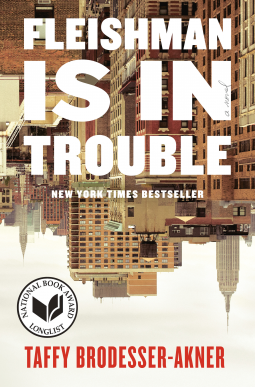
Fleishman is in Trouble
by Taffy Brodesser-Akner

But what was unique about this project is that we were also able to use Taffy’s strong platform (she is a natural on social) to drum up excitement in the months leading up to publication. s. 

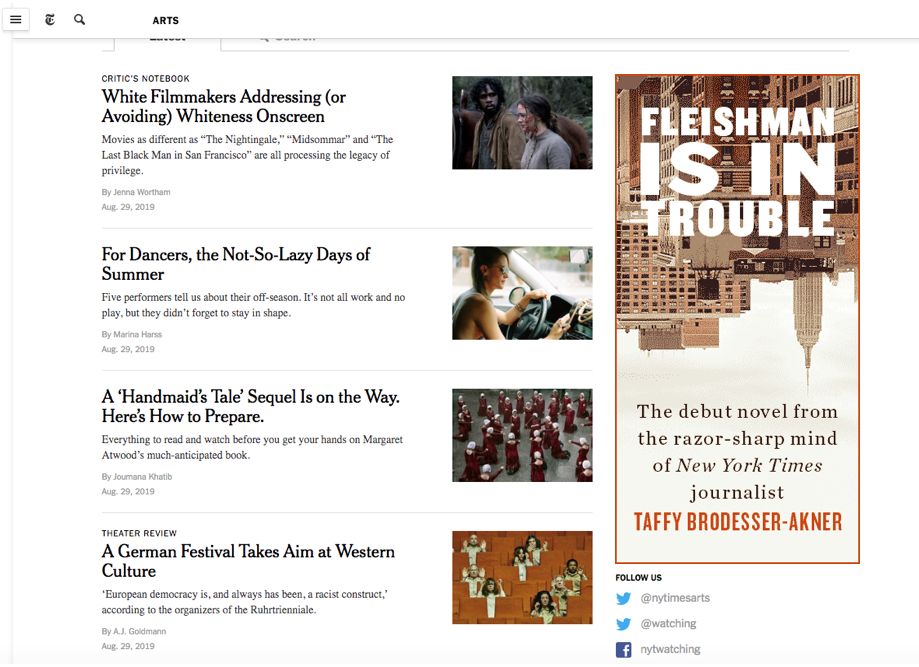
We also ran advertising on the New York Times website to convert fans of her journalism into fans of her new novel.

Plus, we ran advertising in Shelf Awareness and included a link to NetGalley on the landing page for easy bookseller access.

How did you involve Brodesser-Akner in launch campaign? 

Brodesser-Akner played an integral role in the launch campaign for Fleishman is in Trouble. She did a fantastic job promoting the book on social and making her fans aware that her debut novel was coming soon, even though she did not specifically promote its NetGalley listing on her own channels.

How did you proactively engage NetGalley members and communicate with them? 

We shared NetGalley widgets with reviewers of other Random House titles in the same category. I pulled Feedback Reports for users who requested similar Random House fiction titles, and gave access to people who rated the comparative titles 4 stars or higher.

I pulled Feedback Reports for users who requested similar Random House fiction titles, and gave access to people who rated the comparative titles 4 stars or higher.

We also emailed all reviewers [who submitted Feedback for Fleishman] and provided them with social assets on publication date to push reviews to retailer platforms and get the book in as many social feeds as possible. Social buzz was one of the major drivers of this campaign, and it continues to grow which is wonderful to see. 

You included Fleishman in two different NetGalley newsletters in March 2019 – Women’s Fiction and Debut Authors. Why were these newsletters and this timing the right marketing choice for you? What impact did you see?

For the blasts, we knew we wanted to capture both audiences: Women’s Fiction readers and the spotlight for Debut Authors. The fact that they were both in the same month was a great benefit to us, because it drove more awareness on the site, creating a snowball effect that led to increased number of requests driving to publication. For members subscribed to both newsletters, it’s always great to hit that audience again and make the reader feel like this is a book of the moment and read because they are seeing it everywhere.


We came to realize that readers were really responding to Taffy’s raw honesty about dating and marriage in the 21st century, so we played that up in our ad copy and our copy feeding to retailers. 

How did you go about managing requests for such a popular title? 

We were liberal with accepting requests for this title because we wanted to saturate different segments at the same time. We wanted to get engage booksellers, Instagram influencers and bloggers, as well as librarians.   

Which NetGalley reports or analytics are most important to you and your team? How do you use them?

The Feedback Report is the tool we most commonly use. It’s so helpful to see what’s resonating with readers before a book goes on sale, so we can adjust our messaging accordingly. Around 3 months before a book goes on sale, our team will meet and discuss review feedback, largely from NetGalley, and adjust copy as necessary. 

That’s truly my favorite part of using NetGalley: being able to see feedback in real-time about what readers are actually responding to, versus our messaging. We came to realize that readers were really responding to Taffy’s raw honesty about dating and marriage in the 21st century, so we played that up in our ad copy and our copy feeding to retailers. 


Jess Bonet is a Marketing Manager at Random House, working on campaign planning and marketing strategy for authors including Chelsea Handler, Brené Brown, George Saunders, Jia Tolentino, Téa Obreht, Salman Rushdie and more. In her spare time she writes and produces an upcoming comedy-horror web series, Are You Afraid to Adult?

Interviews have been edited for clarity and length.

Read the rest of the NetGalley case studies here!

Divider

NetGalley Advanced, providing in-depth data insights and productivity tools, launches in Europe

FOR IMMEDIATE RELEASE 

October 1, 2019—NetGalley LLC, the industry-standard provider of secure digital review copies and marketing solutions to readers of influence, today launched NetGalley Advanced for UK, French, and German publishers. Available in the United States since January, the premier level of service helps publishers track and analyze NetGalley trends across divisions, and make strategic decisions earlier. 

NetGalley continues to dovetail with publishers’ current marketing, publicity, and sales strategies, while expanding their pre-publication reach to new audiences. Called “NetGalley Premier” in France and Germany, NetGalley Advanced gives marketers and publicists access to tools that will help them spend less time executing strategies and more time refining them. Plus, new charts and customizable reports help publishers understand how their strategies are working, and if they’re reaching their engagement goals. New insights about audience, correlations between promotions and activity, and simplified title management ensure that employees at various levels of a publisher’s organization have what they need to make the most of pre-publication efforts.

“NetGalley Advanced has been well-received by publishers in the U.S.,” says Kristina Radke, VP, Business Growth and Engagement. “We’ve continued to introduce new and expanded features every month since the launch in January, and now feel that this powerful tool is ready for European publishers. I’m excited to see how publishers in these markets will use the early insights about their strategies, title activity, and audiences.”

Learn more about NetGalley Advanced by watching the most recent demo here

Interested publishers should contact your local representative: 

UK: stuart.evers@netgalley.com

France: maria.bodmer@netgalley.com

Germany: karina.elm@netgalley.com

Divider