Case Study: The Kiss Quotient

How Berkley turned a debut novel into a smash hit using social influencer marketing

On NetGalley Insights, we highlight the successes of NetGalley publishers and authors, and share some of their strategies. Today, we’re talking with Jessica Brock, Senior Publicist & Digital Media Strategist at Berkley about The Kiss Quotient.

Published in May 2018, this modern romance featuring a heroine with Aspergers has been both well-reviewed and enthusiastically embraced by readers. And, it even has a movie deal!

One place that The Kiss Quotient really resonated was on social media. BookTubers posted video reviews and Bookstagrammers placed it in aesthetically pleasing shots. Jessica knew that putting The Kiss Quotient into the hands of social media influencers was going to be an important part of building its buzz. And, she even used the campaign as an opportunity to build her network of social media influencers! Learn more about her strategy in the interview below.

Tell us about your strategy for getting influencers excited about The Kiss Quotient.

Immediately upon finishing The Kiss Quotient I knew it was going to be something special. The first step for me was determining how to shout “READ THIS BOOK!” to the widest audience possible. This story isn’t just for traditional romance readers and I wanted to make sure people knew that. The campaign began with a cover reveal and excerpt on Bustle, hitting a key, younger female demographic. The cover popped, Helen’s personal stake in the story intrigued readers, and the excitement began.

After that, my main goal was growing steady interest in the book among bloggers, Bookstagrammers, and bookish influencers. Providing early galleys and e-galleys was a big part of that, as well as continual coverage on Berkley Romance’s social media platforms. This is a perfect example of “Oh, I’ve seen that!” publicity awareness. In my outreach to influencers, I talked about The Kiss Quotient like I would with a friend, with delighted squeals, OMG’s, and BAE’s included. I also specifically asked that they “help me tell the world about this book” via Twitter, Instagram, Goodreads, and Facebook. I didn’t have a platform preference because I wanted to reach as many readers as possible. I do think that Bookstagram played a major part though as the cover is quite ‘grammable. On a visually driven platform, The Kiss Quotient stands out beautifully.

How do you build relationships with influencers as a publisher?

One of my main responsibilities at Berkley is communicating and cultivating relationships with media contacts and influencers, in particular those who focus on romance. Romance bloggers are the backbone of the online romancelandia community and I absolutely love working with them. I send out two curated monthly newsletters to romance-focused bloggers and media contacts, chat with people on Twitter and Facebook, and generally try to keep up with what folks are reading, because romance bloggers are ravenous readers. We do our best to get them galleys as early as possible with the hope they will read and love our books and ultimately share reviews around the release dates.

Instagram – @book_junkee

How did you let influencers know about The Kiss Quotient and how did you give them access to read it? What was your balance between proactive outreach and responding to requests?

I sent pre-approved NetGalley widgets to a large list of media contacts and influencers. [Widget invites accounted for 26% of all members with access on NetGalley, so this strategy was highly effective!]. I also sent out a number of print galleys in fun packaging (I love color coordinating!) that I hoped would encourage them to share images immediately on their social platforms, mainly Instagram as it is so visual. I knew the “Look how pretty” appreciation at the beginning would morph into the “Omg this book is amazing” attention as soon as they began reading and that they would share those thoughts on their social media as well.


Custom eblasts sent to NetGalley and BookishFirst members drew requests on NetGalley and previews on BookishFirst.

I also dedicated a lot of time to responding to requests for the book. There were numerous BookTubers and reviewers who requested The Kiss Quotient that I had never worked with before. Granting them access to the book and getting to know their channels and sites has been a great way to start successful working relationships with many of them. And I would be remiss if I didn’t mention the benefit of some light internet stalking! If someone posted about The Kiss Quotient on Instagram, I would check the comments to see if they were from other influencers that I could also approach for review or feature coverage and I did the same with Goodreads. Twitter searches also proved very useful as the title of this book is pretty unique so I could easily see who was talking about it without having to filter through a lot of non-book related posts.

Aside from working with social media influencers, what other strategies did you employ for The Kiss Quotient?

I secured a lot of mainstream media attention, including The New York Times, Entertainment Weekly, and Buzzfeed, which piqued other outlets’ interest in the book and Helen’s personal story. I highlighted The Kiss Quotient’s strengths, joined the excited conversations with early reviewers, and reached out to other authors whom I thought would love Helen’s book as much as I did. Support from fellow authors can make a significant difference in reader awareness and publicity opportunities.

Jessica is a Senior Publicist and Digital Media Strategist at Berkley who manages the romance social media accounts and works with authors like Helen Hoang, Jasmine Guillory, Alexa Martin, Samantha Young, Uzma Jalaluddin, and more. A self-proclaimed Slytherpuffenclaw, she loves to read YA as well as romance and dark-and-twisty thrillers.


Interviews have been edited for clarity and length.

Check out the rest of our case studies here!

Divider

Pre-Publication Tips for Authors: Writing Outside Your Book

In the book marketing world, getting your name out there is crucial. If someone casually browsing for their next read recognizes your name, they’re far more likely to take a closer look, and hopefully purchase.

Since writing is your craft, one of the best ways to get your name noticed is to write. So, write! It’s natural to want to write exclusively about your book as a way to promote it, but you should also consider writing about topics related to your book. For example, if you write Civil War romances, pitch a column on a women’s cultural interest website about the hidden histories of women in the United States in the 19th century. You can access a wider audience than you could otherwise, and demonstrate your expertise about your chosen field of interest.

You can also write in more casual settings; like a blog or a newsletter. Many authors and cultural critics send out periodic newsletters that describe what they are reading, listening to, and thinking about. Newsletters and blogs are a way to stay top-of-mind for your audience, and to help your readers develop a more personal relationship with you and your work.

This kind of tactical writing can increase your visibility and the visibility of your titles in the marketplace. But, as with all kinds of marketing efforts, quality is more meaningful than quantity. First and foremost you should write and pitch content that you would be interested in reading, and the readership will follow.

Divider
Divider

Ask a Book Club: Anne Haag

Book clubs are full of passionate readers who go out and buy books throughout the year. They are always on the hunt for new titles to read, and are recommendation engines for the family and friends outside of the club. In Ask A Book Club, we help you better understand how book clubs find the books they read, and where they talk about books beyond their club. We look at individual book clubs to learn more about what they look for in a book and how groups of passionate readers come together to choose their titles.

Today, we’re talking to Anne Haag about her globe-trotting book club.

About the book club

A friend decided she wanted to start a book club in the model of her grandfather’s group, which meets monthly and reads a book focusing on a different country each time. So, she invited a few friends to join, and it webbed out from there. Quite a few of our members were born or raised in other countries. We have members from Indonesia, Spain, Canada, England, and Ireland, so we have a variety of international perspectives present at each meeting. There are about 10 of us, all in our mid-20s. We live in Chicago and meet once a month.

Reading scope

We try to read a book by an author from a different country each month. A lot of the books we read involve some kind of historical conflict or element tied to a certain place – for example, the slave trade’s impact on Ghana in Yaa Gyasi’s Homegoing, or religious fundamentalism as it manifests in Pakistan in Mohsin Hamid’s The Reluctant Fundamentalist. By focusing on a different country each time, we are able to expand our understanding of global conflicts, and how they influence our world today. We do occasionally indulge in lighter works when we need a break. Last summer, for example, we read Crazy Rich Asians by Kevin Kwan.

We read quite a few works in translation. We skew towards fiction, but have read nonfiction, like Caitlin Doughty’s exploration of death across different cultures, From Here to Eternity. Most of the titles we’ve read were published within the last 20 years. We try to stick to shorter books; usually around 200 pages. I am guilty of not finishing more than one book when it lost my interest. We read The Double by Jose Saramago, and quite a few others joined me in the “easily disinterested” ranks.   

Finding new titles

I always look for ideas in the New Yorker, specifically the short reviews they publish at the end of each issue’s featured book review. That has come up previously as a source others have used as well. In fact, two of us recommended Memoirs of a Polar Bear by Yoko Tawada after reading about in the New Yorker. Book reviews in the New York Times are another common source, as well as Goodreads. Sometimes our ideas come from reading about current events and seeking out related literature, often just by Googling.

Nominating titles

Members bring up titles they’re interested in reading at the end of each meeting. Typically, there’s a title that stands out as interesting to the group as a whole, so we pick that one. If more than one sounds interesting, we typically just agree to read them in following months. We aren’t particularly organized – we have a group email thread, and that’s about it. Really, we don’t even keep a list of books we’ve read.

Recent reads

Interviews have been edited for clarity and length.

Divider

5 Book Design Trends to Remember in 2019

Like it or not, cliche as it is, we all judge books by their covers. An effective cover can convey a book’s tone; is it a lyrical meditation, a brash appraisal of contemporary life, a hard-boiled noir, or a fizzy modern romance? Book covers should give readers a sense of what they are in for  (unlike these misleading ones). Successful book covers will look modern without looking like a trend that will mark it as out of date by next year. To ensure that your titles look fresh and inviting for 2019 readers, we’ve rounded up some of our favorite trends in book design.

Lydian font

This font has been all over the publishing industry, gracing the covers of some of the buzziest books of recent years. Lydian dates back to 1938, giving it a well-earned timeless feel. Lydian has been successfully deployed in the service of essay collections, novels, non-fiction, and more.

Hand-lettering

Hand-lettered covers give books an honest, lived-in feel. It connotes authenticity and vulnerability. It can also clue readers in to the emotional tone of a book while they browse. Sharp and angular scrawls can alert the reader to conflict, complication, and fracturing, as it does for Awaeke Emezi’s Freshwater and Mark Sarvas’sMemento Park. Hand-lettered titles can be intimate and authentic, which is especially important for nonfiction titles like I Can’t Date Jesus.

Vintage Nature Imagery

Using the visual iconography of an old encyclopedia or naturalist textbook gives a cover aesthetic gravitas. Covers like The Far Field look more established and timeless rather than trendy. Additionally, using vintage images of nature gestures to readers that the book will be about observation in some way. Lauren Groff’s Florida, with its vintage illustration of a panther, demonstrates to the reader that, like a naturalist observing animals, this collection of stories will feature close observation of creatures (human and otherwise) in their natural habitats.

Gen-Z Yellow (and, of course, still millennial pink)

To give your titles a contemporary feel, and to hit a demographic of late teens to late-20s readers, consider the ubiquitous, but still popular, millennial pink. Or, for a fresher feel, it’s younger cousin, Gen-Z Yellow. Both are bright and inviting, and look great on a social media scroll. Consider this color palette, especially if your book is about millennial or Gen-Z characters. Better still, combine them both like The Lonesome Bodybuilder. Bonus points if you can take a queue from Soft Skull Press and animate your cover to give it some extra oomph.

Illustrated portraits and bright backgrounds

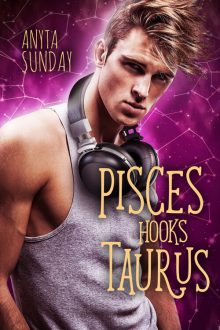
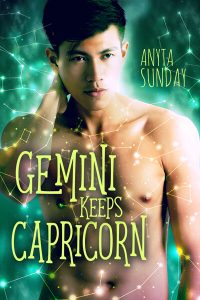
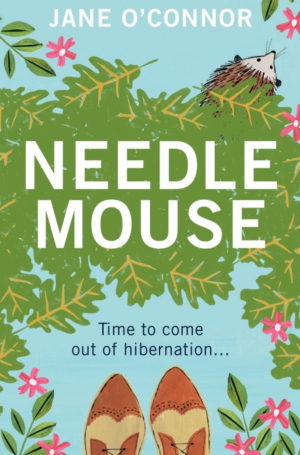
Tracing back to Where’d You Go Bernadette and further, covers featuring an illustrated figures against a bright background is a great way to attract attention for your titles and to visually place them in conversation with other breezy contemporary titles that have used the same style. Great examples of this trend include The Proposal, The Matchmaker’s List, and the Crazy Rich Asians series.

Be sure to check out some of our favorite covers on NetGalley in our Cover Love on the NetGalley homepage to gain even more inspiration!


Divider

Wisdom in 2019

As we begin a new year, it’s always fun to look back on all the great things that happened in the last year. The needs of our clients have always led the evolution of the NetGalley service, and I’m proud that our conversations with various types of publishers continue to drive our development.

Through these conversations, it has become apparent that publishers of all sizes are relying on data to assess how their strategies are working, and if they’re reaching their goals for engagement. More and more of you are employing data scientists, or are analyzing data yourself. Numbers from all across the industry come together to reveal the story about a book’s success. You’re tracking and analyzing results that range from engagement with your social media platforms and click-throughs for your digital advertising, to sales numbers and rankings.

One of the purposes of NetGalley has always been to give you more insight into the success of  your pre-publications efforts. Many reports in NetGalley (including Feedback, Opinions, Snapshot, and Detailed Activity) already offer a deep dive into the specific activity your titles are seeing on the site.

During the Firebrand Community Conference this year our CEO and Chief Igniter, Fran Toolan, mentioned the DIKW hierarchy–a model that emphasizes the relationships between data, information, knowledge, and wisdom. The idea is that each level of the pyramid is reached through analysis that adds context to the level below. So data will lead to information, which will lead to knowledge, which will lead to wisdom. Once you reach wisdom, all of that learned experience can guide your actions.

In 2019 we’re excited to bring you even more tools to drive targeted activity on NetGalley, and to display valuable data and information to help you reach those levels of wisdom that can inform your strategies. When you analyze the activity happening in your NetGalley account, it can help you identify early trends so you can anticipate them as your books go on sale, or give you evidence that support a change in strategy.

We are committed to continuing to build tools that will reduce manual effort and time for your staff, and give you more space to gain knowledge about your strategies and the activity they’re generating. It’s our New Year’s Resolution to continue to help you attain wisdom about your strategies, and strive for it ourselves, too.

To learn more, join our webinar on Wednesday, Jan. 30 all about NetGalley Advanced–our new, premier level of service.

Happy New Year!

Kristina Radke

VP, Business Growth and Engagement

Divider