Key Marketing & Publicity Takeaways from the Inaugural Publishing Innovation Forum

Publishing professionals from across the industry descended on Nashville, TN at the end of September to attend the Publishing Innovation Forum, hosted by the Firebrand Group. This premier in-person event was designed to unite individuals from various segments of the book publishing industry to share insights, explore new trends, and discuss strategies to adapt to a rapidly evolving publishing landscape. With approximately 150 participants, the forum encouraged collaboration and innovation, ensuring attendees gain valuable knowledge and connections to drive future success in the industry. Expert keynote presentations, and three dedicated breakout tracks for Business, Technology, and Marketing, resulted in lively conversation and important takeaways. For our audience at NetGalley Insights, we have collected some key themes and tips from the highly experienced speakers.

Attendees at the inaugural Publishing Innovation Forum, 2024

Session: Innovations in Book Promotion: Publicity Trends That Move the Needle
Speakers: Kimberly Sneed (Digital Media Director, PR by the book) and Marika Flatt (Owner, PR by the Book)

Kimberly Sneed and Marika Flatt of PR by the Book kicked off this session by explaining that the goal for publicity efforts is to drive author and book recognition, visibility, and overall exposure. The wider the name recognition in the world, the greater chance that book and that author have to build and grow. Exposure is extremely important in early promotional efforts because you are planting seeds for a long trail that follows, even into the backlist. Some important avenues for modern publicists to focus on include:

  • Podcasts: There are hundreds of thousands of podcasts available. Find the right ones in both subject matter and audience for your individual authors.
  • NetGalley and other platforms: Maximize title pages on every platform to include assets like videos, advanced praise, author pages or social media, etc.
  • Social Media: Both presence and promotion matter. Identify and engage with niche, micro audiences, prioritize authenticity, align your messaging with their values.
  • Immersive Storytelling Techniques: Design “expert” pages for your authors, create additional materials like exclusive content, serialized content, short videos, and adjacent narratives to drive engagement and customize media outreach.

One size does not fit all in book marketing and publicity. Step outside the box and don’t be afraid to try something new! No matter what, always connect and build on what you have. Sneed’s and Flatt’s approach is centered on flexibility, experimentation, and working closely with authors to tailor strategies to individual needs and audiences.

Session: Influencers vs. Community: Strategic Activation for Your Book Campaigns

Speakers: Sarah Walsh (Brand Strategist, Branch & Bramble) and Hallie Fields (Social Media Assistant Manager, NetGalley)

Each speaker presented two distinct yet powerful marketing approaches: Sarah Walsh highlighted influencer campaigns, while Hallie Fields emphasized community-driven campaigns.

Walsh showcased how partnerships with influencers can boost brand awareness, leaning on examples like #marcreadsabook and HarperCollins’ #shelvesinthecity. These examples demonstrated the importance of personalized and trend-focused initiatives. It’s important to note that these campaigns were certainly in the high-budget realm; however, there are lessons to be learned from these exciting campaigns that even a publisher with a smaller budget should keep in mind:

  • Jump on trends and interact with followers as part of the community, not an administrator or organizer.
  • Consider the best type of influences to engage. Micro influencers can have big engagement numbers.
  • Give influencers time and opportunity to tell their stories. Bring them to beautiful spaces, or give them Instagrammable assets.
  • Form ongoing partnerships, not just one-off posts, which allows the influencer to create ongoing content that is more organic and authentic.

Fields focused on examples from Camp NetGalley, a community-based challenge campaign, and #MyNetGalleyYear, an annually recurring checkpoint campaign. These examples encourage user-generated content (UGC) by asking audiences to complete a task and share it with their followers. These campaigns allow you to engage with, and unite, the entire community, and allow you to secure your brand’s place in a recurring social landscape.

  • Know your community. At NetGalley, we know our members love fun, nostalgic, interactive experiences, so we built Camp NetGalley with that in mind.
  • Prizes can be simple and digital! In the case of Camp NetGalley, it was a digital badge members can share, and which appear in their NetGalley accounts. For #MyNetGalleyYear, a template we created for them makes it easy for them to brag about everything they’ve read.
  • UGC is excellent to share back to your community, help them feel involved, and take some load off your own content creation.
  • Consider creating campaigns that can be recurring, which gives the community something to look forward to.

Both strategies – influencer campaigns and community engagement – underscore the importance of creating meaningful, relatable experiences that resonate with audiences, while maintaining authenticity and connection.

Session: Book Marketing at Any Budget


Speakers: 

  • Kim Lauber (Vice President of Marketing at Abrams)
  • Ashley Marie Mireles-Guerrero (Director of Sales and Marketing at Familius Publishing) 
  • Allison Marie Pond (Director of Marketing at Mad Cave Studios)
  • Jin Yu (Director of Marketing at Berkley/PRH)

It was exciting to see these top leaders from across the publishing spectrum in one space, delving into practical approaches for maximizing impact in the marketing, publicity, and advertising spaces. The collective in-house wisdom from publishers large and small, who publish across many diverse categories, was too vast to fully cover in this short article, but here are a few key points:

  • Know your audience: Identify where the niche is, where and in what format they will buy, speak to them directly, customize your metadata to reach them.
  • Maximize metadata to boost discoverability, and feed the search engine with more content – announcements, bumpers, reviews – which will expand your reach.
  • Not all marketing involves advertising, and not all marketing has to be expensive. 
  • When you do advertising, consider self-serve ads where you can control where the spend is placed. If you do have an ad budget, consider Amazon ads which one speaker said “are expensive, but are worth it.”
  • Events are a good way to connect with your community. Library and bookseller communities are especially relationship-based. Be sure to identify what you want to get out of it before deciding to attend since they can be expensive.
  • Virtual events have lower cost and can work if you’re creative on how you approach them.
  • Give out QR codes or offer to include items in grab-bags, like bookmarks or other items, which are a great way to stimulate interest.
  • PR is a lot of effort, make the most of it. Continue to utilize the results and keep it updated, making sure to leverage any media hits by letting additional outlets know it’s being talked about.

Session: Building Brand Trust: The Role of Empathetic Marketing in Publishing

Speaker: Emily Lyman (CEO & Founder, Branch & Bramble)

In this popular and engaging session, Lyman emphasized that understanding audience values and emotions is key to creating impactful marketing campaigns. By analyzing consumer patterns in reviews and social interactions, publishers can tailor their messaging to resonate with their audience, and shift from transactional hooks to more meaningful communications.

  • Our values drive our emotions, which drive our decisions.
  • Make small shifts toward empathy, like altering email subject lines to be more engaging vs. a flat statement or sales hook.
  • Example from Alleyoop: Their customer feedback popup doesn’t ask what kind of makeup they like, or why, but rather asks the consumer about themselves and what issues they want to solve. For instance, one response is “I can only spend 5 minutes on my makeup.”
  • To maintain authenticity as you move into more empathetic language, start shifting your hooks to focus on the consumer. Stop making statements like, “Available now!” and shift to how readers will benefit from it. Questions are a great way to do this. A more empathetic subject line would be, “Need more time with your family?”

Bottom line: Empathy strengthens the connection between brands and consumers.

Session: Challenges in Audiobook Marketing and How to Overcome Them
Speaker: Jolene Barto (Marketing Executive, Publishing Professional)

Barto began this session by pointing out three main audiobook audiences: those who want, need, or happen to discover audiobooks. She emphasized that each of these audiences listens to audiobooks for their own reasons and that marketers should keep each of them in mind when considering their marketing language and campaigns–your approach can and should be slightly different when promoting to people who love the audio format, versus those who need to listen to audiobooks due to lifestyle or accessibility constraints. And never forget about those listeners who don’t yet know that they will love audiobooks! A few tips from Barto:

  • Think about audiobook marketing holistically. Integrate audiobooks into the broader marketing efforts through all aspects of the launch and ongoing campaign efforts. Start by educating authors that the audiobook will be available and is just as exciting and desirable as the hardcover. Make sure you update audio metadata at the same times as you update the other formats’ metadata.
  • Incorporate audio-specific keywords in metadata. Keywords like “dual-narrator” or “full cast recording” are important.
  • Market the production process. Listeners romanticize the publishing and in-studio processes. Lean into this!
  • Encourage narrators to be part of the promotion. Offer them announcement assets to share, ask them to record in-studio content, and leverage their audiences.
  • Create custom content (bonus chapters, interviews, music, bloopers, etc). If you’re going to pitch bloopers as a fun, custom bit of content to media outlets, be sure you’ve asked the studio not to discard or cut these bloopers during the recording process.

Barto pointed out that some publishers still seem to hold on to the notion that audiobook sales will somehow cannibalize print sales, but there has been no evidence of this! If anything, consumers will seek out the format they want. Make it easy for them to find. Audiobooks are more likely to be an “in addition” purchase than they are to replace a print sale. 

Overall Themes

As you can see, themes of audience-centric and empathetic messaging ran throughout all of these marketing-focused sessions. Our expert speakers encouraged a shift from pushing books at people and, instead, connecting with readers.

Remember that not every influential reader is a celebrity, and they won’t all ask you for thousands of dollars to promote your books. Identify your core micro influencers, niche communities, and those who are passionate about the types of books you publish. These are the influencers that will drive word of mouth for your books most effectively and authentically.

Don’t be afraid to experiment! Get creative. Find fun ways to engage with your audience. Try new advertising techniques and assess whether they work for you. Adjust as needed.

We are thrilled that the inaugural Publishing Innovation Forum was received so positively by attendees, who told us they were inspired and leaving Nashville equipped to try out some of the strategies outlined above. We hope to see you at another Publishing Innovation Forum in the future!

– The NetGalley Team
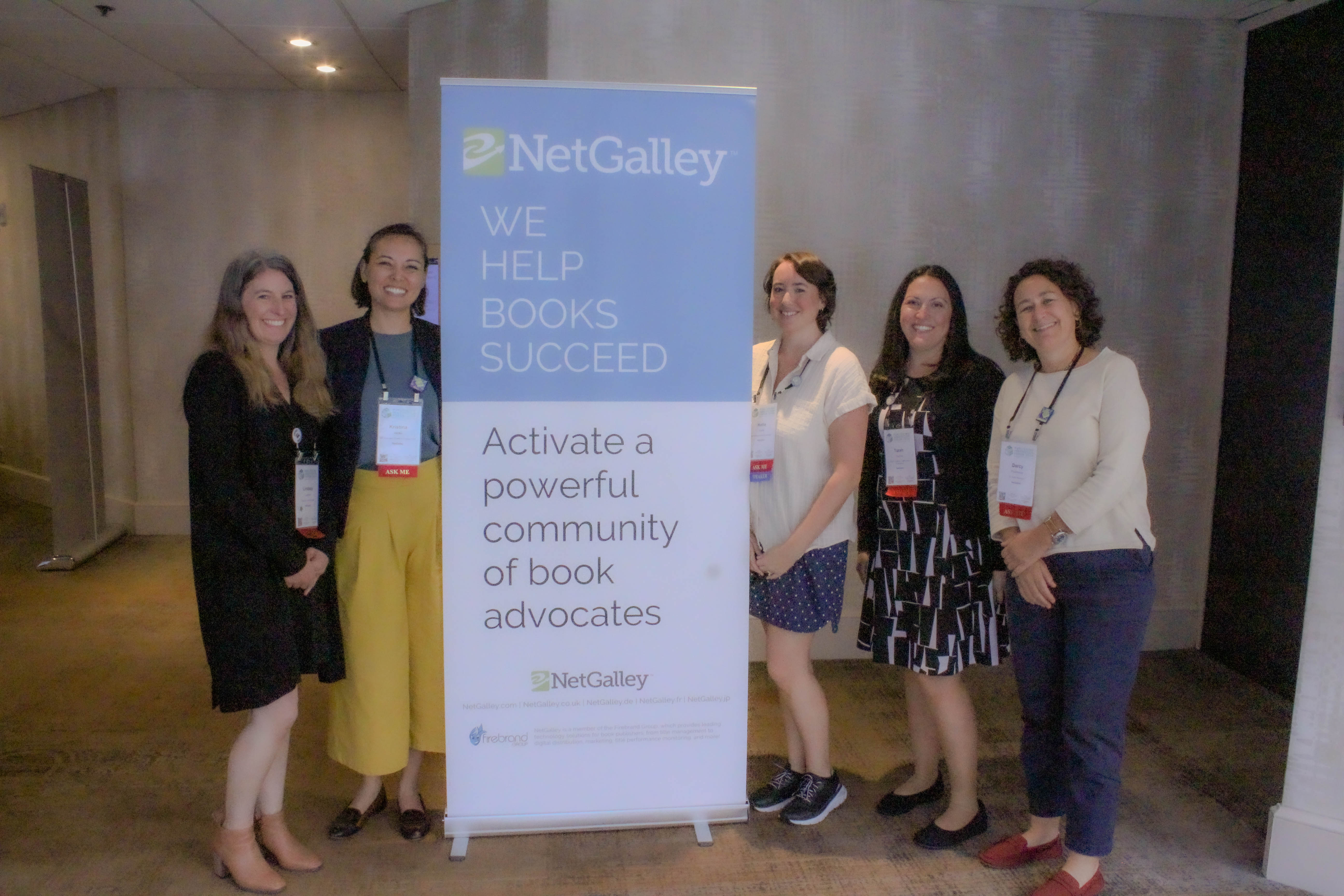
NetGalley team members at Publishing Innovation Forum, 2024: Lindsey Lochner, Kristina Radke, Hallie Fields, Tarah Theoret, Darcy Piedmonte

Divider

BookSmarts Podcast: Emily Lyman, Building Brand Trust

Full transcript available here.

Emily Lyman is the CEO and Founder of Branch & Bramble, an award-winning digital marketing agency for lifestyle brands. With nearly a decade of experience helping companies achieve tangible marketing results, Emily joins us on the BookSmarts Podcast to discuss the role of empathetic marketing in publishing and the importance of building brand trust with consumers.

Emily will speaking about how to build brand trust at the upcoming inaugural Publishing Innovation Forum, September 24-26, in Nashville, TN! This conference is open to the entire publishing community and will focus on the many changes our industry has faced, and how to prepare and adapt for the future.

Follow Emily Lyman on LinkedIn! To learn more about Branch & Bramble, visit their website.

“[Brand trust] is essentially the level of confidence that consumers have in a brand’s ability to keep its promises. And these promises can include the quality of products or services, the brand’s values and mission, or how the brand treats its employees and its customers. There’s a lot of factors that go into brand trust. And what’s been fascinating as a marketer is to see the evolution of brand trust over the years, and how it changes, and how important it becomes not only to consumers as a whole, but we have some really interesting data on how brand trust is thought about generationally, as well.” – Emily Lyman

Joshua Tallent is an acclaimed teacher and guide on the role of data in publishing, and a vocal advocate for high quality book metadata. In his spare time, Joshua enjoys playing complex board games, playing Minecraft, and fiddling with his 3D printer.

Divider

IBPA Publishing University, Conference Wrap Up, Part 4

Each year the Independent Book Publishers Association (IBPA) brings together its robust membership to share knowledge and resources, discuss challenges and opportunities facing indie publishers and authors, and network with like-minded professionals. This year we met in Denver, Colorado, and even a surprise snowstorm did nothing to dampen the excitement in the room!

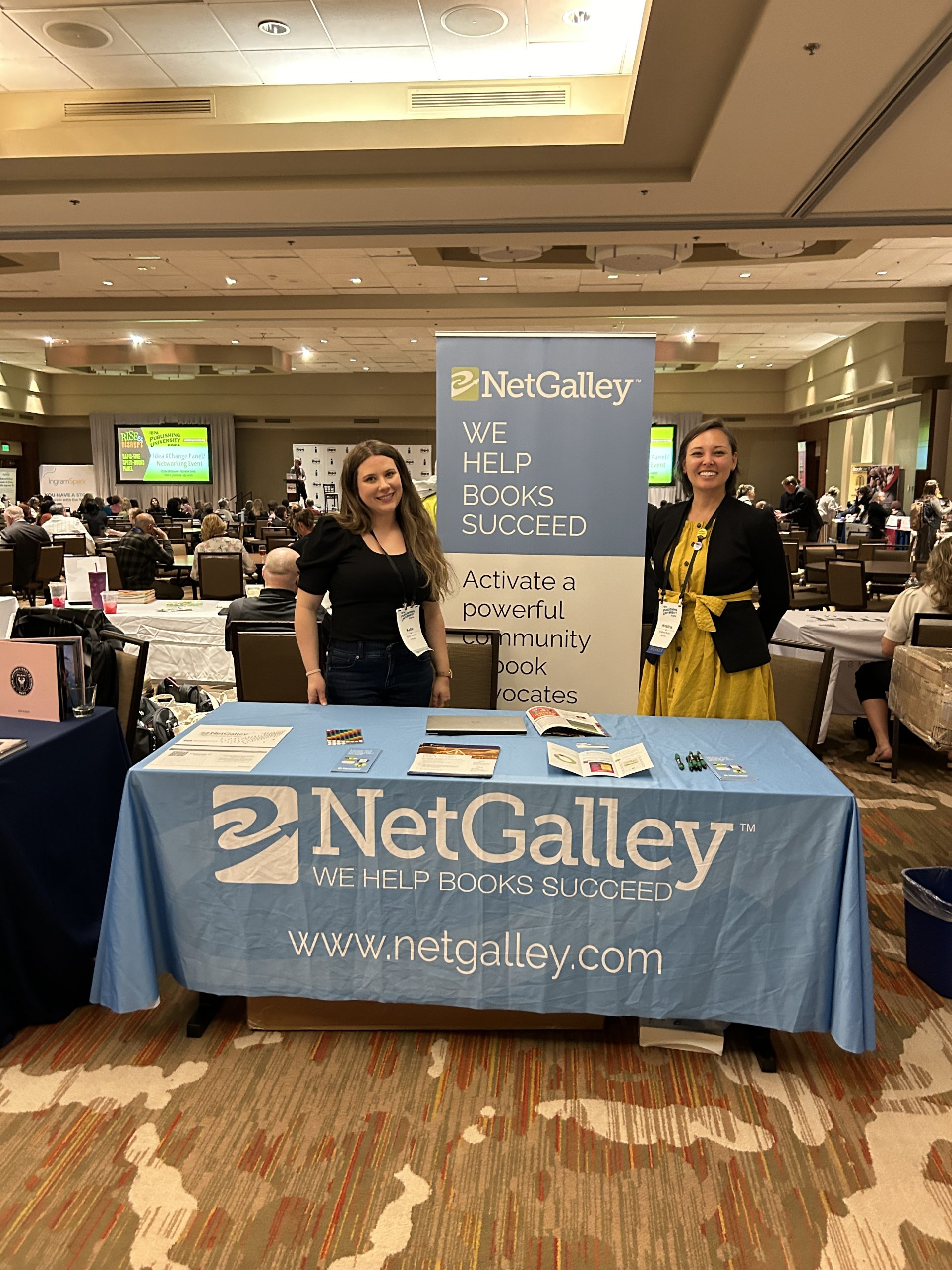
Katie Versluis and Kristina Radke at IBPA Publishing University in Denver

The theme of this year’s event, “Rise and Disrupt,” resonated deeply with attendees grappling with the challenges posed by consolidation in the industry, slowing sales, inflation, the rise of new AI technologies, and more. This is an event that does not shy away from the tough questions and conversations, and yet the energy is always inherently positive. This year was no different. The conference centered around the idea that innovation is inherently disruptive, energizing participants while also sparking discussions about the state of the industry.

Saturday’s keynote, “Rise and Disrupt,” featured Oriana Leckert (Kickstarter), Joe Biel (Microcosm Publishing), Dhonielle Clayton (Cake Literary & Electric Postcard Entertainment), and Brooke Warner (She Writes Press & SparkPress). Much was said about the benefits of hybrid publishing, which does not rely on the publisher to fund advances. 

Leckert shared many examples of Kickstarter campaigns (and not just the ones we all know about), focusing on what makes a good campaign: a strong project image, a compelling personal video, appealing and creative rewards at different price levels. For instance, we heard about an author who offered to kill off a character named after the fan if they supported the project for $666… or to kill them AND bring them back for $777. Additionally, Leckert emphasized that it’s always better to get the money up front to pay for things like marketing, book design, and more. She told the audience about another author who wanted pink-gilded edges on her romance novel, and found a backer who would fund it!

Dhonielle Clayton from Cake Creative discussed using her own intellectual property (IP) to fill in gaps in the industry that she sees, related to diverse story-telling. She uses her experience and knowledge to bring fully formed ideas to life by connecting with authors who will write the books based on her IP, and then sell it to publishers using data to back up that there’s an audience clamoring for it.

Joe Biel from Microcosm Publishing inspired attendees when Brooke Warner pointed out that he’s one of the only publishers she knows who has completely stopped selling books on Amazon. Biel was matter-of-fact when he expressed that this was not a moral stance, but a financial one—he had looked at what it cost to sell via Amazon, and decided to instead put that money toward their own sales and marketing efforts, with great success.

Another standout panel, “AI (Artificial Intelligence): How to Use It, and What IBPA Should Be Doing About It” highlighted the dual nature of AI as both a tool for efficiency and a potential disruptor in the industry. Thad McIlroy (The Future of Publishing) delivered a cautiously optimistic presentation, highlighting the foundational aspects of AI and emphasizing the importance of understanding its potential dangers. Torrey Sharp from Faceout Studio offered valuable insights into strategic AI utilization, emphasizing the need to define clear guidelines for its implementation within businesses. Faceout Studio’s approach, utilizing AI to analyze book content and create AI-generated mood boards, but not final book cover designs (they leave that to the humans) highlighted how AI technology and human creativity can co-exist.

Dave Davis of Calliope Networks provided a unique perspective, highlighting the potential for publishers to monetize their content by licensing it to LLMs (large language models), citing Wiley’s successful $23M content licensing deal. Overall, the consensus among panelists emphasized the need for oversight and careful integration of AI into publishing workflows.

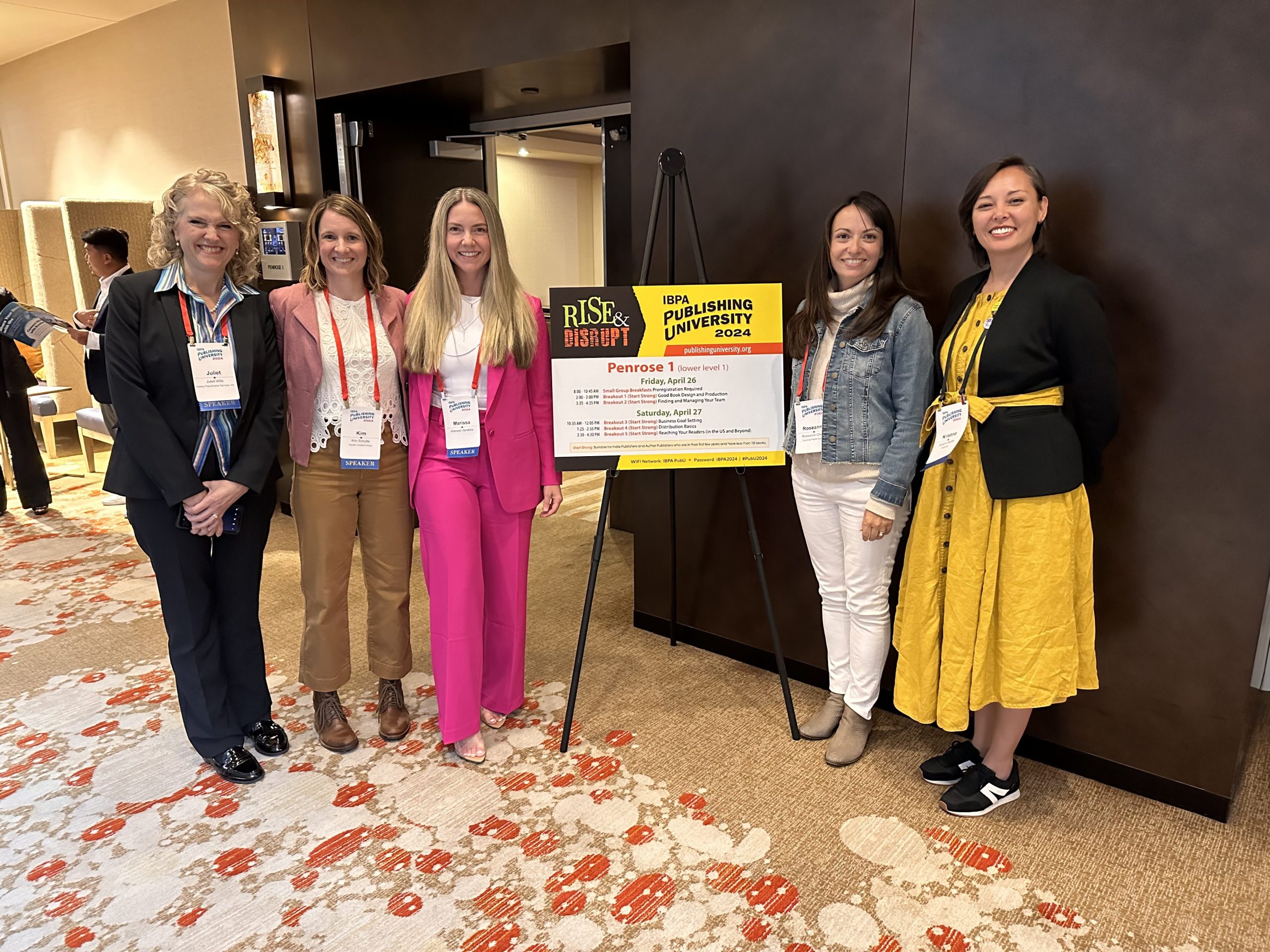
The “Reach Your Readers” panel, moderated by Kristina Radke (VP, Business Growth & Engagement at NetGalley, far right), addressed foundational questions for emerging publishers and authors. From the importance of early reviews to leveraging international rights, the panel offered diverse perspectives on connecting with readers from (l. to r.) Juliet Wills (VP Global Sales and Rights, Galaxy Press), Kim Schutte (Director of Consumer Marketing, Ingram Content Group), thriller author Marissa Vanskike, and Roseanne Cheng (Director of Business Development, DropCap Rights Agency).

IBPA Publishing University continues to honor the spirit of resilience and adaptability within the independent publishing community by hosting programs that are both informational and actionable, and creating a community that is open to learning, collaboration, and collective growth.

NetGalley is proud to partner with the IBPA and support independent publishers. Learn more about the NetGalley Member Benefits for IBPA members!

Read more of our 2024 conference wrap ups:

Divider

Industry Spotlight: Cynthia Shannon on Book Marketing, Early Reviews, and Cookbooks

Originally Posted on We Are Bookish.
Visit We Are Bookish for more industry interviews!

NetGalley members don’t just love books, they’re fascinated by all aspects of the publishing industry. That’s why in our Industry Spotlight series, we’re asking publishing professionals to tell us more about what a day in their life looks like and to share invaluable tips for members who interact with them through NetGalley. Cynthia Shannon, the Senior Marketing Manager of Food and Lifestyle at Chronicle Books, discusses the importance of early reviews, what her team looks for in member Profiles, and how to best review lifestyle books.
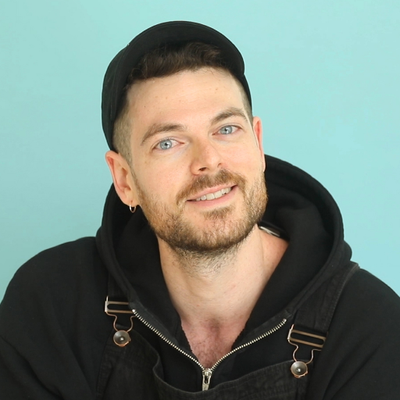
Cynthia Shannon, the Senior Marketing Manager of Food and Lifestyle at Chronicle Books

Meet Cynthia

Years in the industry: 15 (OMG)

First book you worked on as a publicist: The New Rules of Marketing and PR by David Meerman Scott. Working on it provided me with a great foundation right as the traditional media industry was getting disrupted. Pitching a journalist via Twitter was a novel concept at the time!

Current (or most recent) book you’re working on: Bagels, Schmears, and a Nice Piece of Fish by Cathy Barrow 

An indie bookstore you love: Omnivore Books in San Francisco

What does the role of a senior marketing manager entail? What’s your favorite part of your job? 

Marketing is about making sure the right message gets to the right people at the right time, and everything I do comes down to optimizing those three aspects for our food & lifestyle products. I love working with the creative and talented authors and my co-workers at Chronicle Books. I’m inspired every day to think differently about what we can do to improve our marketing efforts and raise awareness of all our amazing products.

People outside of the industry can have some funny or odd assumptions about our jobs. What do your friends and family think you do, and what do you wish people knew about your job? 

I think many people—including some authors—don’t realize why it takes so long to publish a book when many self-publishing platforms make it seem so simple. So many people are involved in bringing a book to market, and there’s a lot of expertise that goes along with it. I love reading the acknowledgments section of a book to be reminded of everyone who made a book happen: the editor and agent, designers, photographers, stylists, copy editors, operating managers, sales, marketing, and publicity staff. I’m always touched when I see my name listed there.

Help us take NetGalley members behind the curtain: What does the NetGalley request approval process look like for Chronicle Books? What should members keep in mind when making requests? 

This might be somewhat unique, but I set most of my books as available to Read Now. I have never seen an issue with getting our books into the hands of more people, especially pre-publication. The NetGalley community is made up of trusted readers and influencers, and their feedback—good and bad—is incredibly valuable as we gear up toward launch.  

How do the reviews that are published by members on NetGalley impact the pre-publication marketing you work on?

The pre-publication reviews are helpful in a number of ways:

1) They’re the first honest reviews we get from outside our publishing team, which helps us gauge actual consumer interest in the title and confirms our hunch in identifying an emerging trend from years ago.

2) They surface key aspects of the book that resonate the most with consumers, which helps us adjust the messaging and emphasize those aspects in media pitches.

3) They can flag mistakes in our messaging, which helps us pivot while there’s still time. 

For example, a few seasons ago there were some early reviews of a cookbook where reviewers were disappointed to see recipes that included meat. They had thought that it would be a vegetarian cookbook based on the cover, title, and description. While it was too late to change the cover or title, we were able to update the description to clarify that the cookbook contained recipes with meat. We also made sure to emphasize it in media pitches. Reviews improved after that, and it was a good lesson to learn internally as well.

What’s the most common misstep you see from NetGalley members that leads to a declined request?

While I set most of my titles as available to Read Now, my colleague Carrie Gao, School and Library Marketing Coordinator, says that having high approval and feedback percentages are certainly advantages and will usually lead to automatic approvals for any requested title. We will decline requests when we suspect the reviewer is probably not the right audience for the book: For example, when we see someone who mostly reviews Adult thrillers requesting a middle grade contemporary title about a pet shop. 

What advice do you have for members who are unsure of the best ways to review nonfiction books such as cookbooks or lifestyle books?

Anyone can Google a recipe for a dish that they feel like making. Good cookbooks will inspire you to try new dishes and build your confidence in the kitchen. Reviewers don’t need to make sure the recipes work—we have actual recipe testers for that—but they should scan the table of contents, read through the recipes, and follow the urge to run to the kitchen to see if they already have the ingredients on hand. Depending on what kind of cook you are, you may gravitate towards recipes that are quick, easy, and practical (like from the upcoming book A Dish for All Seasons by Kathryn Pauline) or specialized and time-consuming like perfecting your own bagels or masa (thinking of those in Bagels, Schmears, and a Nice Piece of Fish by Cathy Barrow and the forthcoming MASA by Jorge Gaviria). 

Lifestyle books range from the quirky to the practical and should be approached with that type of mindset. Discover books that speak to you, whether in parenting, astrology, or self-help. Also ask yourself, would you buy this book as a gift for yourself or a friend? 

What can newer NetGalley members, who may not have a high Feedback Ratio or strong blog/social stats yet, do to stand out to publishers? 

I would recommend having a full and complete profile. My colleague Carrie agrees, adding: Include any link to external sites you might own, including blogs and social media, as we’ll check them out to see how consistent of a reviewer you are or what your social platform might look like elsewhere. Be as accurate in your profile as possible. Make sure your member type is correct. We’ll take into account how long you’ve been a NetGalley member, as being relatively new could explain a low ratio and wouldn’t necessarily cost you any points.

Who are some book influencers you think are doing really cool things in online book reviewing spaces?

I follow several NetGalley members who cross-post their reviews to Goodreads, as it’s always interesting to see what other books they choose to review. I also queried my colleague Ailyn Pambid, Marketing Assistant (and respectable book reviewer in her own right: @wheresdabooks). Ailyn noted how there are some great book influencers on YouTube (such as Regan from @PeruseProject, Adri from @perpetualpages, and Cindy form @withcindy) and Instagram (Sol from @thesolreader, Oscar from @booksteahenny, Angela from @baosbooks, Hayle from @bookishbluebird, and Esther from @estherhfung). 

Is there anything we didn’t cover here that you’d like to add?

I rely on NetGalley to start the flywheel of pre-publication buzz. I’ve noticed that approximately half of my NetGalley reviews show up on Goodreads, and the Goodreads ratings feed into Edelweiss, giving sales reps some built-in support when meeting with booksellers and librarians. NetGalley also helps raise awareness with a core and influential readership. 

Thanks for chatting with me, Cynthia! 

​​Editor’s note: The above opinions represent the specific viewpoint and strategy of one particular publisher. Publishers and authors use NetGalley to help accomplish a variety of goals, and incorporate NetGalley into their overall marketing and publicity efforts in different ways. 


Divider

7 Popular Book Cover Design Trends

Darkly gothic and brightly illustrated book covers ruled 2019

Competition is tough to catch a reader’s eye as they browse at their local bookstore or library, or as they click through pages from an online retailer. A compelling cover can make a huge difference for drawing in new readers. 

In 2019, we saw book publishers lean into both moody, nature-inspired covers as well as bright and graphic covers for their books. To inspire you and your design team in 2020, we’ve rounded up some of the biggest book design trends we saw in 2019. 

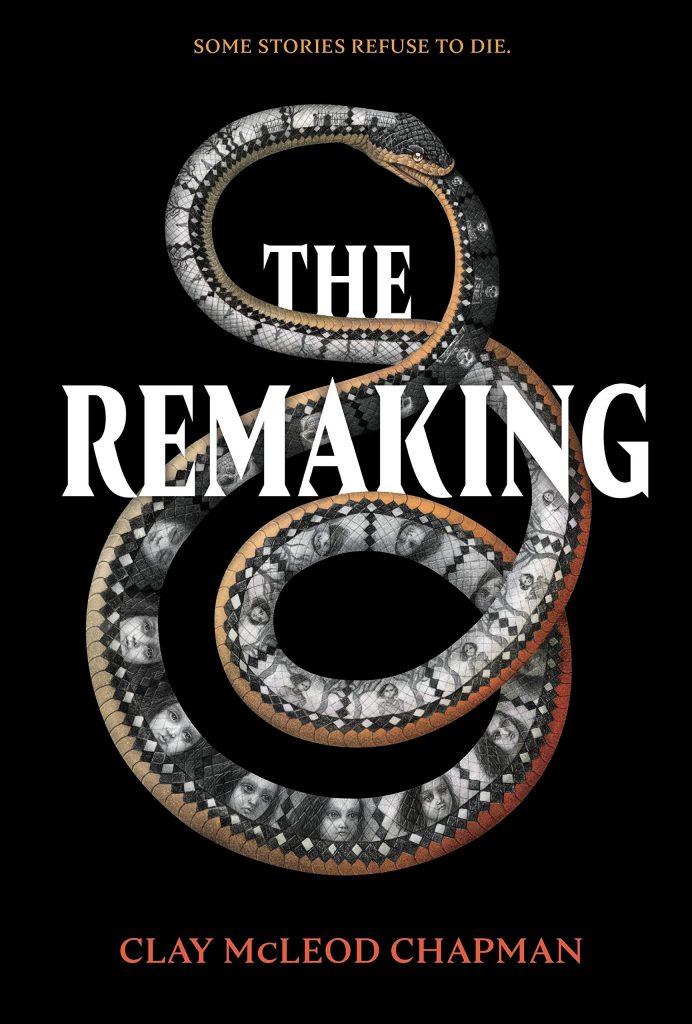
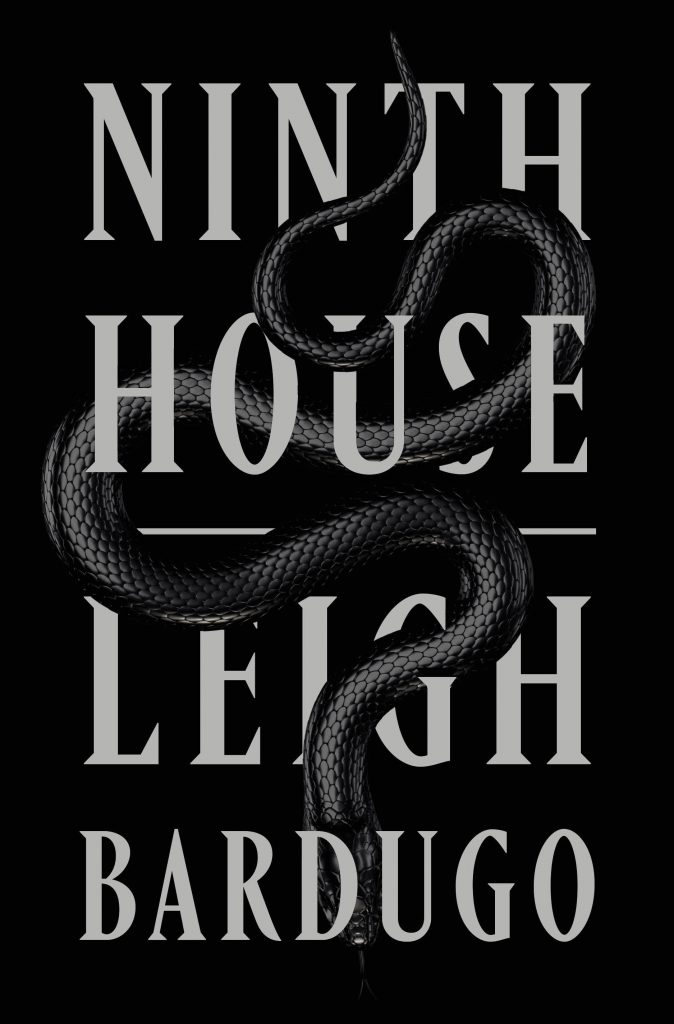
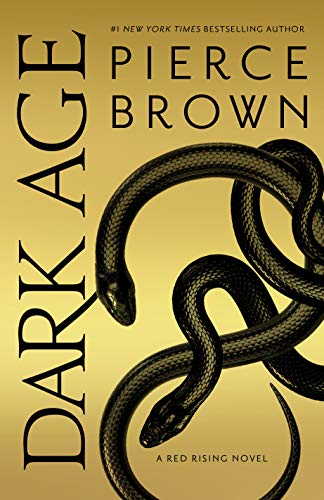
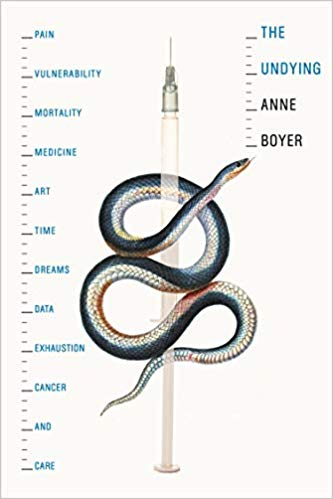
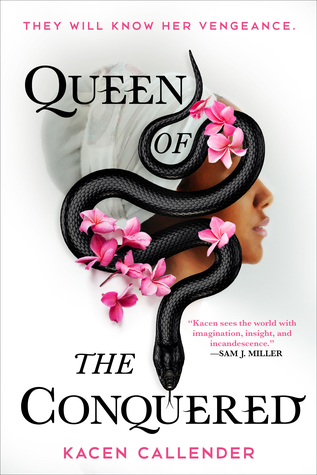
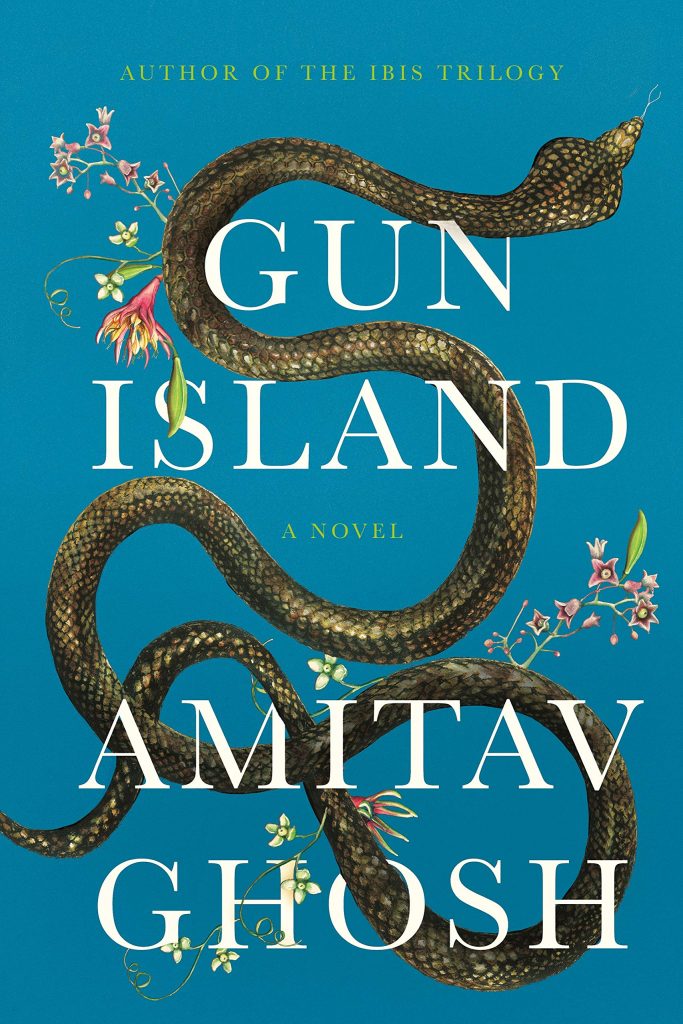
Snakes! 

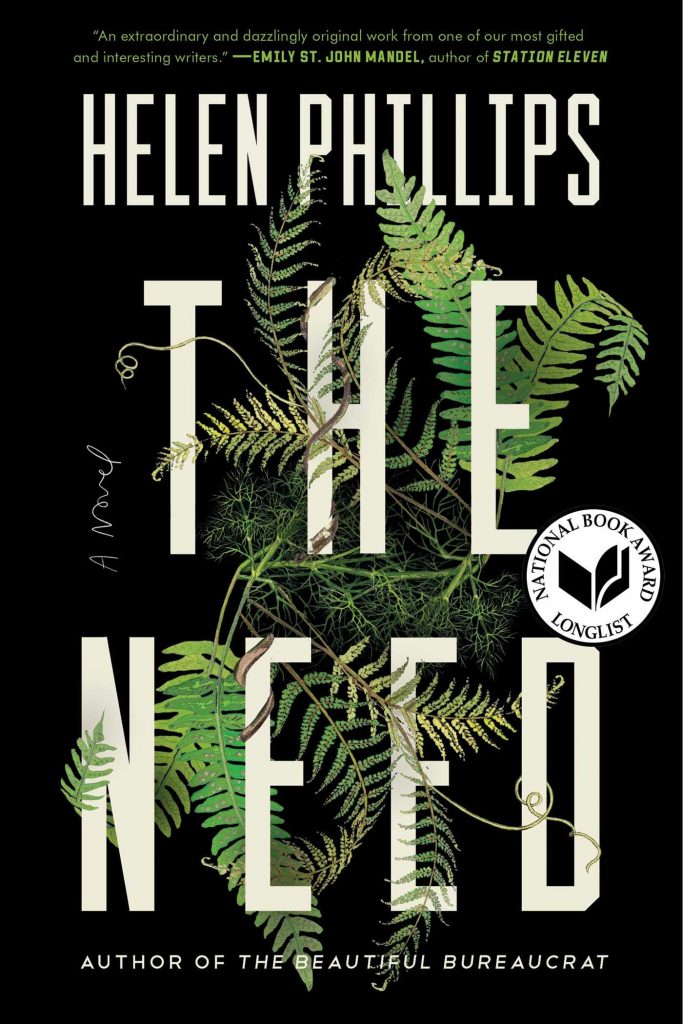
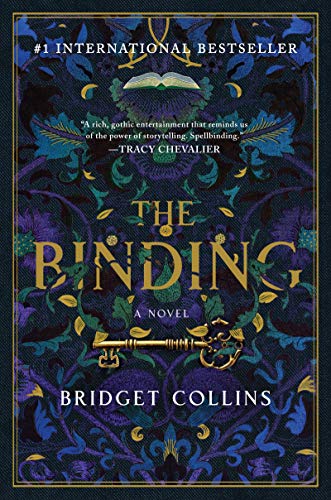
Snakes were top-of-mind for design teams in 2019. Snakes give these book covers an eerie sensibility, an association with forbidden knowledge, the natural world, and, in the case of The Undying, a medical edge.

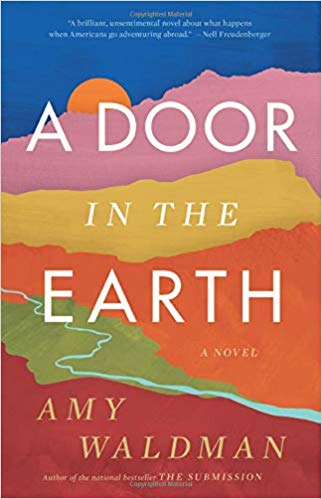
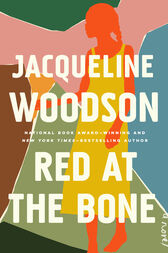
Pastel Color Blocks

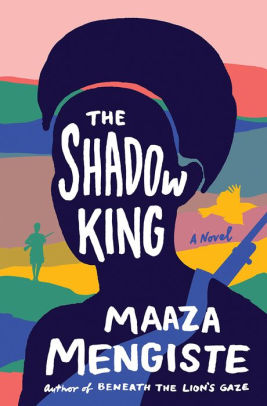
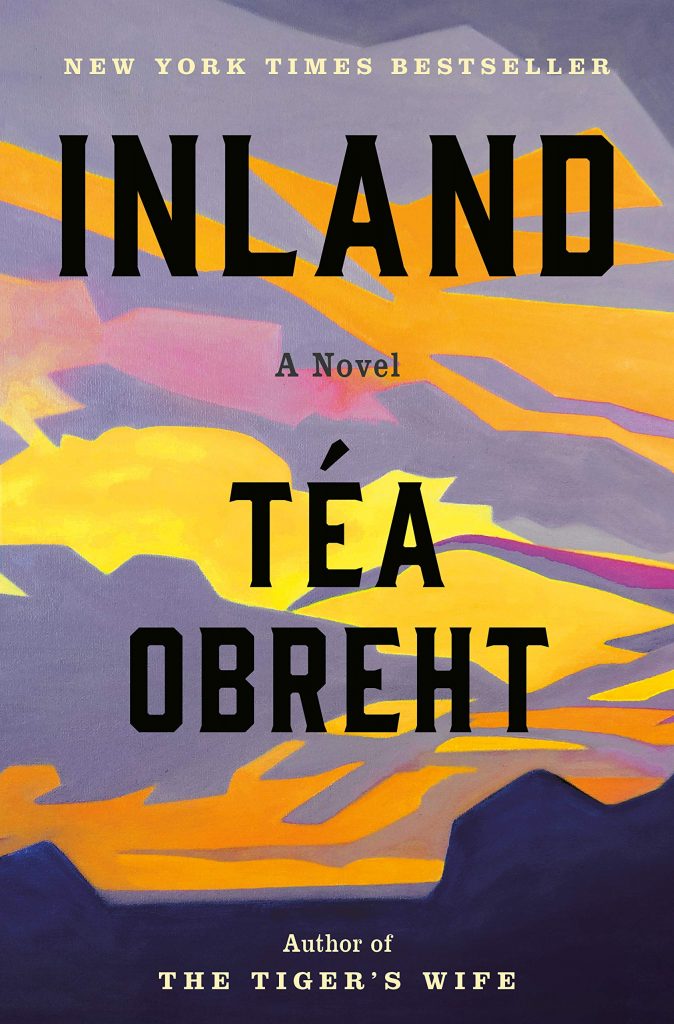
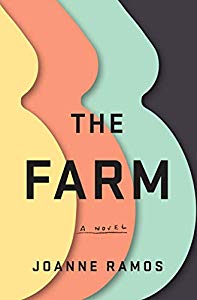
Pastel purples, oranges, yellows, greens, and blues drew attention when they appeared on bookshelves in 2019. Téa Obreht and Jacqueline Woodson hit bestseller lists with Inland and Red at the Bone, respectively. The pastel colors are bright and engaging without being overwhelming and the collage aesthetic gives the books an intimate feeling.  

Moody, Overgrown Vegetation

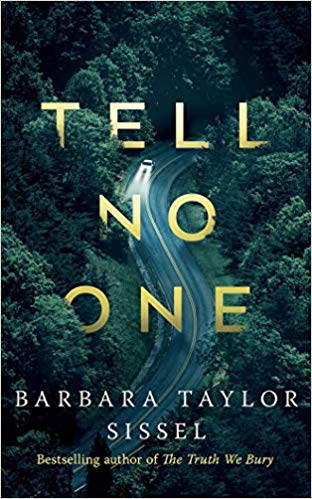
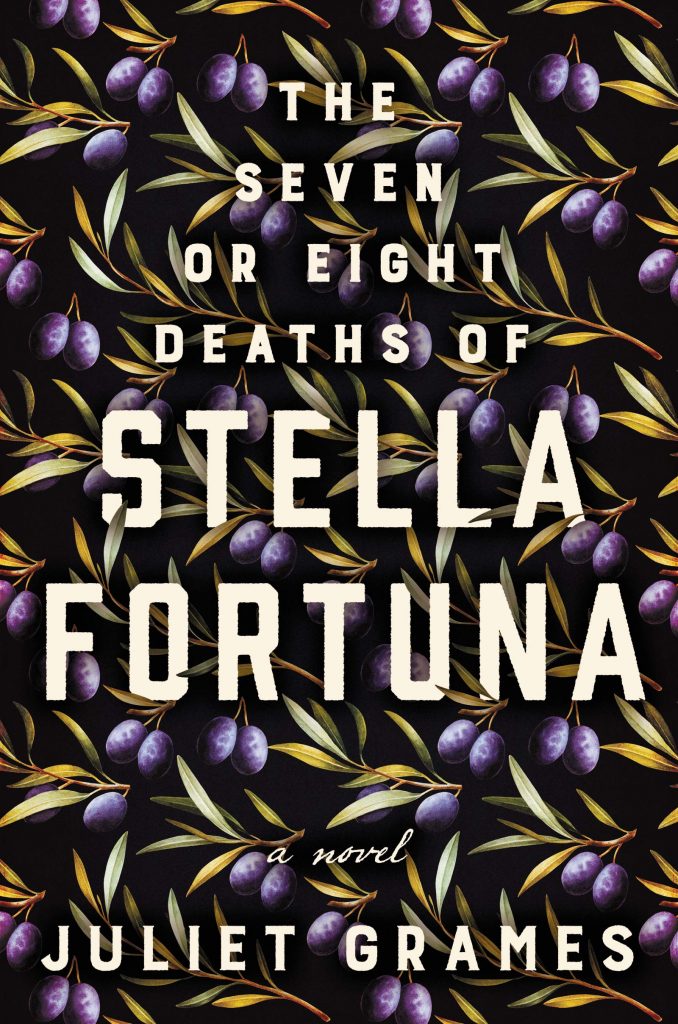
In 2019, books across genres looked more and more like gothic gardens.The lush, overgrown look could indicate a dense plot, full of secrets and mysteries like Tell No One or sprawling fantasies like The Ten Thousand Doors of January.

Repetitive Geometric Shapes

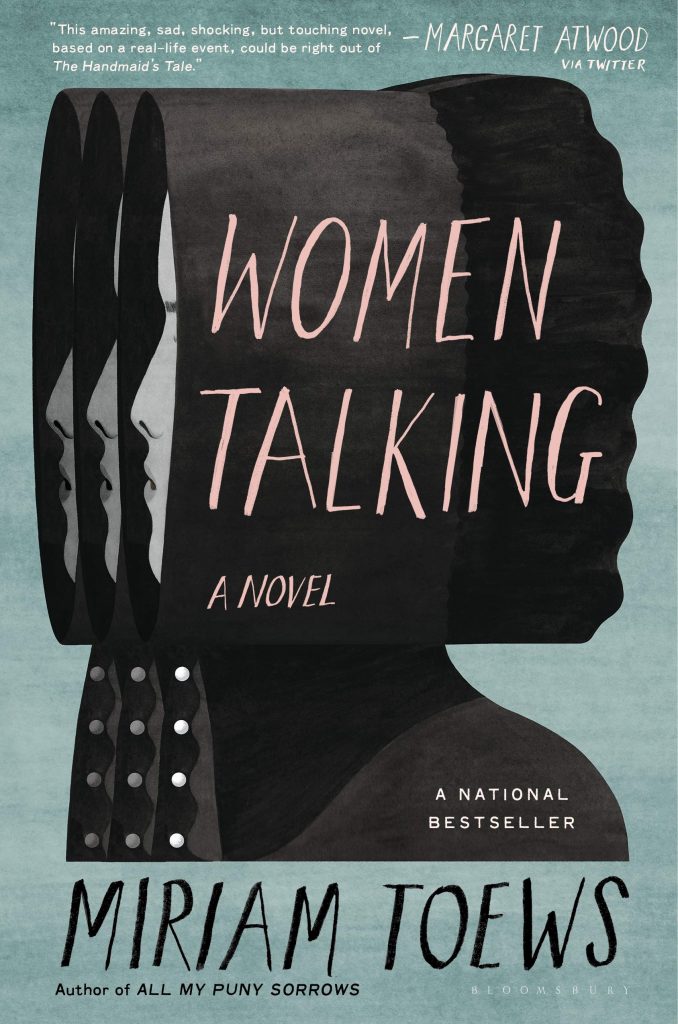
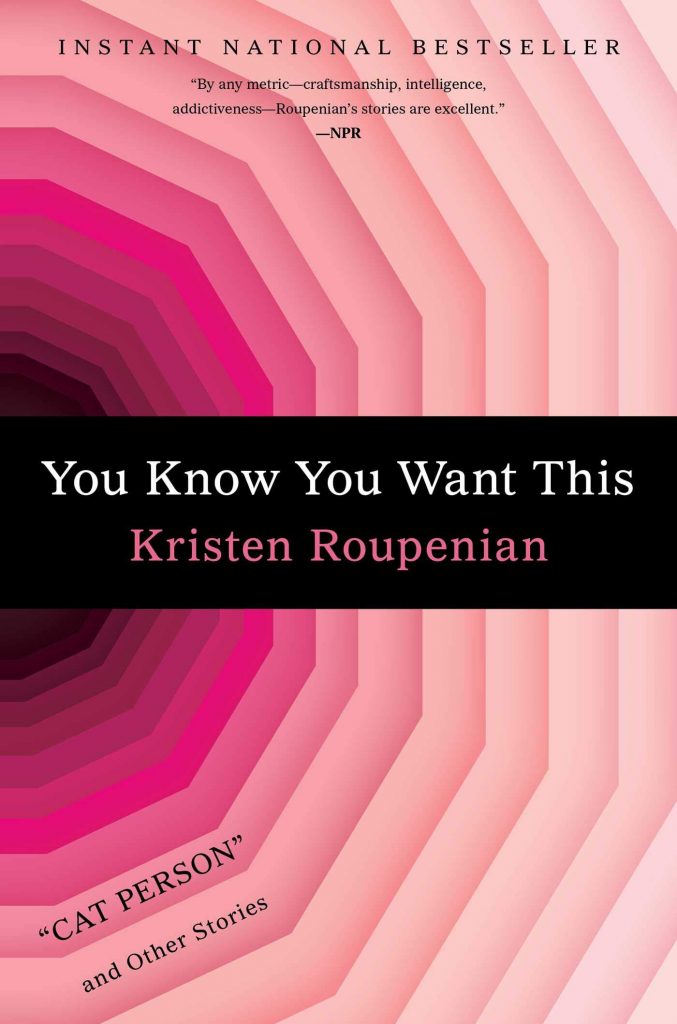
Some of the buzziest books of the year incorporated geometric repetition, including You Know You Want This, the debut short story collection from “Cat Person”  author Kristen Roupenian and Miriam Toews’ Women Talking, inspired by real-life events. The repetition of these shapes suggests behaviors repeating, shared experiences, and a hypnotic reading experience. 

Brightly  Illustrated Romances

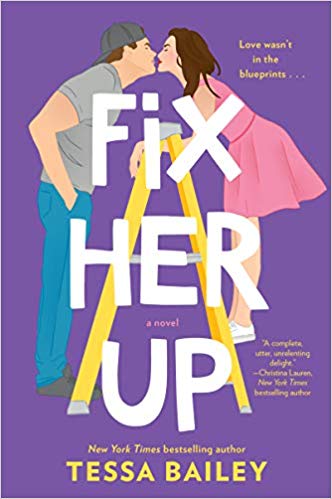
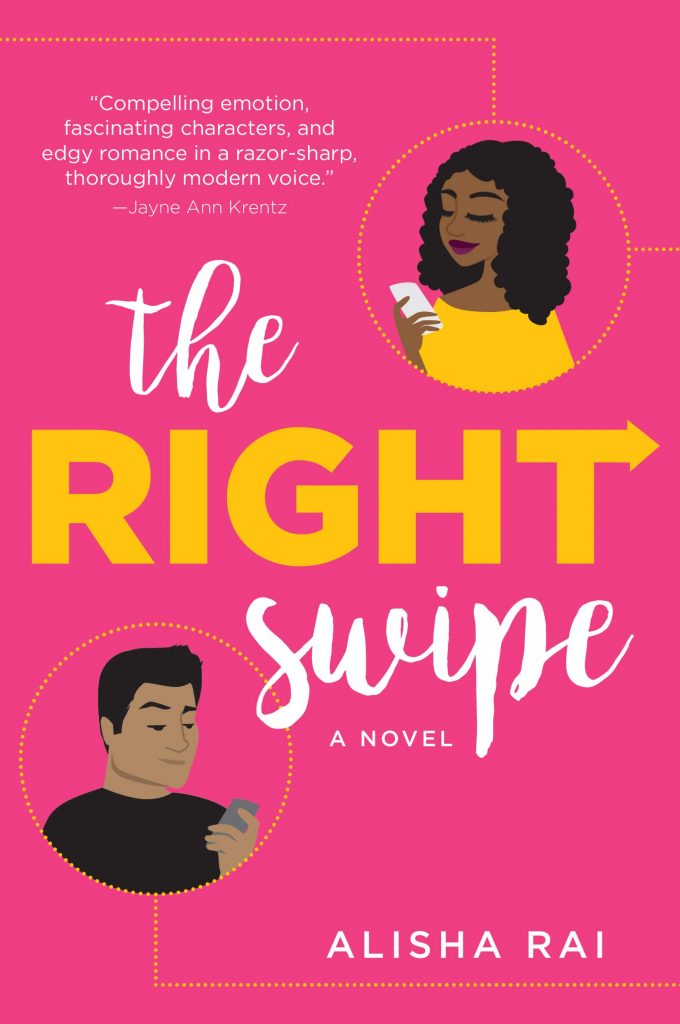
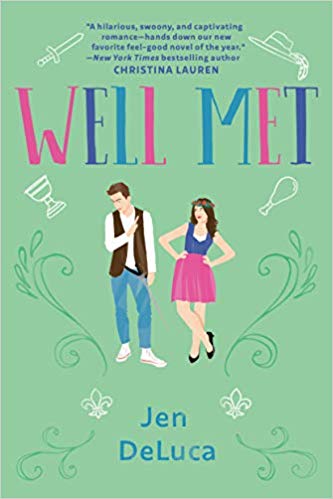
Some of the biggest romance novels in 2018 had illustrated covers (The Kiss Quotient, The Proposal) and we still saw that trend on the rise through 2019. Compared to the traditional, photo-realistic covers of historical romances and mass market romances, these illustrated romances tend to appeal to readers who might not consider themselves romance readers. Berkley is at the center of this trend.

Cindy Hwang, Vice President and Editorial Director at Berkley told NetGalley Insights,  “We wanted to showcase the modern, fun quality of some of our new contemporary romances, and the illustrated approach really stood out for its versatility and vibrancy. We keep things fresh by playing with different ideas and colors to suit the story and characters. We’ve now branched out into illustrating historical romance covers, something that hadn’t been widely done in the genre, and we’re thrilled by the positive early response.

Overlapping Words and Design

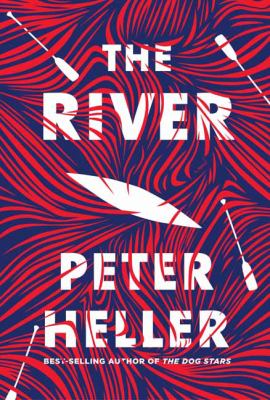
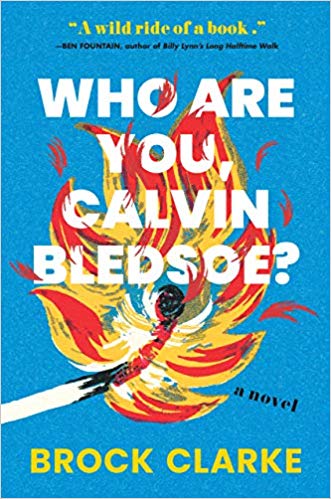
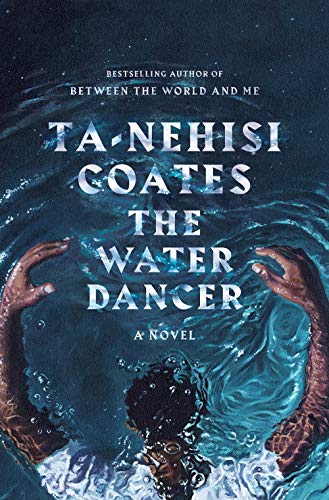
Like the gothic garden cover trend, we saw book covers where the design was integrated with the text – under waves for The Water Dancer and licked by flames in Who Are You, Calvin Bledsoe? In addition to making a strong visual impression, overlapping words and text lets readers know that they can expect an immersive reading experience.

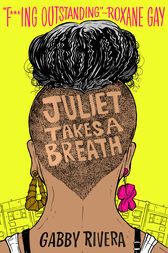
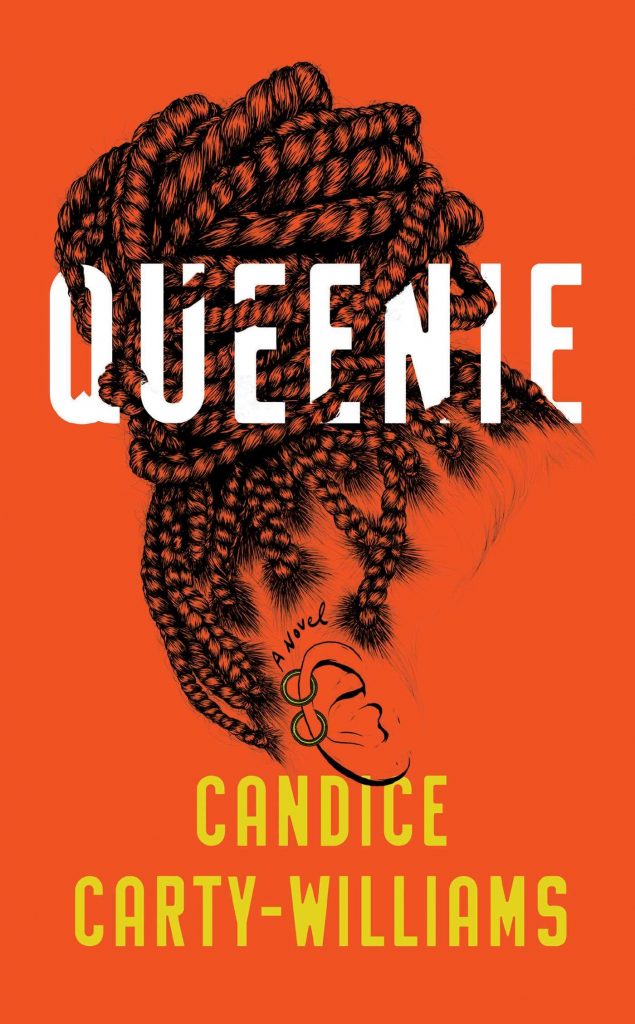
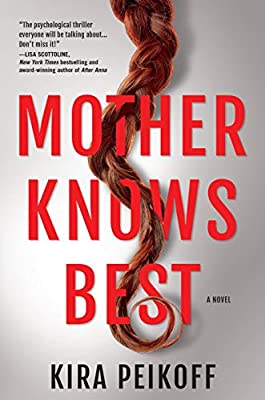
Hair

Titles were shaved into, braided into, and intertwined with hair on book covers in 2019. How we style our hair is one way that we express our unique personalities. Hairstyles, colors, and textures also have deep cultural resonances – cornrows, locs, buzzcuts, long braids, and bobs, to name a few. Books like Queenie and Juliet Takes a Breath used hair in their cover art to signify intimacy and the mix of personal and cultural. 


Make sure to subscribe to the NetGalley Insights newsletter for weekly updates about trends, best practices, industry news, and interviews through 2020 and beyond. 

Divider

Penguin Random House is Bringing Back the Book Fair

Remember the pure, bookish joy of a middle school book fair at PRH’s
Book Fair for Grownups

“We took a playful approach with this event format to inject a bit of that joy into all our lives and to celebrate book nerds everywhere”

On Saturday, November 23, Penguin Random House is bringing bookish nostalgia to life in a Book Fair for Grownups. Attendees will be able to relive their school book fairs in the 80s and 90s, browse books curated by the PRH team, take pictures in a school photo booth, peruse retro crafts by Glue, and see special appearances from PRH authors.

Penguin Random House warns that attendees might experience “Severe middle school flashbacks! Tables stacked with books! Pencils! Mr. Sketch Markers! Erasers! Cubbies! Pins! Patches! Spin art! Snap bracelets! Custom Interactive Mad Libs!”

We heard from members of the cross-departmental team that created this Book Fair about how this event was born, how they are working with partners and sponsors like Belletrist, Urban Outfitters, and Out of Print, and how they are using it to connect with their readers. 

Thanks to Alison Rich & Rachael Perriello, PRH Author Platforms, and Carly Gorga, RH Events & Partnerships, who gave us an inside look at the creation of this event.

What’s the origin story behind the Book Fair for Grownups? 

The idea of Book Fair for Grownups has been floating around Penguin Random House for a while because for so many of us, the book fairs of our youth are what first got us excited about reading (not to mention all of the super cool pencils, markers, Trapper Keepers, etc). By the time this summer rolled around, we believed we had enough excitement among our staff that the time was right to make it happen for the fall.    

There’s been a lot of collaboration across various PRH teams including author platforms, consumer marketing, sales, events, and our publishing divisions to bring this event to life, which has been really fun.

Who is the audience for the Book Fair?

There is no one archetypal “student” at Book Fair. Whether you are a millennial, a mom, or a millennial mom – if you grew up loving book fairs, watching Reading Rainbow, and getting lost in the stacks, this event is for you.

Why this particular era of Book Fair? What are you hoping it evokes for the attendees?

“It made sense to us to try to capture some of that passion offline with an experiential format that would bring our childhood love of books to life, embrace the bookish lifestyle, and create a sense of community around our books and authors.” 

We focused on an 80s / 90s-era book fair because that’s when a lot of us were in school, and also because there’s a lot of nostalgia for that time. That’s definitely the feeling we’re hoping to evoke for guests – the magic of being back in school, shopping for books and school supplies, trading stickers, tie-dying t-shirts, wearing scrunchies, doing Mad Libs. Life gets complicated as you get older and we want to bring people back to a lighter, less complicated time in their lives . . . if only for an afternoon.

How does this event fit into PRH’s larger strategy for reader outreach?

Penguin Random House’s mission is to foster a universal passion for reading by partnering with authors to create stories that inform, entertain, and inspire, and connect them with readers everywhere. Given that reading is such a passion point, it made sense to us to try to capture some of that passion offline with an experiential format that would bring our childhood love of books to life, embrace the bookish lifestyle, and create a sense of community around our books and authors.  

It’s unique for a publisher to have public-facing events like this. Most consumers tend to think about buying books from bookstores or online retailers. How are you hoping this event will influence consumer perception of PRH?

Our booksellers and online retailers are invaluable partners. Consumer-facing events like Book Fair (among many others hosted by various divisions of Penguin Random House) are simply one of the many ways we can connect directly with readers: To meet them. To talk to them. To hear directly from them what they’re loving, what they’re reading, and how we can better serve them. It’s important for us as a business to know our audience, and events like Comic Cons, book festivals, and now Book Fair make that possible. Books serve so many purposes – they start dialogues, bridge gaps, connect individuals and communities, transform lives – but they also bring people so much joy. We took a playful approach with this event format to inject a bit of that joy into all our lives and to celebrate book nerds everywhere.

How did you decide what kinds of activities or giveaway items the audience would be most interested in?

“It’s important for us as a business to know our audience, and events like Comic Cons, book festivals, and now Book Fair make that possible.”

This was really a collaborative effort from our team. We have a Book Fair brain trust of folks from across Penguin Random House, and we did a lot of brainstorming, reminiscing and laughing, and that’s where we came up with most of the ideas and activations you’ll find at Book Fair. We also worked with a host of amazing partners and sponsors including Office Depot, Urban Outfitters, Glue, Tiger Beat, Mrs. Grossman’s, Lip Smacker and our colleagues at Out of Print.

Tell us about the partnership with Belletrist for this event. Why did you choose to work with them and what does that partnership look like?

Belletrist has been a fantastic partner for PRH since its inception. When we realized we both had the same instinct to bring readers back to the book fairs of their youth we immediately knew we had to partner with them on it. They’ve had a hand in inspiration, in bringing in sponsors, in promotion, and sheer enthusiasm.

What kinds of books can we expect to see at the Book Fair?

Because this event is for those 21 and over, there will be a wide assortment of books for grownups for sale (including YA!). The title selection was curated by Abbe Wright from Read it Forward. Some tables of our titles you can expect to see are “Brand Spankin’ New,” “Munchies,” “Heartthrobs,” and “TBT,” to name a few.

Can you give us a hint about any of the authors who will be there?

Principal John Hodgman will be joined by Deb Perelman, Adam J. Kurtz, Mya Spalter, Summer Rayne Oakes, and others. But you’ll have to come see for yourself to find out more!


Tickets are available for the Book Fair for Grownups here.

*Interviews have been edited for clarity and length.

Divider