A More Sustainable (and Affordable) Strategy for Event-Ready Marketing

As publishers look for ways to tighten conference budgets while also prioritizing  sustainability, NetGalley and Booktrovert offer solutions. With smart, streamlined alternatives to traditional print giveaways, we have the tools and data to measure success. Taking your digital catalog to industry events is practical, cost-effective, environmentally friendly, and surprisingly simple.

Increasingly, teams are rethinking stacks of ARCs that require weeks of printing, expensive shipping costs, and a gamble on estimated demand. Digital access can replace or supplement physical galleys, ensuring that every interested attendee walks away with a way to read your book, even if your last print copy has already left the booth. Here’s how!

Bringing NetGalley to Trade Conferences & Consumer Conventions

How to Share NetGalley on the Show Floor

A simple printed QR code can sit beside your remaining ARCs or replace them entirely. Scanning the QR code can send attendees to:

  • Request
  • Read Now
  • A Widget Link

The CTA you choose depends on your goals, and you should also consider the type of event. For example:

  • At a trade conference like Winter Institute, where booksellers are the primary audience, a Widget Link gives these attendees instant access, a benefit when you need the broadest reach exclusive to attendees of the event.
  • At consumer-facing shows like BookCon, use Booktrovert instead to offer a public, large-scale digital giveaway or sweepstakes instead (more on that below).

TIP: While some publishers link to a single priority title, you could also point attendees to your NetGalley Publisher Profile to showcase your full catalog. Or, if you want a single hub for multiple links, a LinkTree QR code works beautifully. When using Booktrovert, consider a multi-book campaign to promote up to 10 titles all on one landing page.

Post-Event Follow Up

A digital approach is perfect for after-event follow-up.  If you’re scanning badges or gathering business cards while meeting librarians, booksellers, or reviewers at the booth, follow up after the show with a NetGalley widget. It’s an easy, professional way to ensure attendees can immediately dive into your digital review copy (DRC) or advanced  listening copies (ALCs)

TIP: Make NetGalley part of your booth design! Postcards, bookmarks, and other creative handouts are perfect to customize with your logo, cover art, and a QR code. Download a template here.

Bringing Booktrovert to BookCon (and Beyond)

Where NetGalley shines for industry outreach, Booktrovert is tailor-made for consumer shows— especially high-demand events like BookCon, where print copies disappear fast and shipping budgets disappear faster.

With Booktrovert, you can set up:

  • Limited-Time digital giveaways (claim a copy), or
  • Limited-Quantity sweepstakes (enter to win)

…all created and scheduled from within your existing NetGalley account. It takes only a few minutes to set up, and can be finalized 24 hours before your campaign launches.

Booktrovert is a BookCon Sponsor in April 2025, and will be cross-promoting campaigns at the event, giving your titles an even bigger push. Reach out if you’d like to participate in Booktrovert’s show plans, including in-booth digital giveaways, and more!

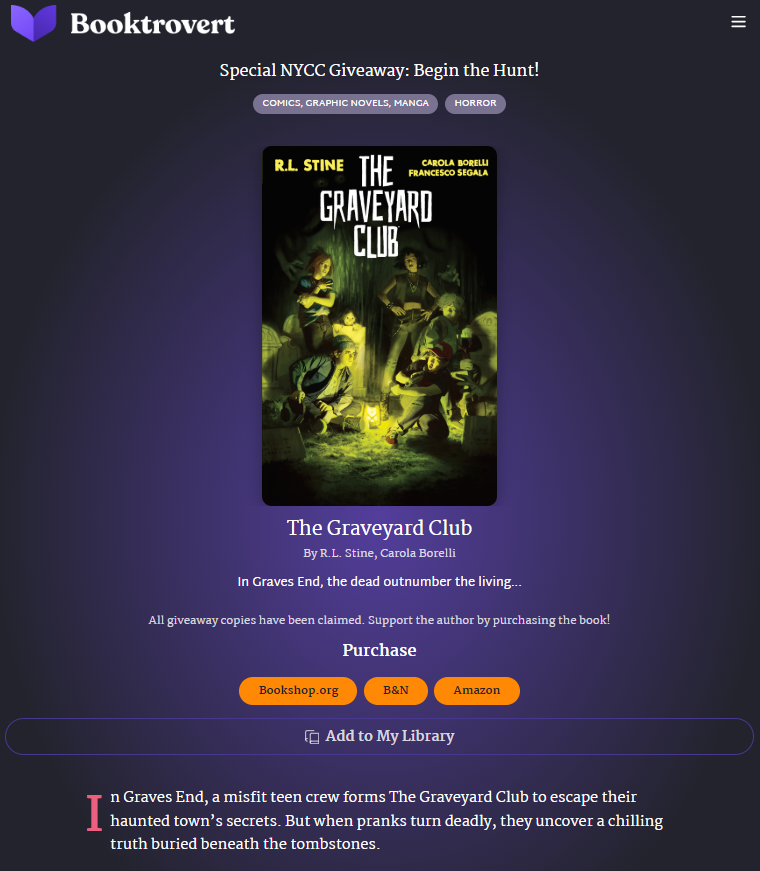
REAL LIFE EXAMPLE: Ashey Kronsberg at Boom! Studios launched a Booktrovert campaign to reach New York ComicCon attendees with a combination of outreach to their own newsletter mailing list and a QR code at the show to help direct traffic. 

As Ashley told us, digital tactics are “becoming more of a need when it comes to B2B shows as not all retailers/librarians can bring physical copies back with them; so I anticipate it will become more unique for consumers as well.” This is where Booktrovert can fill in the gaps! 


Built-In Event Insights

With Booktrovert’s Detailed Analytics, you’ll be able to use the email addresses of everyone who entered your Sweepstakes or Giveaway to make post-event follow-up both thoughtful and targeted since they are already opted-in to hear from you. It’s an efficient way to keep the momentum going long after the event ends.

Plus, learn more about demographics and who your book appeals most to, giving you actionable data to put more informed strategy behind your marketing tactics. 

Why Digital Makes Sense

Beyond convenience, bringing NetGalley and Booktrovert to events significantly reduces printing and shipping waste, making your conference presence more sustainable. It also lowers costs: no unexpected shipping charges, no last-minute reprints, no guessing how many copies to bring. Instead, every attendee can reliably access your titles in a format that’s immediate, accessible, and aligned with their reading preferences.

Digital doesn’t necessarily need to replace print copies, but it does complement it in powerful ways, ensuring you never miss an opportunity to connect a reader with a book.

If you’d like help planning your strategy for an upcoming conference, or want support choosing links, QR code destinations, or Booktrovert campaign options, we’re here to help.

Divider

London Book Fair Wrap-Up 2025

The London Book Fair 2025 was busy – both for NetGalley and for the book trade in general. Publishing Perspectives reports around 300,000 attendees and a 10% increase in activity in the International Rights center. It was certainly noticeable how busy all the halls at Olympia were, especially on the first two days of the fair. It felt like old times, even as we ushered in the new with our Firebrand Group stand moving to a bigger, better and more spacious area.

With more room in our stand, we were able to conduct even more meetings than usual and make the most of our whole Firebrand Group – NetGalley, Firebrand Technologies, Supadu, and Media Do International – being in the same place at the same time.

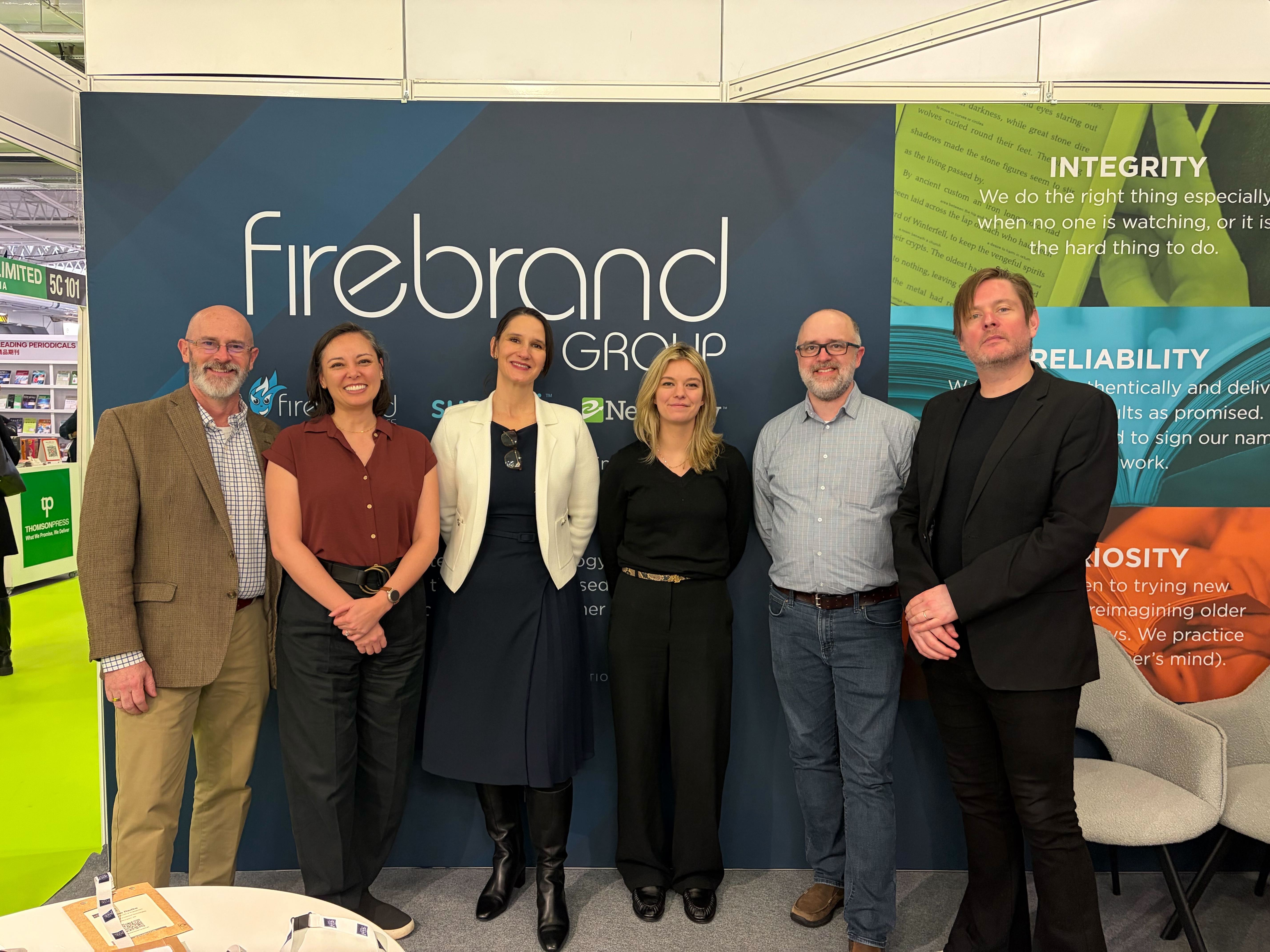
Clients & colleagues of the Firebrand Group at London Book Fair

While there are uncertainties out there for global publishing, this year’s theme, “Defining the Future of Creative Content”, hinted at the number of conversations surrounding AI. There was an energy and a spark across the fair as businesses weighed the threats and opportunities throughout the industry. 

The announcement of Booktrovert – a brand new, standalone consumer marketing platform powered by NetGalley – was timed to coincide with the fair. Booktrovert will be launched in Q2 2025, as a destination website where readers can celebrate their love of books by participating in digital giveaways, special promotions, and fun bookish activities. Publishers and authors looking to reach U.S. readers will be able to start scheduling campaigns very soon!


Aside from the meetings and the long queues for coffee, London Book Fair is all about connections. The opportunity to discuss ideas in person with both clients and colleagues is always a pleasure. The energy of this year’s London Book Fair was welcome to see, and promises much for the rest of the year!

Stuart Evers (Director, NetGalley UK) and Kristina Radke (SVP, Business Growth & Engagement) at the Firebrand Group stand during LBF

Divider

ABA Winter Institute Wrap-Up 2025

The 2025 Winter Institute, presented by the American Booksellers Association, was one of the most high-energy, collaborative, and emotionally charged events we’ve attended. While we acknowledge the reports of a contentious community forum, the personal experience of the NetGalley team members who attended was one of optimism and hope. From booksellers eager to get started or learn how to utilize NetGalley even more to publishers discussing evolving industry trends, we found the gathering to be dynamic and insightful overall.

Booksellers: Learning, Listening, and Looking for Audiobooks 

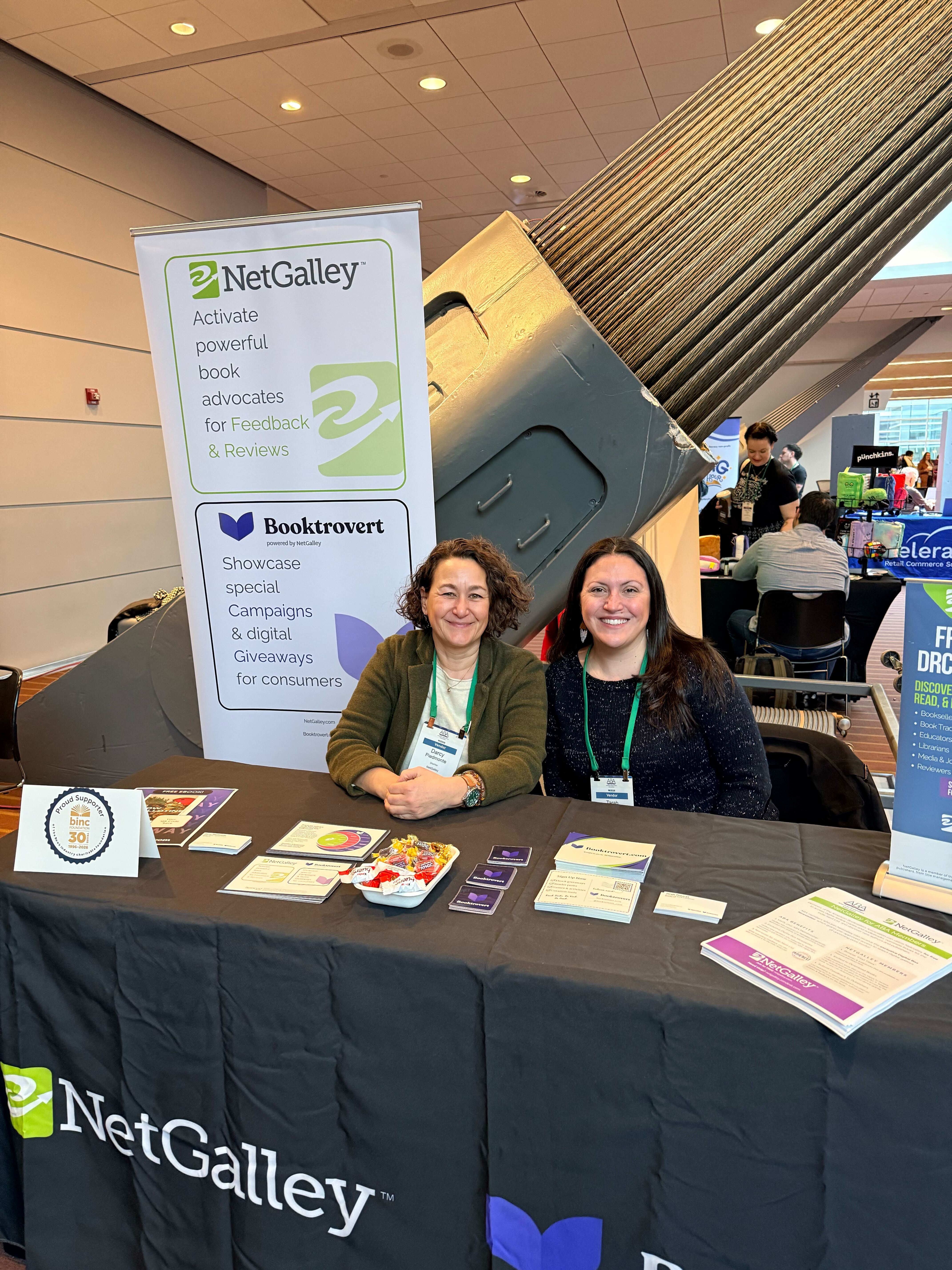
Tarah Theoret (VP, Community Engagement) and Darcy Piedmonte (Director of Customer Acquisition & Success)

Winter Institute remains an incredible opportunity to connect with booksellers at all stages of their careers. This year, we met many new booksellers who were excited to learn how to utilize new tools available on NetGalley (like the NetGalley Reader) and confirm that their staff could sign up for their own NetGalley accounts and use the ABA store number. Education was a key theme for us, ensuring that booksellers understand widget invites, auto-approvals, feedback expectations, and how NetGalley can help streamline their workflows.

One persistent misconception we addressed was the belief that booksellers are required to maintain an 80% Feedback Ratio on NetGalley. While it is recommended that all member types submit Feedback, we recognize that writing a review may not be a priority for booksellers in the same way it is for a journalist or consumer reviewer. As NetGalley continues to evolve, we are exploring ways to further customize the Feedback process for booksellers and other member types.

A recurring theme in our conversations? Booksellers want more audiobooks! Several expressed that audiobooks help them keep up with their TBR lists and allow them to be more effective handsellers. Our response? “Tell your sales reps how important audiobooks are to you and your staff,” because booksellers really care about reading books before including them in their inventory and selling them. In other words, hand-selling is alive and well and distinguishes the indies from other retail spaces.

Publishers: Digital Expansion and Strategic Conversations 

A notable question from many publishers was, “Can you tell us more about NetGalley’s reach?” While the focus at Winter Institute remains the bookseller community, publishers are keen to hear how NetGalley connects them to independent booksellers, and also other member groups like librarians and journalists. They were interested in stats, reporting, and facilitation of communication with those who’ve interacted with their books, particularly when comp books, or additional titles by a given author are published. To learn more about NetGalley’s reach, check out our 2025 Community Update and Community Spotlight on Children’s and Middle Grade activity!

An additional trend in the Galley Room was the increasing use of QR codes for digital access. We were happy to show how easy and sustainable QR codes can be right at our table. A partnership with Patagonia Books allowed us to exclusively offer their book, Tools to Save Our Home Planet, via QR code. A number of other publishers incorporated QR codes alongside physical galleys in the Galley Room and we were thrilled by this interest in a growing digital shift. We encourage publishers to further streamline their processes by linking straight to NetGalley and ensure a seamless experience for booksellers. To that end, we also shared a QR code of our own Sustainability in Publishing post. 

We also planted seeds for NetGalley’s upcoming consumer marketing opportunity, Booktrovert, and the response was overwhelmingly positive. Publishers have long wanted to target both book trade professionals and consumers, but not necessarily in the same space. When they heard that “it’s coming,” excitement was palpable.


Looking Ahead: Opportunities & Next Steps 

Overall, Winter Institute 2025 was an energizing reminder of the passion, dedication, and resilience of the book industry. As booksellers, publishers, and industry professionals continue to adapt and innovate, NetGalley remains committed to supporting the connections that bring books into the hands of readers everywhere.

Divider

Audio Publishers Association Conference 2025 Wrap-Up: Key Takeaways and Trends

This year’s Audio Publishers Association Conference (APAC) reaffirmed what industry professionals have long suspected: the audiobook market is not just healthy—it’s thriving. With digital audio surpassing e-book unit sales in 2025 and maintaining double-digit annual growth, the format’s dominance is clearer than ever. Industry leaders, including Simon & Schuster CEO, Jonathan Karp, underscored the importance of audio in expanding readership and accessibility, particularly for audiences who might not otherwise buy a book.

Audio’s Expanding Role in Publishing

One of the biggest themes of APAC 2025 was how audiobook sales augment rather than cannibalize book sales. In every business track session, publishers emphasized access to new audiences. In fact, audio is driving book acquisitions, according to Chris Lynch (President & Publisher for S&S Audio) in conversation with Karp. Many bestsellers today originated as self-published audiobooks, proving that the format is an entry point for new voices. Publishers are paying close attention to indie creators and original projects designed specifically for audio. Karp noted that “audio is integral to our growth strategy,” with major publishers actively seeking to acquire audio publishers and strengthen their foothold in this growing sector.

Short-form audio also emerged as a key opportunity, with speakers emphasizing that some projects are better suited to spoken-word formats than print. While economic challenges exist—listeners often associate longer audiobooks with greater value—there is enthusiasm for exploring more flexible pricing models to accommodate shorter content.

The AI Debate: Balancing Technology and Human Artistry

A collective groan rippled through the audience when AI narration came up. The tension is clear: while AI offers potential for cost-effective solutions, especially for backlist titles that might not otherwise be produced, it also raises concerns about diminishing the human artistry at the heart of audiobooks. Chris Lynch noted that AI could help bring audiobooks to underserved markets where traditional production wouldn’t be financially viable, but Karp reminded attendees: “You are artisans… essential to the success of audiobooks.”

For international markets, AI-assisted translation and narration could help expand access, but industry leaders emphasized the importance of local voices. Listeners often prefer narrators who match their regional accents and cultural contexts. The balance between AI’s efficiency and human performance remains a crucial industry challenge.

Marketing Like You Mean It

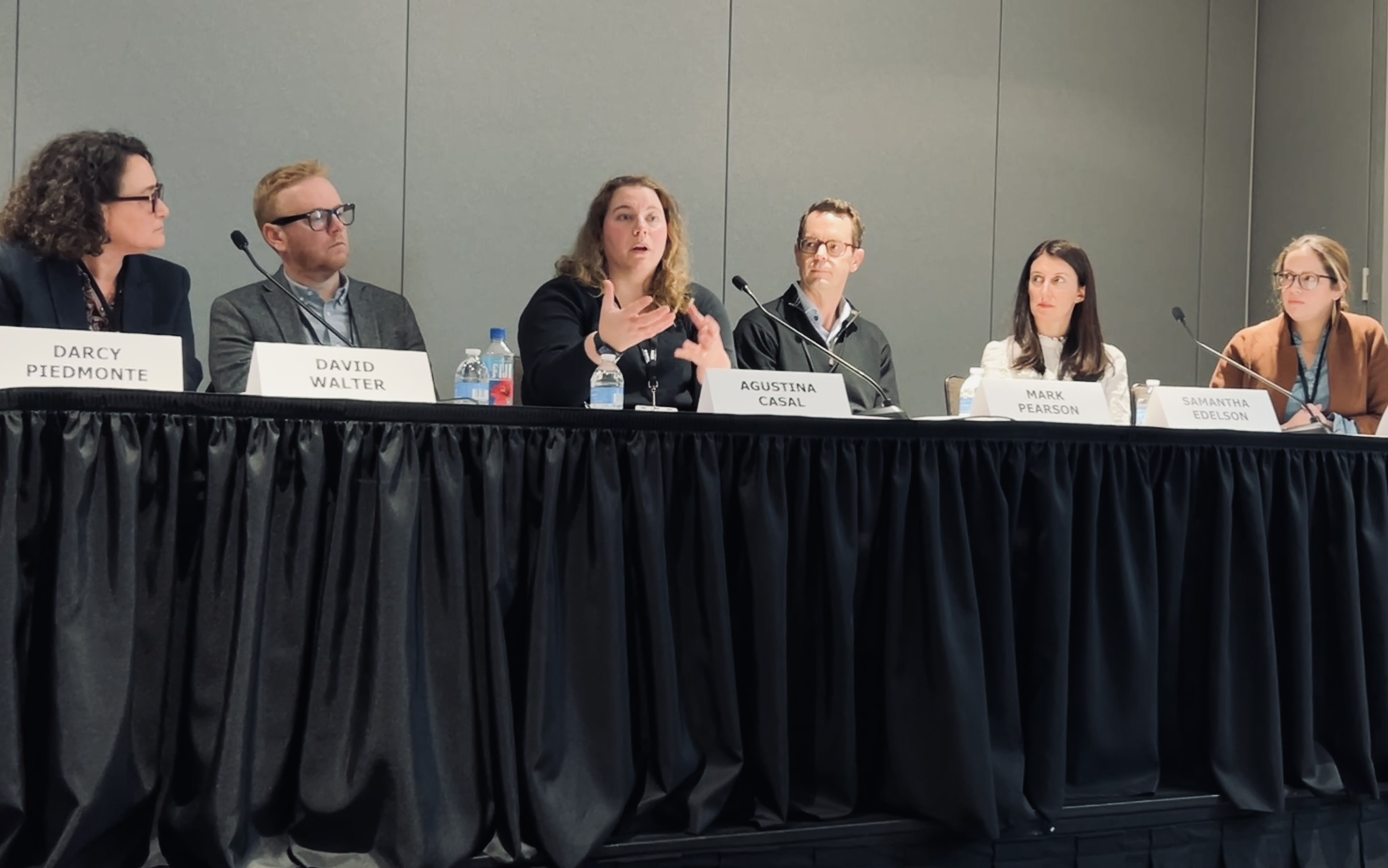
A standout session from the conference was Seizing the Rise of Audiobooks, Marketing Like You Mean It, moderated by NetGalley’s own Darcy Piedmonte, Director of Customer Acquisition & Success. Piedmonte led a dynamic conversation on how publishers can move beyond the fear that audiobooks cannibalize print sales and instead embrace the rapid expansion of audio into new and diverse markets.

Marketing Like You Mean It panel at APAC 2025

Panelists included:

  • David Walter, Executive Director of Client Development – Books for Circana
  • Agustina Casal, Director of Digital Sales & Marketing for Ingram Content Group
  • Samantha Edelson, Vice President of Marketing for Macmillan Audio
  • Mark Pearson, Co-Founder & CEO of Libro.fm
  • Jess Kessler, Head of Brand & Content Marketing of Audible, North America


The discussion covered key strategies for innovative and creative audio marketing, including how audiobook marketing continues to evolve alongside digital media consumption. Some of the biggest trends discussed included:

  • All Boats Rise: When audiobooks do well, all books do well. While print stays remarkably stable over time, new formats add to publishers’ overall sales.
  • Podcasts & Audiobooks: The impact of podcasts on audiobook sales remains a topic of debate. While some see competition, others view it as an opportunity to inspire nonfiction authors to craft compelling, high-quality content.
  • Younger Audiences & Genre Growth: The 18-25 demographic is rapidly growing, particularly in nonfiction (well-being) and genre fiction (romance, thriller). The increase in kids’ audiobook consumption also presents a major opportunity, especially through screen-free speaker devices like Yoto and Toniebox.
  • Fandom Mentality: Readers increasingly engage with books like fans of TV series or movies, wanting content across multiple formats. The success of multicast productions, such as 1984 featuring Cynthia Erivo and Andrew Garfield, exemplifies how casting choices can draw in new audiences.
  • Gaming Crossovers: Creative marketing strategies are reaching new audiences, for instance the Red Dead Redemption gaming community, with projects like Red Dead’s History: A Video Game, an Obsession, and America’s Violent Past (narrated by Roger Clark, the iconic and award-winning full performance-capture actor) that connect books to their interests.
  • Discoverability & Metadata: Ensuring accurate and refreshed metadata remains critical. Publishers are investing in tools to optimize audiobook discoverability across platforms.
  • Opportunities for Marketing: Audiobooks offer a multitude of ways for booksellers, narrators, educators, and influencers to bring stories to life through listening.

Global Audiobook Market: What’s Next?

The international audiobook market is evolving rapidly. Emerging markets like France and Brazil are set to accelerate their growth, learning from the U.S. experience.

  • France is on the verge of becoming a mature market, aided by a booming graphic novel-to-audio pipeline.
  • The Nordic region remains a leader, with 60% of books consumed in audio format, driving authors to write with audio-first storytelling in mind.
  • Spain and Latin America are key areas of investment, with publishers focused on translating backlist titles and creating original Spanish-language content.
  • Local accents matter—listeners in Portugal prefer European Portuguese over Brazilian, and Spanish-speaking listeners are divided among regional dialect preferences.
  • The German children’s audiobook market is flourishing, bolstered by speaker boxes that have become the third-largest seller of children’s books.

Looking Forward: Challenges & Opportunities

Despite its rapid growth, the audiobook industry faces several challenges:

  • Marketing & Publicity Struggles: Simply releasing an audiobook isn’t enough—publishers need strong hooks tied to cultural moments to break through the noise. Digital marketing tools, including NetGalley, are making early audiobook promotions easier than ever, allowing for pre-pub reviews and cross-format marketing efforts. As mentioned above, the success of one format is a win for all! 
  • Balancing Format & Content: Publishers must assess whether a story is best suited for an audiobook, a documentary, or another medium. In the case of audiobooks based on graphic novels or manga, producers are closely considering whether the concepts depicted in the art will translate to the audio format and, if so, diving in to create the audiobook.
  • The First Listen Matters: If a listener’s first audiobook experience is poor—whether due to AI narration or low production quality—they may abandon the format entirely.
  • Piracy on YouTube: Publishers voiced concerns about unauthorized audiobook uploads that fail to compensate rights holders.

Final Thoughts

Audiobooks are not just surviving—they’re thriving, expanding, and reshaping the publishing landscape. Whether it’s embracing indie voices, exploring new markets, or refining marketing strategies, the industry is adapting to ensure that audio continues to be a powerful storytelling force.

As Karp put it, “A great book is a great book.” The challenge ahead is ensuring that audiences can find, access, and engage with these books—no matter how they choose to read or listen.

Divider

IBPA Publishing University, Conference Wrap Up, Part 4

Each year the Independent Book Publishers Association (IBPA) brings together its robust membership to share knowledge and resources, discuss challenges and opportunities facing indie publishers and authors, and network with like-minded professionals. This year we met in Denver, Colorado, and even a surprise snowstorm did nothing to dampen the excitement in the room!

Katie Versluis and Kristina Radke at IBPA Publishing University in Denver

The theme of this year’s event, “Rise and Disrupt,” resonated deeply with attendees grappling with the challenges posed by consolidation in the industry, slowing sales, inflation, the rise of new AI technologies, and more. This is an event that does not shy away from the tough questions and conversations, and yet the energy is always inherently positive. This year was no different. The conference centered around the idea that innovation is inherently disruptive, energizing participants while also sparking discussions about the state of the industry.

Saturday’s keynote, “Rise and Disrupt,” featured Oriana Leckert (Kickstarter), Joe Biel (Microcosm Publishing), Dhonielle Clayton (Cake Literary & Electric Postcard Entertainment), and Brooke Warner (She Writes Press & SparkPress). Much was said about the benefits of hybrid publishing, which does not rely on the publisher to fund advances. 

Leckert shared many examples of Kickstarter campaigns (and not just the ones we all know about), focusing on what makes a good campaign: a strong project image, a compelling personal video, appealing and creative rewards at different price levels. For instance, we heard about an author who offered to kill off a character named after the fan if they supported the project for $666… or to kill them AND bring them back for $777. Additionally, Leckert emphasized that it’s always better to get the money up front to pay for things like marketing, book design, and more. She told the audience about another author who wanted pink-gilded edges on her romance novel, and found a backer who would fund it!

Dhonielle Clayton from Cake Creative discussed using her own intellectual property (IP) to fill in gaps in the industry that she sees, related to diverse story-telling. She uses her experience and knowledge to bring fully formed ideas to life by connecting with authors who will write the books based on her IP, and then sell it to publishers using data to back up that there’s an audience clamoring for it.

Joe Biel from Microcosm Publishing inspired attendees when Brooke Warner pointed out that he’s one of the only publishers she knows who has completely stopped selling books on Amazon. Biel was matter-of-fact when he expressed that this was not a moral stance, but a financial one—he had looked at what it cost to sell via Amazon, and decided to instead put that money toward their own sales and marketing efforts, with great success.

Another standout panel, “AI (Artificial Intelligence): How to Use It, and What IBPA Should Be Doing About It” highlighted the dual nature of AI as both a tool for efficiency and a potential disruptor in the industry. Thad McIlroy (The Future of Publishing) delivered a cautiously optimistic presentation, highlighting the foundational aspects of AI and emphasizing the importance of understanding its potential dangers. Torrey Sharp from Faceout Studio offered valuable insights into strategic AI utilization, emphasizing the need to define clear guidelines for its implementation within businesses. Faceout Studio’s approach, utilizing AI to analyze book content and create AI-generated mood boards, but not final book cover designs (they leave that to the humans) highlighted how AI technology and human creativity can co-exist.

Dave Davis of Calliope Networks provided a unique perspective, highlighting the potential for publishers to monetize their content by licensing it to LLMs (large language models), citing Wiley’s successful $23M content licensing deal. Overall, the consensus among panelists emphasized the need for oversight and careful integration of AI into publishing workflows.

The “Reach Your Readers” panel, moderated by Kristina Radke (VP, Business Growth & Engagement at NetGalley, far right), addressed foundational questions for emerging publishers and authors. From the importance of early reviews to leveraging international rights, the panel offered diverse perspectives on connecting with readers from (l. to r.) Juliet Wills (VP Global Sales and Rights, Galaxy Press), Kim Schutte (Director of Consumer Marketing, Ingram Content Group), thriller author Marissa Vanskike, and Roseanne Cheng (Director of Business Development, DropCap Rights Agency).

IBPA Publishing University continues to honor the spirit of resilience and adaptability within the independent publishing community by hosting programs that are both informational and actionable, and creating a community that is open to learning, collaboration, and collective growth.

NetGalley is proud to partner with the IBPA and support independent publishers. Learn more about the NetGalley Member Benefits for IBPA members!

Read more of our 2024 conference wrap ups:

Divider

London Book Fair

2024 Conference Wrap Up, Part 3

London Book Fair 2024 was the busiest in recent memory, with the floors noticeably crowded well into the traditionally much quieter Thursday. The many sessions, seminars and talks were hugely popular, often resulting in standing room only. If there were presiding concerns, they were the effect of TikTok and the phenomenon of the books it has amplified most successfully, as well as the applications, perils and possibilities of AI. 

Members of Firebrand Group (NetGalley, Firebrand Technologies, and Supadu) hosting meetings at London Book Fair

BookTok and Influencer Marketing

There were several panels specifically devoted to TikTok, and many more about the broad use of influencer campaigns, and we noticed how much TikTok-endorsed and popularized genres dominated the huge video screens of the bigger publishers. Romance, Romantasy and high concept thrillers were the dominant genres, and nonfiction was much less visible on these stands as in years before.

In the session “BookTok: Bridging Communities and Redefining Reading” presented by Esther Fung from PangoBook and Léa Crumpton, they illuminated how social media platforms are reshaping reading habits and fostering inclusivity within literary communities. With the rise of BookTok, they said readers are discovering diverse voices and narratives, transcending traditional boundaries.

Publishers received a valuable lesson on leveraging behind-the-scenes videos to provide glimpses into the fun inner workings of working in a publishing house, and the importance of collaborations with influencers was emphasized, with a reminder to allow creators the freedom to infuse their unique style into promotional content, therefore maintaining authenticity. 

This concept was reiterated again and again throughout various marketing panels. For instance, At the Byte the Book Drinks Reception, Kelly Weekes, Marketing Mentor & Author Coach, urged creators to prioritize building relationships over direct sales pitches, echoing the sentiment that social media is inherently about fostering connections. And in the session, “Spotlight on YA: Navigating a Crowded Market”, speakers emphasized the significance of genuine engagement over trend-chasing. In-person events and literary prizes emerged as potent avenues for garnering visibility and expanding readership, reaffirming the enduring value of community engagement in the publishing process.

By embracing trends and engaging with audiences consistently, publishers can forge meaningful connections in the digital sphere.

Artificial Intelligence

In terms of AI’s presence at LBF, there were many start-ups offering AI-enhanced or produced content. We observed stands that offered listening booths so attendees could hear AI voice renderings of classics like Alice in Wonderland, and heard from companies using AI to offer end-to-end advertising to aid book discoverability. 

In conversation with some of our clients, we came to understand that publishers recognize where AI can be useful (enhancing internal workflows, creating starter marketing copy to be revised by a human), and where it can be harmful – the publishers we spoke to acknowledged that their readers are against AI-generated art, including book content and cover images.

Sessions like “The Future of Audio in Publishing: Global Trends and the Impact of AI” leaned into the need for transparency with readers, especially if synthetic voices are used. As reported in PW’s London Book Fair 2024: The State of Audiobooks, From AI to Ads, Videl Bar-Kar, v-p of audio at Bookwire GmbH, stated, “There needs to be real transparency and trust. Consumers need to decide, and we talked about it as well. I think there needs to be very clear labeling on behalf of what’s going out there and presenting to consumers.”

Read more of our 2024 conference wrap ups:

And find us at the following events this spring!

  • April 12, Book Industry Study Group (BISG) Annual Meeting
  • April 12 – 14, Paris Book Festival
  • April 25 – 27, Independent Book Publishers Association (IBPA) Publishing University
Divider